
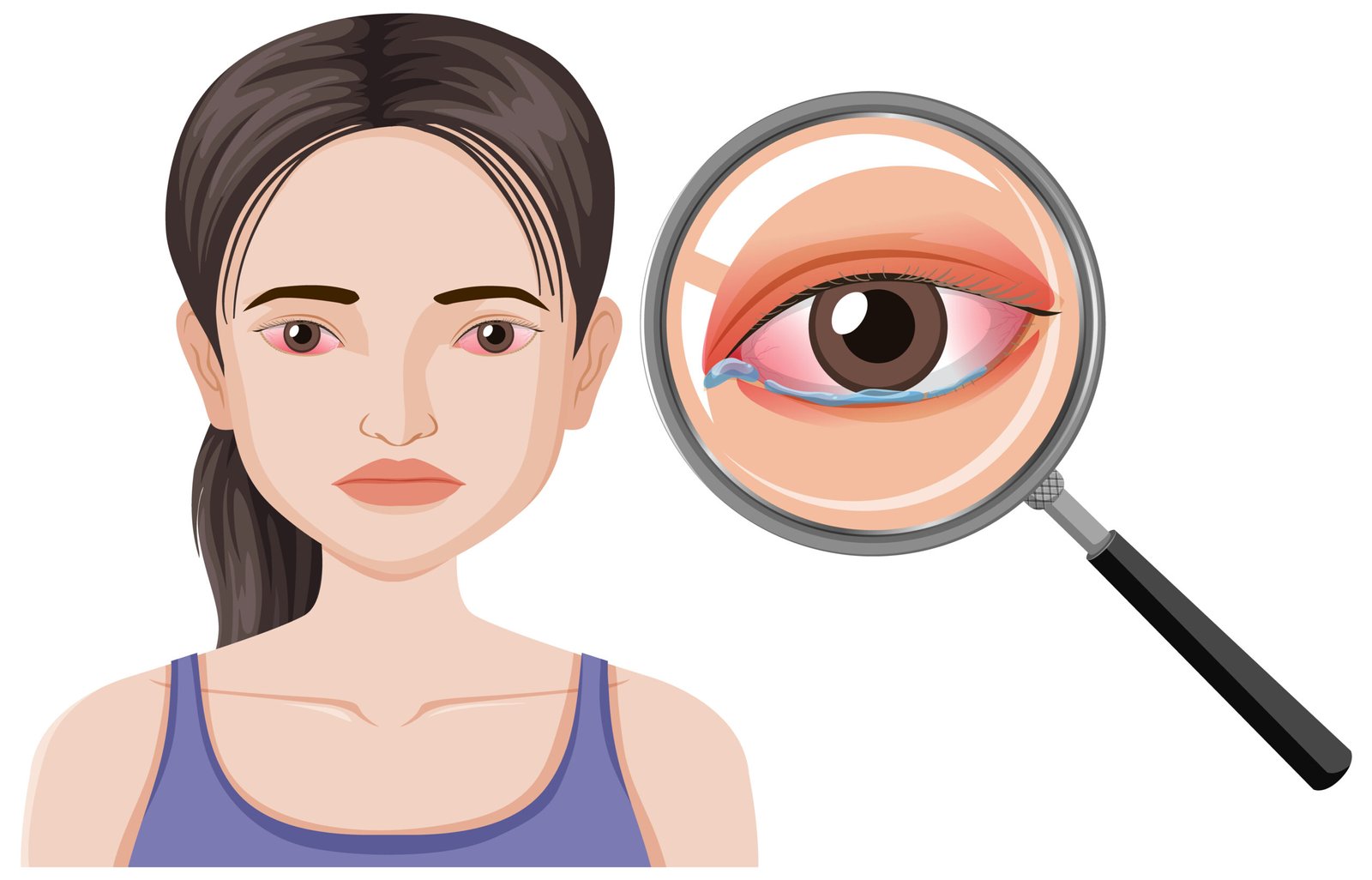
Thyroid Eye Disease affects the tissues around your eyes causing swelling, pain and inflammation. The disease has another popular name as Graves’ Eye Disease. TED (Thyroid Eye Disease) is an inflammatory disease that causes discomfort in your eye tissues. Its cases are mostly categorized as mild but if the case gets worse it can harm your eyelids and eye muscles making it difficult for your eyes to close and move. A variety of other eye problems also occur due to TED. so, it is good to have a combination of therapies to treat it properly.
What is Thyroid Eye Disease?
An inflammatory eye disease that causes swelling, and pain in the tissues around your eyes along with many other symptoms is known as thyroid eye disease (TED). It is categorized as autoimmune disease. But unlike other autoimmune diseases, TED has distinct phases and is not considered a life threatening disease. This autoimmune disease, in fact, affects your thyroid gland. It often occurs in people who are affected by Graves’ disease, therefore, it is also called Graves’s eye disease.
Its common symptom is the inflammation in the tissues located behind your eyes. The disease remains active for two years or more before diminishing the inflammation. During this duration, the symptoms related to disease may change from mild to worse and vice versa. Although it remains mild throughout the duration for some people but for some it becomes severe, causes permanent damage including vision loss and vision changes. Ophthalmologists and eye experts also give this disease some other names, such as:
- Thyroid ophthalmopathy.
- Thyroid orbitopathy.
- Graves’ ophthalmopathy.
- Graves’ orbitopathy.
- Ophthalmopathy.
- Orbitopathy.
Your healthcare provider may suggest you some steroids, artificial tea drops or selenium supplements for the treatment of thyroid eye disease. However, treatment often depends on the cause.
Symptoms of Thyroid Eye Disease
Typical symptoms of thyroid eye disease include:
- Inflamed and swollen eyelids.
- Teary eyes.
- Dry eyes.
- Double vision (diplopia).
- Binge eyes.
- Difficulty moving your eyes.
- Light sensitivity (photophobia).
- Eye irritation.
- Headaches and eye pain.
- Frequent blinking.
Though the disease affects both eyes simultaneously, you may notice symptoms in just one eye. This is because sometimes muscles of one eye are weaker than the other eye’s.
ALSO READ: https://onlinehealthpoint.com/how-to-fill-in-your-eyebrows-like-a-proa-complete-guide-for-beginners/
Complications related to TED
Thyroid eye disease is a harmful condition that not only affects the muscles of the eye but also is associated with many complications like vision changes. However, some of the vision changes may improve after the active phase disease is over. But it doesn’t happen in every case. Just fortunate people can go back to normal after ending the active phase and in most cases the disease gets worse.
In addition, disease causes scarring in eye tissues that prevent healing process in your eye tissues and makes it difficult for the eyes to return to their normal shape. Sometimes, the situation becomes more serious when permanent damage occurs to certain parts of your eyes that affect your vision permanently. However, surgery is the last option as the treatment of such cases.
The appearance changes that last longer due to TED include:
- Redness in eyes.
- Protruding eyes.
- Baggy eyes.
- Eyelid retraction.
The vision changes last for end due to TED, included:
- Permanent vision loss.
- Blurry vision.
- Double vision.
Causes of Thyroid Eye Disease
Studies show that thyroid eye disease occurs when your immune system cells start attacking your own eye tissues. This means it is an autoimmune disease that damages your eye tissues. The condition often occurs due to another condition named as Graves’disease. But research also suggests that some types of autoimmune thyroid disease like Hashimoto’s disease also can cause it. It also can occur in people who have normal thyroid function.
The autoimmune diseases are associated with the production of certain antibodies by your immune system that mimic your thyroid hormones and attach to your thyroid receptors. Although these receptors are usually confined to your thyroid gland but sometimes they are found in the tissues behind your eyes. This means the antibodies that affect your thyroid can also attack your eyes.
Is Hypothyroidism Linked with Thyroid Eye Disease?
Hyperthyroidism is associated more closely to TED than hypothyroidism. Hypothyroidism occurs in a very small percentage of cases of Hashimoto’s disease as compared to a high percentage of Graves’disease cases.
Experts have suggested that people with Graves’s diseases require more time to manage thyroid hormone kernels in their body. They also claimed that during the treatment of Graves’s disease the levels of thyroid hormones often go up and down frequently. So,it is important to have a close monitoring on thyroid hormone levels during the treatment procedure of TED and Graves’ disease.
Moreover, during Graves’s disease diagnosis, healthcare professionals often come across with the symptoms of thyroid eye disease.
What can Trigger Thyroid Eye Disease?
People suffering from Graves’ disease are at higher risk of developing symptoms of thyroid eye disease. Therefore, your healthcare providers tell you to have a close look at the changes in your eyes, especially when you are affected with Graves’ disease. However, studies also show that TED is also a major sign of hyperthyroidism. But in most cases, TED also occurs in people who are living with high, low or even normal range of thyroid levels.
Common signs of TED include:
- Aching or comfort in eyes when looking too wide or upwards.
- Eyelid swelling.
- Sensation of girt in eye, leading to excessive tearing.
- Light sensitivity.
- Visual bulging of eyeballs.
- Changes in vision.
Thyroid Eye Disease Risk Factors
Some factors make it more risky to get affected with thyroid eye disease, such as:
Having imbalanced levels of thyroid levels. High or low levels of thyroid hormones can increase the risk of developing symptoms if TED. because thyroid hormones stimulate the same receptors in your eye tissues that the antibodies do.
Smoking is another cause of increase in risk of TED development. One more important thing is second hand smoking, which is closely linked to TED. Exposure to smoke produced through smoking makes you more likely to develop symptoms of more severe diseases that last longer. Therefore, if you’re affected by TED, it is necessary for you to quit smoking.
Having radio-iodine therapy because RIA therapy is the complicated treatment for overactive thyroid known as hyperthyroidism which further leads to Graves’ disease. It also contributes to TED symptoms development making the situation more complex.
Being a female is also a cause of having a high risk of developing TED symptoms. Studies show that females are more likely to get Graves’ disease and Graves’ eye disease. But it causes more damage than females.
ALSO READ: https://onlinehealthpoint.com/how-to-grow-eyelashes-longer-and-thicker-at-home-naturally/
Diagnosis of TED
Some physical exams and tests help the healthcare providers to diagnose the thyroid diseases clearly. They examine both of your eyes and eyelids thoroughly to become able to diagnose the situation correctly.
If they find any clue about symptoms in your eyes, they further ask for some blood tests to check if your antibodies or thyroid hormone levels are too low or too high.
Specific tests your healthcare provider may ask for include:
- Magnetic resonance imaging (MRI).
- Ultrasound of the eyes.
- Computed tomography (CT).
Management and Treatment
Experts say that the stage of your thyroid eye disease helps to choose which type of treatment will work for you. The doctors also make some estimations about what is the severity of the condition, so that they may recommend the best treatment option for TED treatment. If you’re actively using TED, you need some supportive treatment that can ease your symptoms. These treatment options often include over-the-counter medications, prescription medications, or home remedies. However, after the active phase ends, you may be recommended for vision correction surgery or cosmetic surgery as the only options for TED treatment.
Some examples of supportive treatments for TED include:
Selenium Supplements: These supplements are recommended when healthcare professionals find that the cause of TED in your eyes is the deficiency of selenium.
Corticosteroids: These medications are suggested when the TED symptoms become more severe. These medications help reduce the inflammation in your eye tissues. You can take them in the form of injections or tablets.
Eye Drops: Eye drops are effective remedy for TED when the disease is in active phase. They relieve the symptoms. There are many types of eye drops available in the market that are effective for different types of symptoms like eye pain, redness or dryness.
Teprotumumab: This is the latest addition to TED medication. They are approved for better treatment of thyroid eye disease in the county in 2021. This has been introduced in the medical department as an anti-inflammatory drug that belongs to the biologics category. Many drugs related to this category are under-developed.
Thionamides: People having hyperthyroidism are recommended to use these medications as they help reduce the levels of thyroid hormones. Propylthiouracil and methimazole are its examples.
Scleral Lenses: These lenses are similar to contact lenses and act as a covering of your eye surface. This offers protection from the environmental pollutants and elements. They are also used when medication is applied to the eyes.
Vision Aids: These are special eye glasses or eye patches with prisms. Doctors suggest you to wear them to protect your eyes when thyroid disease is in active phase.
Radiation Therapy: A radiation oncologist may suggest you to have a radiation therapy for TED treatment because this therapy helps reduce inflammation in your eye tissues by killing the immune cells that are active behind your eyes.
However, if all these treatments stop working in your case, your healthcare professional may offer alternative treatment options that may work for you. Some people need eye surgery to treat TED, especially those who have Graves disease. But in most cases the professional team of healthcare providers prefer to consider surgery after you get stabilized. At this stage, they may easily indicate which type of vision changes can affect you permanently.
Surgery Options for the Treatment of TED
Different types of surgery have been recommended for the patients of TED, including:
Orbital Decompression Surgery: When inflammation gets more severe even when it starts compressing your optic nerve, the eye surgeons recommend this surgery. A bone is removed through surgery to reduce the compression. Doctors also prefer to perform this surgery to reduce eye bulging after your condition has stabilized.
Thyroidectomy: This surgery is effective for treating severe hyperthyroidism. When your thyroid hormone levels cannot be controlled through medications, the eye specialists recommend this surgery to remove your thyroid gland.
Eyelid Surgery: Retraction in eyelids needs to reposition them through surgery. This surgery protects your eyes from exposure and improves your comfort.
Eye Muscle Surgery: When your eye muscles get scars, making it difficult for you to move your eyes freely, you might need eye muscle surgery. This surgery also treats the double eye vision due to misalignment in eye muscles.
Oculoplastic Surgery: This surgery is done to adjust the soft bones or tissues around your eyes. It also helps improve cosmetic complications like bags around the eyes or bulging eyes.
Corneal Transplant: Sometimes, the cornea of the eye gets damaged severely due to exposure during the active phase of Graves’ eye disease. Doctors prefer to replace it with a transplant to improve your vision. Then they recommend this surgery.
Outlook/Prognosis
Most symptoms of thyroid eye disease are mild and are resolved on their own. However, old people like people over 50 years old may have severe symptoms. Having serious symptoms of TED means you need a combination of treatments to manage them.
If you have thyroid disease, try to be in contact with your healthcare provider so that they may know the slight change in your eyes as soon as possible.
Conclusion
Thyroid eye disease also known as Graves’ eye disease affects your vision and also quality of life. Although most people do not experience severe symptoms of the disease, it becomes very dangerous when you don’t try to treat the disease. The inflammation in eyes caused by TED affects your comfort and vision. It also has great impacts on your appearance as bulging eyes make you appear odd.
You should contact eye experts to have effective recommendations for the proper treatment of TED.