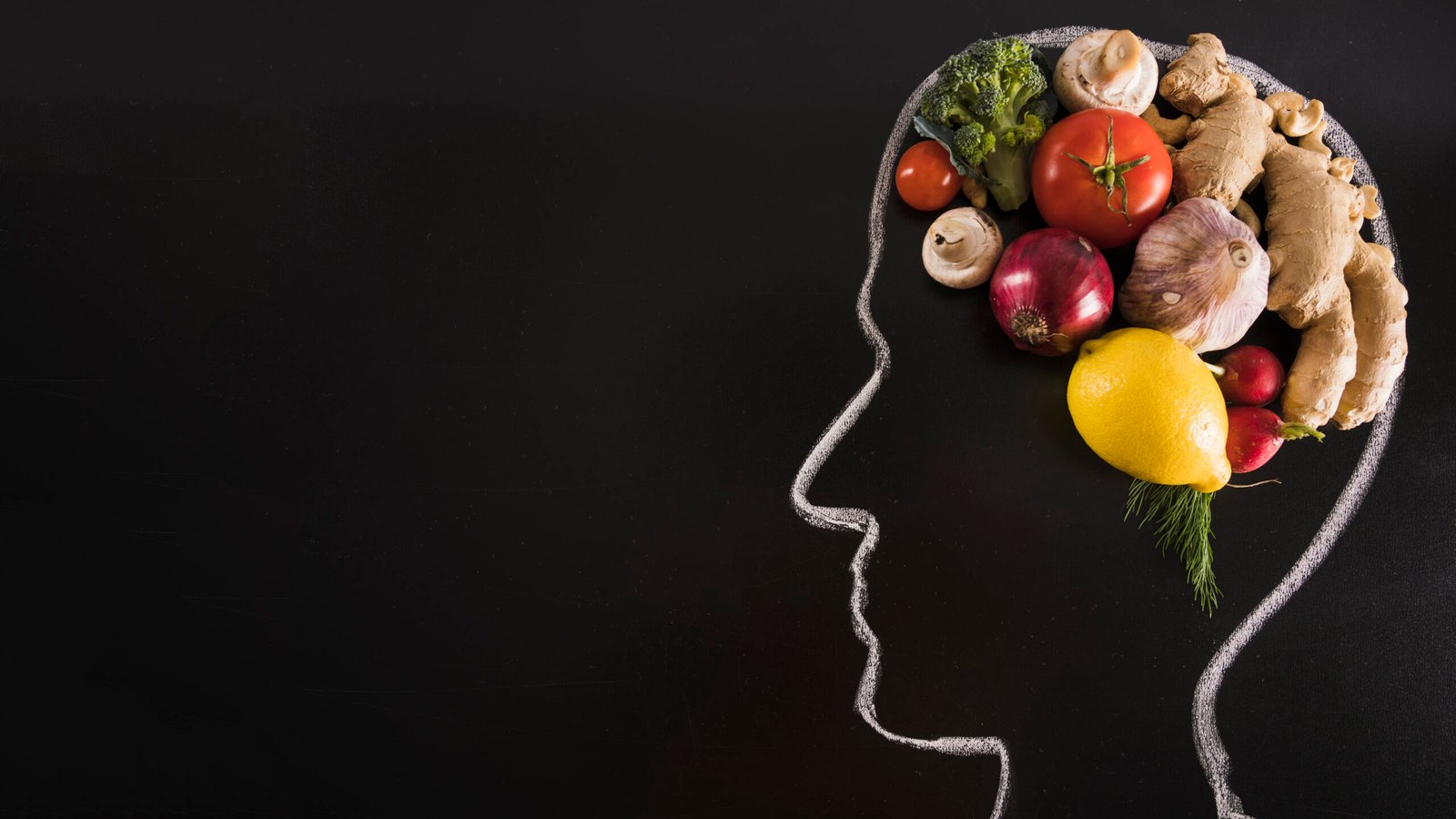
Your gut and brain are closely related. Your eating habits have a great impact on your mental health. Certain foods help boost your mental health. Some of these cause mental health retardation. Therefore, research has explored much to prove that your diet and mental health are interconnected. Eating habits influence your mood and contribute a lot in maintaining a good health and well-being. New research has claimed that diet is not only the source of gaining energy, it also handles several functions occurring in and outside your body and plays a specific role in maintaining your emotional, social and mental health. With the passage of time, dietary-patterns have been recognized as the best way to improve your mental health.
Is there Any Link between Diet and Mental Health?
When you study the old research about treatment of mental health disorders, you may know that medications, counseling and psychiatric therapies were the best methods to treat mental health conditions in the past. But as the time goes on, the emerging field of nutritional psychiatry explores that your food and nutrition affect your mental health to a greater extent. In recent era, medical science has been using diet for supporting and treating mental health functions.
Studies show that your food choices along with your lifestyle affect your brain through the gastrointestinal system. The system is well known with a common name, gut. Gut is closely connected to your brain. Trillions of living microorganisms live in the gut.some of them synthesize neurotransmitters that send impulses to your brain to regulate central bodily functions including mood, emotions, sleep, appetite and pain. The two, gut and brain, interact with each other through an intricate network. Therefore, the gut is also named as the second brain. The relationship is commonly known as gut-brain connection or gut-brain axis.
According to the latest research, the food you eat also affects your gut microbiome. This means your diet influences the health and functioning of the microbes living in your gut that resultantly affect your brain and thus contribute to changes in your mental health.
Which Dietary Patterns are Linked with Improved Mental Health?
A nutrient-dense diet impacts your mood positively. When you eat delicious and nutritious food, it helps regulate your mood. Research has supported the idea that people who eat more fruits and vegetables enjoy improved mental well-being, greater life satisfaction and lower stress levels. Incorporating nutrient-rich food into your diet that is high in healthy fats, protein and fats can help improve your mental approach.
According to a 2023 survey, people usually have a lack of knowledge about diet and mental health relationships. Therefore, they don’t get the right idea from where they should start.
For the people, online health points are suggesting some effective tips. For example, if you have no idea, you can take an initiative by following a Mediterranean-Like diet that not only lowers the risk of depression but also supports your gut health. Eating more fruits and vegetables. Whole grains, healthy fats, with lower quantity of red and processed meat everyday is associated with 15% of lower risk of depressive mood disorders.
Increasing the intake of following into your everyday diet can help you follow a Mediterranean diet:
- Vegetables.
- Fruits.
- legumes.
- Fish.
- Nuts.
- Olive oil.
But the following things should be avoided when you are taking Mediterranean like diet:
- Sweetened beverages.
- Fried foods.
- Baked goods.
- Processed meat.
Foods with high anti-inflammatory ingredients are considered best for improving the connection between your gut and brain. Such foods help reduce inflammation and include:
- Unsaturated fats.
- High fiber foods.
- Fermented food.
- Fruits and vegetables.
Following a pattern according to the Mediterranean diet plan, doesn’t mean you start fighting your cultural diet patterns.
Check out Online Health Point’s guide to healthy eating in real life to get more information about the effects of diet and mental health interactions.
ALSO READ: https://onlinehealthpoint.com/fasting-mimicking-diet-for-easing-ibd-symptoms/
Medications Support Your Mental Health
Common mental health conditions like neurological and psychological conditions including insomnia, depression, bipolar disorder and anxiety disorders usually affect your well-being and impact your life quality. Doctors recommend certain medications to treat these conditions.
Many of these medications interact with other medications or some type of food. Your food choices greatly affect the impact of medications on you. Sometimes food weakens or intensifies the effects of medications.
On the other hand medications also affect your nutritional status. Therefore, doctors suggest that if you’re taking medication to treat a mental health condition, don’t make a drastic change to your diet without consulting your healthcare provider and always prefer using prescription medication.
Some well-known medications causing food-drug interactions include:
- Antidepressants.
- Anticonvulsants.
- Anti-psychosis.
- Sleeping pills.
Top Diet Tips to Support Your Mental Health
These dietary tips can help support your mental health and emotional well-being. Studies suggest that the quality of food taken has a strong effect on your emotional well-being. Trying eating a variety of nutritious foods rather than eating the same thing always can help you improve the relation between your diet and mental health.
Loading up the nutrients noted here can help you achieve your goals:
- Omega -3 Fatty Acids: This nutrient is richly found in salmon, sardines,herring, walnuts, chia seeds and flax seeds.
- Magnesium: This amazing mineral is found in peanuts, almonds, cashews, spinach, black beans, chia seeds and pumpkin.
- B Vitamins: You can add larger quantities of patties, chickpeas, bananas, chicken breast, beef liver, salmon, tuna and clams to gain more of these vitamins.
- Vitamin A: You can add more carrots, sweet potatoes, beef liver, herring and cow milk to your diet for gaining these nutrients.
- Vitamin C: This vitamin is abundant in grapefruit juice, orange juice, broccoli, green and red pepper, and strawberries.
- Iron: This most important mineral is richly found in beef liver, oysters, tofu, lentils, fetid cereals, white beans, spinach and dark chocolate.
- Folate: Brussels sprouts, spinach, asparagus, beef liver, rice, black-eyed peas and fortified cereals are rich sources of folate.
- Zinc: Pumpkin seeds, Alaska king crab, chicken, oysters, lobsters and beef roast have a great quantity of zinc.
Foods High in Prebiotics and Probiotics
Prebiotics are the essential nutrients that provide support to your microbiome living in your gut while probiotics actually are true producers of healthy bacteria in your gut that are essential for your gut health and good digestion of food.
When you eat food high in prebiotics and probiotics it helps at a balanced state of homeostasis in your gut. Research also supports that prebiotics contribute a lot in improving your body’s response to depression and stress.
Foods containing probiotics and probiotics in abundance, include:
- Fruits: Apples and bananas.
- Vegetables: Asparagus and artichokes.
- Grains: Oats and barley.
- Fermented Foods: Kimchi, kombucha, tempeh, yogurt, kefir.
- Alliums: Onion, garlic and leeks.
Eat Variety of Vegetables and Fruits Daily
According to recent research, if you eat plenty of fresh vegetables and fruits daily, you may experience reduced levels of psychological distress and depression along with higher levels of self-efficacy and optimism.
Most useful fruits and veggies for mental health improvement include:
- Bananas.
- Apples.
- Citrus fruits.
- Berries.
- Grapefruit.
- Kiwifruit.
- Dark leafy green vegetables.
- Cucumber.
- Carrots.
- Lettuce.
Fuel Up Yourself with Whole Grains
While grains like oats, wheat, rice and cereals are compact with fiber and important nutrients. Adding them to your daily diet lowers the risk of mental disorders such as psychological distress, anxiety and depression. The fiber rich foods are more nutritious than other refined gratin.
Habits and Food Choices that are Harmful fur your Mental Health
You have learnt in this article that certain types of foods support your men’s health and reduce the risk of many psychological and neurological issues. Surely, there are some foods that are not for your brain health. They not only thunder brain health procedure but also increases the risk of developing several neurological disorders.
Limiting the following foods can help manage mental health disorders:
- Alcohol.
- Excessive caffeine.
- Refined carbohydrates.
- Added sugar.
- Ultra processed foods.
- Saturated fats.
Another factor influences your brain health that is directly linked with your eating habits. Stopping eating for a long period can harm your brain health and function. Eating throughout that day with smaller goals can help re regulate your circadian rhythm and impact your growth of gut microbiome. Your food choices throughout the day also influence the risk of inflammation development in your body.
In addition, low quality sleep i.e. disrupted sleep or short period sleep are also injurious to your brain health. Not getting enough sleep as recommended by these experts is the major cause of occurrence of several brain health conditions like depression, stress and anxiety. Lack of good sleep is associated with your gut health.
How Can You Implement Important Dietary Changes to Support Your Brain Health?
Change is a tough decision because bringing change in anything like your lifestyle, eating habits, sleep routine or exercise regimen is not easy and requires a lot of effort. When you’re living an opposite lifestyle,your efforts should be great.
Here are some tips for you that may help make changes easier when you plan ahead:
Go Easy on Yourself
Making change is not a quick thing. Whenever you try to make a change in your lifestyle or eating habit it takes more time than you estimate. Getting from the starting line to the finishing point will not happen overnight. It will surely happen but after a certain time. So, take it easy and remember that change is a process that continues and furnishes after a specific duration. If you feel bored or stumble during the journey, don’t underestimate yourself. Feeling disconnected to effort is normal. You can take a rest and start it again.
Eat Mindfully
Eating while paying close attention to the taste, texture, appearance and smell of food is mindful eating. The method is an effective tool to improve your mental health through eating. Food also affects your mood. If you experience drasting change in your mood after eating certain foods, stop eating them. And add the foods into your daily diet that influence your mood pleasantly. Ut the food you once had eliminated from your diet routine, should be incorporated once again. To see how you feel now. If the symptoms remain same, leave them but if there will be an improvement, try to add them in your diet routine occasionally to eradicate the sensitivity for them.
Share Food with Your Loved Ones
It is a combination that when you join the company of your friends or family, your mood automatically gets fresh and improved. Eating with loved ones has a similar pleasant impact on your mental health and mood. Food is, no doubt, a primary consideration that is influenced by many factors and stimuli including pleasure and sadness.
Therefore, it is suggested that sharing food with your friends and family is one of the effective methods to brighten your spirit when you feel down.
Start Small
You cannot reinvent your whole over night. You should make small changes one by one so that your gut biome and your brain sensors accept these changes without any resistance. For example, you can start it with adding one piece of a fruit every day or limiting yourself to a certain drink you like the most per week.
Try Swap Certain Foods
Swapping these foods often helps support your brain health:
- Whole fruit instead of juices.
- Whole grain instead of refined grains.
- Fermented dairy instead of sweetened dairy.
- Whole fruits instead of packages or ultra-processed foods.
- Sparkling water instead of soda.
Conclusion
Sometimes it becomes necessary to make changes to your eating habits and food choices because certain foods start affecting your mood and brain health adversely. Diet and mental health affect each other to a greater extent. Therefore, what you eat influences your mood, emotions and thoughts. Similarly, what you think affects your digestive system.
You also have to make changes in your diet to improve your mental health. But making sudden changes without any consultation with a professional healthcare order can harm your gut health and brain function. So, it is good to make small changes by consulting your doctor.