

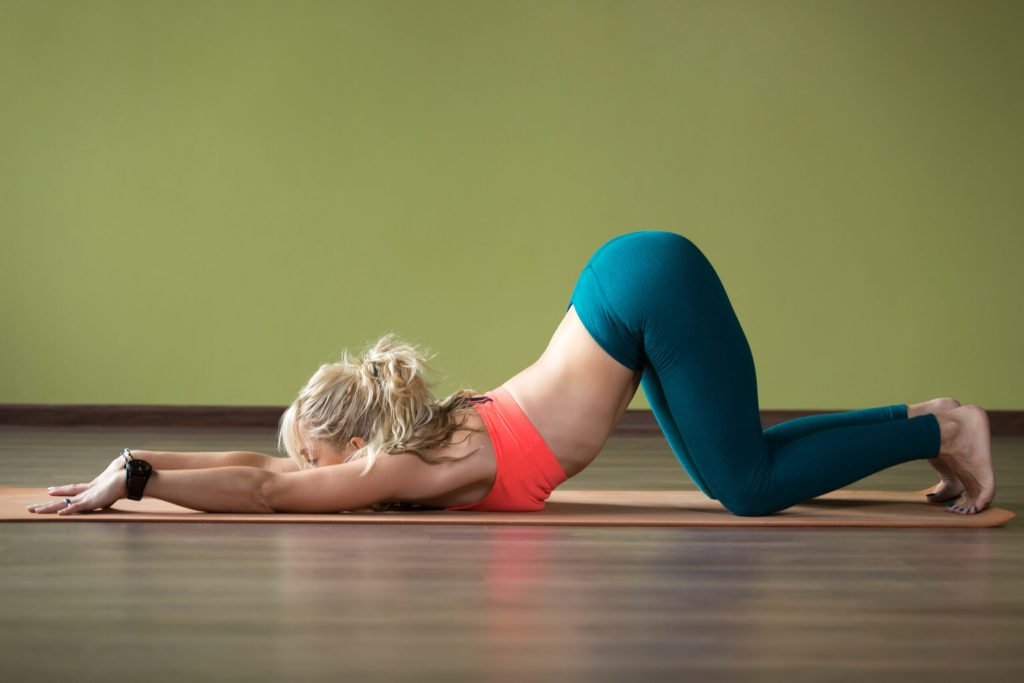
Yoga Butt is not a medical term but it denotes a real pain in the butt if you’re not careful while doing yoga. This is caused by practicing some ancient movement including the posers that leads to injuries in butt. Thus doing yoga is the major cause of injuries in the butt. If you become more specific about it, you may learn that side if the mire frequently performed poses cause the overuse injury in butt.
However, what’s good about it, it is not complicated generally. Studies also confirm that it is caused due to the weakness of muscles in the posterior chain muscles. The three basic gluteal muscles including gluteus maximus, medius, and minimus, are collectively called posterior chain. This area becomes painful or nagging due to tough yoga poses and causes yoga butt. As a yogi, the strong backside is essential for you. You can avoid this uncomfortable condition by following the tips given in this article.
So, read on to find out more about causes and symptoms of yoga butt along with the ways to make your butt go away.
What are the Common Signs of Yoga Butt?
You may relate some of these:
- Pinching at the front of your hips.
- Stabbing sensations in your buttocks.
- Chronic lower back tightness.
- Stiffness in your hips while sitting.
These signs indicate that there’s a problem in your posterior chain muscles. Weakening of posterior chain muscles contribute to pain in lower back, hip, knee and pelvic floor muscles. Yogis or physical trainers often experience these pains.
What is Yoga Butt?
Proximal hamstring tendinopathy is a technical condition that is recognized as an inflammation or irritation of hamstring tendons at their site of attachment which is known as the sitting bone (ischial tuberosity).
According to research, injuries, sudden tear or sprain can also cause acute injury in the extensions. Thus, it is a well-known chronic condition that happens over time.
Causes of Injuries
When you get familiar with yoga practices, you may find that a major effective gator for the perfect yoga is doing certain poses repeatedly that also require an extended range of motion in hip flexion.
This may include:
- Splits.
- Deep forward fold.
- Any pose where the foot is put behind the head.
- Compass pose.
Tendons are less flexible tissues that have limited amounts of elasticity. Therefore, these kinds of pauses cause overstretching in tendons leading to irritation.
According to physical therapy department research, certain poses include high hamstring and deep gluteal strains that are extremely common in people who are used to doing these poses with hip rotation or single-leg stance. So, these movements increase the demand for knee or hip stabilization. This may include the entire glute complex, deep hip rotor and hamstring muscles that are working together.
But any lack of efficiency in the working of any of these factors due to weakness or pain can set off symptoms in other areas. The final thought exposed that yoga noises have no contribution in strengthening the hamstring. Instead, combination of frequent and extreme stretching sometimes exacerbates the problems as a cause of decrease in load tolerance and overall function of butt mushers.
This explanation clears that hamstring tendinopathy (yoga butt) is not caused by inverse injury, but happens due to under-loading issues.
How to Know about Injury?
Pain and dysfunction in butt is often associated with the yoga butt. Experienced yogis openly recognize the signs and symptoms. Common symptoms include severe deep ache on the glute, at the sit bone where the hamstring enters or just below the glute. You may experience it as a mild shrinkage or tight muscle.
In addition, sometimes, you may feel a deep-knot-like feeling in piriformis muscles that can be manifested as sciatic pain, numbness, or tingling throughout the leg.
However, during yoga, it causes pain during hip flexion while doing these poses:
- Big toe pose.
- Forward fold.
- Happy baby.
- Lunge.
Healing Tips
Attractive yoga is associated with many physical and mental benefits. According to studies major benefits linked with yoga poses include:
- Enhanced flexibility.
- Reduced stress.
- Increased stamina and strength.
- Reduced lower back pain.
- improved energy levels.
- Therefore, it is good to heal this injury as so as possible.
A cycle of flare-ups concur when people get troubled by yoga butt. The flare-ups come and go on their own. Taking rest during wrist pain is recommended. You can control the pain severity by avoiding pain-causing movements or positions that may trigger the symptoms,wearing a compression wrap around upright to lessen the strain on the hamstring and its endings or modifying yoga poses.
However, if you want to heal the yoga butt for longer, you first subside inflammation. You can start with loading the tissues. This can help you get stronger and develop your muscles greatly. So that they may tolerate stress and make improvements in overall function and capacity. This memes by building strength in tendons and muscles you can try a variety of yoga poses within wider planes of motion.
Research supports had isometric holds is best for it. In addition, having analgesic pain killers is also accessible to most people. Once symptoms get manageable, you can progress to more challenging poses and movements like plyometrics and eccentrics with increasing load. Cinnamon examples are dead-lifts and weighted squats.
The issue will improve slowly, so keep your expectations real and be patient while taking steps for healing yoga butt.
Tips to Treat Yoga Butt
Here are some effective ways that may help you avoid severe pain in leg and pelvic regions caused by yoga poses.
Rest
When you push yourself too far in forward folds, practice without an adequate warm-up, or fold too often, you become more prone to this pain in the rear. This overuse injury needs proper bed rest to get healed. Muscles get more blood flow than tendons, therefore, healing in tendons is slower than muscles. Tension healing takes much time. Even severe injuries to tendons take several months to heal.
However, doing some gentle hamstring exercises like hop lifts or bridge pose can help improve blood flow and strength. You also can try isometric exercises as a treatment option by pulling your heels towards your shoulders or by elevating your feet on yoga blocks.
Avoid Deep Hamstring Stretches
After resting for a few weeks,you can return to your practice slowly. As initiative poses, bend your knees gently in forward fields.
However, if you still feel it is difficult, back off immediately. Consider it as an opportunity to practice self-restraint, non-violence, and restrictive yoga. If you experience pain on the sides of hips, two muscles, gluteus medius and gluteus minimus are hurt. These muscles contribute greatly in maintaining lateral stability of your pelvic region as you move through your gait cycle.
In addition, the stretches also help prevent too many side sways, when you run or walk.
Strengthen Your Hip Muscles
Lateral stability of hip muscles is required for making the muscles string and reduce the lower back pain. But when these muscles become cranky different issues including lack of lateral stability, joint pain and lower back pain occur.
Try targeted yoga pieces for strengthening the gluteus medius and gluteus minimus for avoiding hip pain.
In addition, these muscles also can be strengthened with two distinct groups of exercises, including:
Using your muscles in stabilizing capacity: for this exercise, you need a yoga block to stand on it with one leg. If you like, use a wall fir support. Manage your workouts and hands on the same level by bringing your hands to the frontal hip points and make it sure that they are parallel. Challenge your stabilizing muscles by swinging your leg back and forth for 15 to 20 minutes for strengthening leg and hip muscles. Standing on one leg will make you feel the strengthening of other side muscles and vice versa.
Another thing you can do is to go to a kneeling position by sliding your left leg back and rotating your torso to face the left. But make it sure that your right hip should be over your right knee. Your right shoulder should be over your right wrist than swimming your right foot behind you fir a wide bae of support.
Now, it’s the time to challenge your glute medius and minimus by lifting your leg parallel to the floor.
But lack of stability in the pelvis often leads to sacroiliac pain. Sacroiliac joints are the points where our sacrum meets with your ilia. Two degrees of movement is possible here. But making more than it movement can cause injury.
Moreover, sacrum and ilium sometimes do not line up and become stuck out of alignment leading to a severe pain as yoga butt. The pain causes a pinchy feeling but sometimes gets reduced or felt more on one side than the other. This pain also continues to the buttocks, legs and lower back. Its diagnosis is usually difficult. It also requires guidance from a physiotherapist or physician for proper treatment.
Gentle Stretching and Pose Modification
The pain often can be resolved with gentle stretching. But stretching also increases the risk of tissue tension. So, I always do gentle stretches. For example, you might try a light figure 4 stretch with a rocking movement side-to-side instead of pigeon pose.
Myofascial Release (MFR)
This technique is applied by using a soft foam roller to suit on. You can also replace foam roller with a myofascial release ball. Tilt on the buttock of the painful side and keep rolling up and down. Make smaller movements and keep staying on meaty areas instead of bones. Gentle rocking side-to-side can help you move. This may help you increase tissue glide and blood circulation, preventing breaking up of scar tissue. Go slowly and gently.
In addition, static yoga butt often occurs due to disc misalignment in the lower back. A herniated or slipped disc usually compresses the sciatic nerve causing a hit, burning and radiating pain. If gentle stretching doesn’t help, consider medical assistance from a professional doctor or physiotherapist. Sometimes, an injury in the lower back can also cause backside pain.
Alternative Poses
Injuries in lower back or vertebrae, or muscles in leg or hip cause yoga butt. Some poses aggravate the injuries. Therefore, it is good to avoid such exercises and yoga poses. Contact a professional yoga instructor to help you modify poses when you feel some of them are causing harm to your hip, leg or back muscles.
Here are a few yoga poses that you can practice as alternatives to your usual ones. So that you may continue your yoga practice.
Bridge Pose
This is an excellent poise that activates symmetrical glute without causing an unusual length in hamstring position. This also joggers activation of these muscles without aggravating those that are irritated.
Modified Tree Pose
You can modify common tree pose by placing your foot on the calf. It is easier than placing your foot on your hip. This easier dose helps you maintain the balance and allows better recruitment of the glutes for hip stabilization as well. It also avoids triggers like over-compression of piriformis or hamstrung.
Prevention
- Additional tips to prevent yoga butt injury, include:
- Focus on engaging your quads in forward folds.
- Avoid overstretching with preferring hamstring-openers.
- Keep your knees bent.
- Use blocks under your hands to keep from hanging out on your joints.
Conclusion
Yogis often experience yoga butts. This is a high hamstring pain that causes irritation and discomfort. You can avoid this condition by skipping or modifying certain poses that aggravate the injury and pain.
Incorporating strengthening and balancing exercises into your workout routine can help avoid injuries in affected areas. It also helps prevent yoga butt. However, when you don’t get help from any of the mentioned tips, it is better to talk to a professional yoga instructor or a physical therapist.