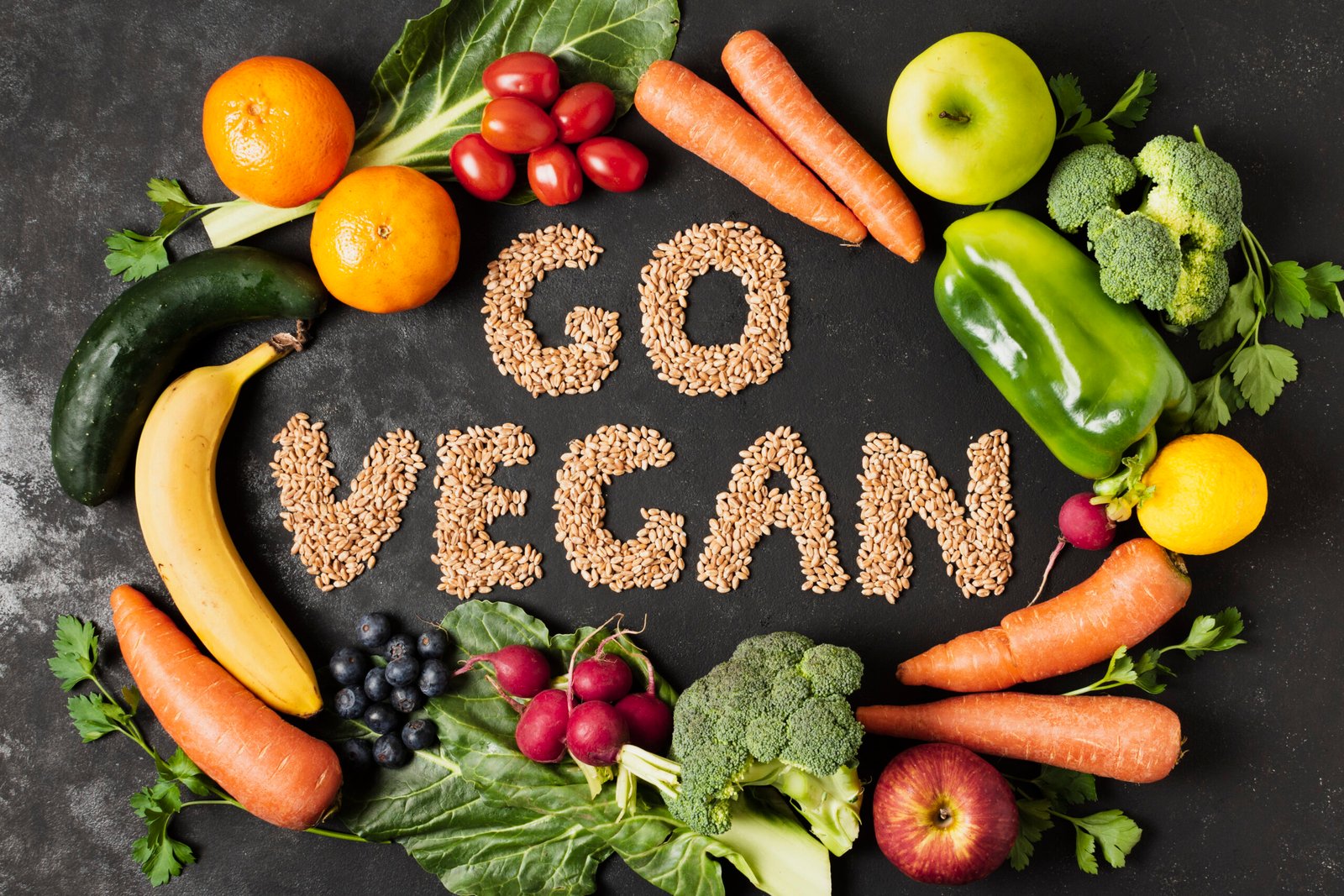
The stricter form of vegetarianism is known as Veganism. The Veganism theory is based on excluding animal products altogether from your diet. Veganism is omitting animal-based products for environmental, health or ethical concerns. This means you can’t eat anything that comes from animals. You can’t eat dairy products, meat, eggs, honey, and seafood. Taking all of your nutrients from a plant-based diet means you just eat vegetables, fruits, grains, nuts, beans and seeds. But you need to ensure that you are eating a varied diet full of lots of minerals and vitamins so that your diet may be nutritionally balanced. This means Veganism introduces you to a variety of plant-based foods which are rich in calcium, iron, protein, vitamins and omega-3 fatty acids.
So it is important to learn that from where you can find the essential and non-essential nutrients being a vegan.
For your convenience, some important nutrients with sources are discussed in this article.
Protein: It is necessary for the proper growth of muscles, bones, skin and organs. As a follower of veganism, you should ensure that your diet has a lot of protein resources. If you think dairy products, meat and eggs are the only source to obtain protein, you’re not right. As a vegan, you can eat beans, tofu, chickpeas, peanuts, lentils as alternatives to those protein sources that are animal-based.
Calcium: This mineral is essential for the strength and development of your teeth and bones. Although dairy products are the great source of calcium, there are also plenty of non-dairy sources that are available for vegans. You can eat almonds, dried figs, plant-based milks, spring greens, okra, tofu, kale, chia seeds and pak choi to fulfill your calcium needs.
Iron: This is crucial for the formation of hemoglobin found in your red blood cells. Hemoglobin is a specific protein that carries oxygen throughout your body. As a vegan, you can gain iron in the form of hemp seeds, pumpkin seeds, raisins, fortified breakfast cereals, chia seeds, ground linseed, kale, dried figs and apricots and quinoa. However, absorption of iron in your body needs the assistance of vitamin C. So remember eating vitamin C products for better absorption of iron in your body.
Vitamin B12: Production of healthy red blood cells depends on the availability of vitamin B12. It is usually found in animal products like red meat but vegetarians can get it from some fortified foods such as soy milk, yeast extracts and cereals.
Omega-03 Fatty Acids: They are crucial for the better health of your heart and brain. Although omega-3 fatty acids are richly present in seafood, as a vegan you can get it from some oils such as canola, chia seeds, hemp seeds and walnuts.
Keep on reading to find out more about veganism and foods to eat and to avoid as a vegan.
What is Veganism?
If you talk about an exact definition, veganism is the lifestyle, where people avoid almost all forms of animal-based food products. In this way people usually avoid cruelty and exploitation.
According to studies, veganism is the refraining from eating meat, not eating dairy products, eggs or any other products coming from animal origin. The term “vegan” was first introduced in 19th century. It is the altered form of the word vegetarian. But till the present time it has become a philosophy and way of living which teaches people to live their life excluding, as far as possible, all forms of cruelty to animals for food, clothing or other benefits. To be a true follower of veganism, people also avoid using and purchasing clothes, furniture, bedding and other articles made of wool, leather or animal skin.
However, nowadays, people use the term vegan or veganism to refer to their diet type. This means they tend to follow plant-based diets.
Top Reasons for which People Go Vegan
Here are some important and well-suited reasons for which people choose to avoid animal products.
Environmental Causes
People often avoid using animal products when they want to limit their environmental impacts. As studies show that animal activities in agriculture and industry are becoming the source of increase in the percentage of greenhouse gas emission leading to abrupt change in climate. People start thinking to avoid eating meat. Because animals like goats, cattle and sheep usually emit a larger amount of greenhouse gases in order to produce protein. That;’s why stopping eating them will help decrease the production of greenhouse gases.
A 2021 study has suggested that vegetarian diets produce less amount of GHGEs than meat-containing diets. Thus vegan diets have a smaller environmental impact than non-vegan diets.
Another fact is that a larger proportion of plant proteins are used to feed animals than humans. This means, production of animal products by feeding them all resources of food actually uses more resources of earth while production of plant-based diets is easier and uses less of earth’s resources. For example, production of animal-based protein like meat, dairy products or eggs etc needs 15 times more land as compared to producing the same amount of soybean protein through plants.
Moreover, animal protein requires three times more water to be produced as compared to plant protein.
Ethical Logics
Some vegans adopt veganism on an ethical basis. They believe that all creatures on this earth have the right to live a free and independent life without any fear of being caught and slaughtered for certain purposes. In their point of view, all animals like buffalo, cow, goat and sheep are conscious like humans and they are also afraid of pain and suffering. That’s why, ethical vegans think that it is a cruelty to kill animals in order to eat their flesh and use their skin for making goods.
They are also against the pressure and stress that animals bear while they are used for farming and weight loading purposes. They think that it is not according to theories of justice to keep animals in small cages for bringing them up for slaughter in future.
This shows that for ethical vegans the sense of cruelty has been extended from food to modern farming practices. This is because vegans oppose consuming food products coming from animals, especially when their alternatives are easily available. They believe that slaughtering of calves for meat or culling a one-day old chick as an egg is the extreme cruelty that animals are bearing for centuries.
Moreover, they think that humans exploit the animals for getting some goods for their daily use. According to vegans, humans use the food, fur, and skin of animals without their permission.
That’s the reason, ethical vegans also avoid drinking animal’s milk, eating eggs, and wearing woolen clothes.
Health
A vegan diet is a potential source of good health. Studies show that a diet high in meat is dense with protein that ultimately leads to certain diseases like cancer, type 2 diabetes or heart disease. But in cases of plant-based diets, the risk of many diseases gets lower.
According to studies, people dying with diseases linked with animal food is greater than those who eat plant-based foods. Researchers have proved it after experimentation that the risk of developing Alzheimer’s disease can be reduced and digestion can be improved by eating plant-based food options.
In addition, plant-based diets also help in reducing side effects associated with consumption of artificial hormones and antibiotics to enhance the production of animal-based products in animals including agriculture and food industry.
Moreover, vegan diets also help lose weight. These diets help you get rid of unwanted weight. Studies show that vegans diets are closely linked with the lower likelihood of obesity.
However, before switching to a vegan diet, make a proper plan so that you can consume less of certain nutrients. This means you should have a detailed talk with your professional nutritionist to plan a vegetarian diet that may help you get the correct amount of nutrients according to your body’s needs.
These nutrients are found in low amount in a vegan diet, so it is important to learn:
- Calcium.
- Zinc.
- Iodine.
- Selenium.
- Vitamin D.
- Vitamin B12.
If you are a vegan, you may need to take some supplements to make up for the deficiency of such nutrients.
Types of Veganism
It is a point to be noted carefully that it is not necessary that all vegan diets assure a healthy life. The quantity of food and the amount of all essential and non-essential nutrients present in it decides whether it is suitable for you or not. Thus some vegan diets surely are beneficial for health but some are not suitable for health.
Here are some categories of vegan diets that are studied through clinical analysis over the last decade:
Dietary Vegans: The other name of this diet is “plant-based eaters”. It refers to those who completely oppose animal products. They never eat animal food but use the animal products in the forms like cosmetics and clothing.
Whole-Food Vegans: They like to have a diet rich in whole foods including seeds, whole grains, nuts, legumes, fruits and vegetables.
Junk-Food Vegans: These individuals prefer to have heavily processed foods such as fries, vegan meats, desserts like nondairy ice cream and some types of frozen foods.
Raw Food Vegans: These people prefer to eat food that is usually raw or cooked at very low temperature such as at 50 degree Celsius.
Low Fat Raw Food Vegans: They are called as fruitarians because they avoid eating high fat foods including nuts, coconuts, avocado but just rely on fruit for their nutrients. However, they occasionally eat small amounts of other plant products.
Although whole-food vegan diets are considered best for your health benefits, it is better to speak with a healthcare provider before switching them on.
Foods that Vegans Prefer to Eat
Some essential foods for vegans include:
Soy Products: It includes soya beans, soy milk and the products manufactured from them like natto, tofu and tempeh.
Peas, Beans and Lentils: Different types of lentils and beans including white, black, kidney, black-eyed beans, split peas, chick peas, and red, brown or green lentils are some examples.
Seeds: Sunflower seeds, sesame seeds, hemp seeds, chia seeds, flaxseeds and their butter are included in it.
Nuts: Cashew, peanuts, almonds and their oils and butters.
Starchy Vegetables: This type include squash, turnips, potatoes, sweet potatoes, and corn.
Non-Starchy Vegetables: Frozen, pureed, dried or raw cabbage, leafy greens, broccoli, and radishes.
Fruit: Canned, fresh, frozen, pureed or droid bananas, pineapple, mango, tangerines, oranges, apples, berries and pears.
Whole Grains: Include whole wheat, whole grain wild or brown rice, oats, quinoa and the products made of these grains such as past, bread and crackers.
Other Plant-Based Foods: Such as yogurts, fortified plant milks, algae, maple syrup, and nutritional yeast.
In addition, adding the mentioned food in your diet, you can swap meat-based main dishes with the dishes containing seeds, nuts, tofu, lentils, beans, tempeh and peas.
Moreover, replacing dairy products with plant milks, honey with plant-based sweaters like molasses, raw egg with chia seeds can also help you switch to veganism. Ready-made vegan products such as vegan cheeses, vegan meats and vegan desserts are also good choices for you if you want to follow a vegan diet. However, make it sure that these foods are being taken in moderation because these may be highly processed often.
Foods that You Should Avoid as a Vegan
You cannot eat the foods coming from animal origin, like:
Fish and meat: Including shellfish, chicken, beef and duck.
Eggs: Whole eggs or foods containing them like bakery items.
Dairy: Milk and predictions extracted or made from it like cream, butter, and cheese.
Other Animal-Based Products: Like albumin, whey, pepsin, casein, honey, and gelatin.
Whenever you go to purchase food that doesn’t contain any animal origin ingredient, check the label.
Conclusion
Some ethical, environmental and health concerns make some people avoid animal products as food. Veganism compels people to replace all animal-origin foods with plant-based foods. For example, vegans usually replace meat, dairy and eggs with whale grains, fruits, and vegetables. Legumes, fortified products, nuts and seeds.
If you think transitioning to a vegan diet is easier, you’re not absolutely right. It needs additional nutritional knowledge. So, it is recommended to seek advice from a professional certified dietitian before switching.