
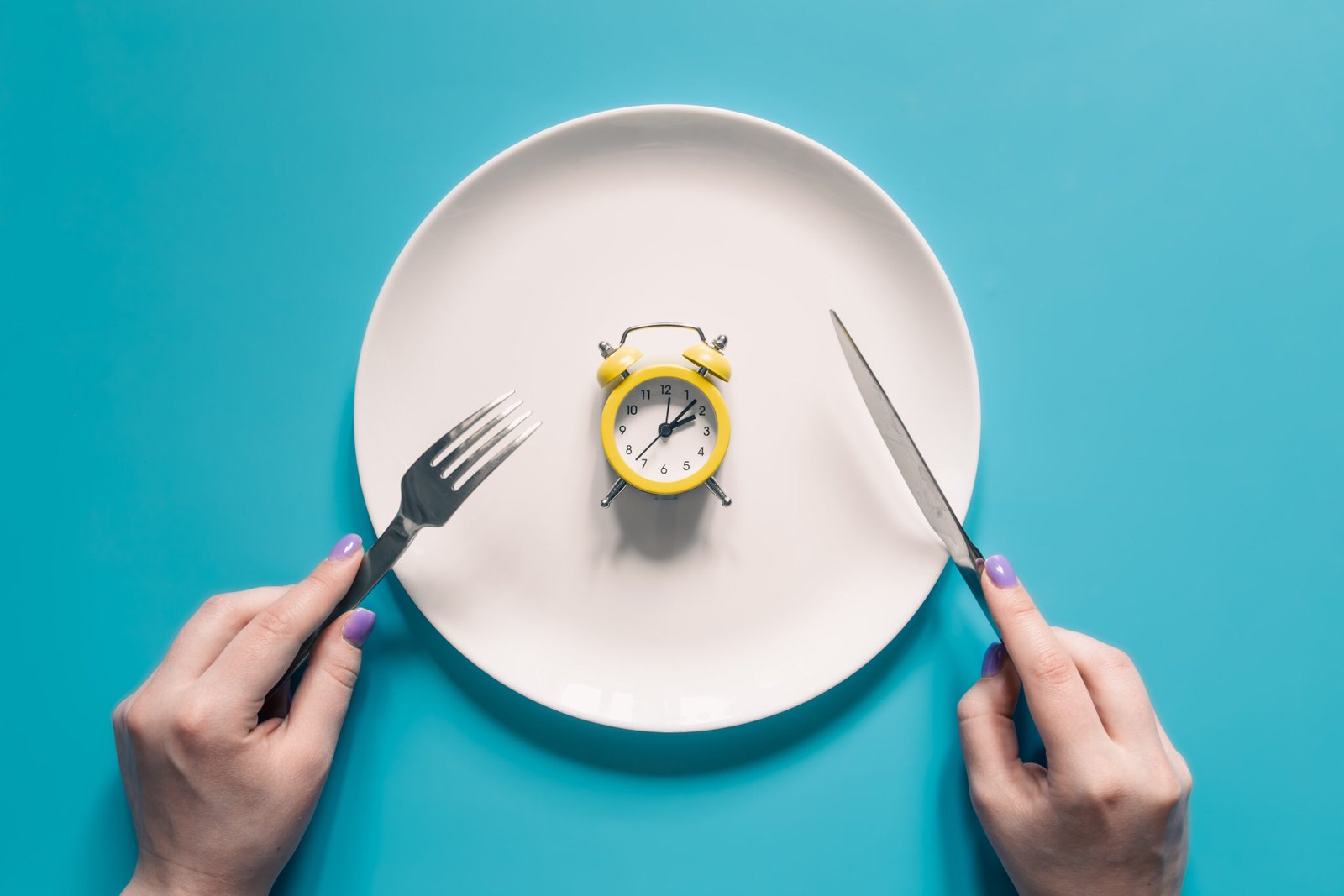
Do you know that Circadian Rhythm is not only about your sleep-wake cycle, it is actually a 24-hour cycle that involves your physical, behavioral and mental changes. The emerging research has declared that meal timing also influences your metabolism, weight management, disease risks and energy levels. This means meal time is closely linked with your metabolism, hormones levels and body temperature. Circadian rhythm also makes you alert about what is going to happen next and prepare you for it. The cycle is controlled by intense clocks of your body that are stimulated by light exposure. Chrononutrition is actually managing your eating times according to your circadian rhythm. This helps you make good choices about the eating patterns and eating times beyond what and how much you eat.
The article will help you understand how your circadian rhythm and time of eating food are co-related and how they help you schedule your meal plans.
What is Chrononutrition?
When you observe the effects of frequency, regularity and especially timing of eating on your health, you also go through the interaction of your eating times with your circadian rhythm. The inter-related concept of eating and circadian rhythm is known as chrononutrition.
Basic factors that help define Chrononutrition:
- Timing of food means it is important when you eat food, time matters a lot.
- Frequency of eating meals. It also martyrs about how often you eat food and snacks.
- Consistency of taking meal. This factor helps predict your eating patterns every day.
These factors help you understand that chrononutrition doesn’t take in account slowly nutrients and calories, it focuses when you eat and how your eating timing synchronizes with your biological clock.
Therefore, you have to understand the relation between biological rhythms and physiology that has roots in chronobiology. If you want to learn more about it, keep on reading!
Where Does Nutrition Come into It?
Many science baked researches have shown that food, metabolism and meal timing all affect your internal body clock. Similarly, circadian rhythm also interacts with many functions of your body, such metabolism, hunger and digestion of food.
Therefore, the relation between your body clock and eating meal has bidirectional path.
Circadian rhythm influences the way you handle food at different times of the day and eating helps regulate your body clock.
In addition, researchers are also trying to find out about the effects of fasting, regular eating and restricting on what you eat and how your body digests it on your internal clock and circadian rhythm.
Let’s dip our tissues into the ongoing research to find out more about chrononutrition!
How Nutrition is Associated with Circadian Rhythm?
A 24-hour cycle that is driven and controlled by an internal clock managed by your brain is called circadian rhythm. Your rain operates these rhythms through two tools i.e. The central clock works in your brain and the peripheral clock impacts your organs.
Although the title of circadian rhythm is not unfamiliar to you, you may think it is so okay about your sleep. The fact is your body’s clocks including circadian rhythm regulate many functions of your body including digestion of food, hormone release and metabolism. Therefore, your time of eating directly affects your central clock. When you sweat at times that align with your circadian rhythm, you easily control your metabolism, hormone release and energy expenditure throughout the day.
While disrupting the rhythm by eating irregularly or late at night interferes with your crucial buddy functions and creates health problems.
Many studies have shown that several cardio-metabolic diseases result after eating at irregular times, especially night time eating and late night eating.
What are the Effects of Chrononutrition on Your Metabolism?
Time of good intake directly affects your body functions and metabolic, biochemical processes in different ways including:
Morning Sensitivity
Early in the morning, when you wake you, your body in the form of handling carbohydrates more efficiently. It happens because in the morning, glucose tolerance and insulin sensitivity tend to be higher as compared to late nighttime.
Late Meals
Late night eating causes severe damage to your metabolic activities. Eating close to bedtime increases the risk of accumulation of fat due to lower insulin sensitivity at night.
Therefore, experts suggest that eating late at night always causes cardio-metabolic doses including diabetes, high blood pressures, obesity and heart disease.
Regular Meal Taking
Consistent and regular meals,taking timings helps coordinate your metabolic patterns with peripheral clocks. Your vital organs such as pancreas and liver take part in this activity. However, eating irregularly,often causes metabolic stress and misalignment of circadian rhythms.
Benefits of Chrononutrition
Research is ongoing to find out more links between your overall health and chrononutrition, so if known benefits are:
Maintaining of Bodyweight
Daily eating windows and meal timings tend to affect your energy balance. Studies show that meal timing influences your clocks even if you don’t change calorie intake. But it is proved through research that shorter eating and early eating windows are closely linked with better weight management.
Blood Sugar Regulation
Your glucose metabolism and insulin sensitivity can be improved if you eat earlier in the day. While many studies have shown that nighttime eating increases glucose than daytime eating. This habit can increase the risk of developing type 2diabetes.
Cardio-metabolic Health
When you do shift work and eat late at night, your circadian rhythm gets disrupted.The disruption causes increased risk for cardio-metabolic disorders such a type 2 diabetes, obesity and high blood pressure.
How to Implement Chrononutrition?
If you want to apply chronic nutrition principles, practice these things:
Establish Regular Meal Times
Eating meals at regular and fixed times help support circadian synchronization leading to improved health.
Consider Earlier Main Meals
Try eating large meals earlier in the day as it aligns with your high metabolic rate and also supports blood sugar levels.
Limit Late-Night Eating
As eating early in the morning helps improve health, usually eating late at night increases the disruption in metabolic activity. So, finishing eating several hours before sleeping can help maintain insulin sensitivity and metabolic health.
Why Nighttime Eating Matters a lot?
consuming food at night especially near bedtime causes reducing glucose tolerance leading to reduced melatonin leaks and at the same time insulin response gets exaggerated.
Many controlled laboratory studies have shown that late night eating could impair glucose handling during biological forces at night that contributes a lot to higher nocturnal glucose excursions.
Another factor is, metabolic effectiveness and digestion efficiency also weakens at night. Gastric activity also becomes slower at night due to decline in lipid oxidation levels that helps decay the transition to overnight metabolization. Certain randomized analytical studies found that late-night eating increases blood glucose levels, reduces dietary fatty acid oxidation and fatty acid mobilization along with delay in triglyceride peaks. But it doesn’t alter your sleep architecture. Therefore, people following chrononutrition are found experiencing these effects.
In addition, cortisol gets lower at night naturally, but when you eat dinner late at night your cortisol releases a large amount.
Best Foods to Eat at Night
Whenever you feel hunger late at night or cravings free you to put something in your stomach, prefer fiber-rich vegetables, fruits and legumes because they promote steady glucose absorption, enhance saturation, and minimize two-hour post-meal glycemic spiking. Legumes are rich in carbohydrates, protein, and soluble fiber with a low glycemic index along with reduced low-density lipoprotein levels leading to improved cellular insulin response. Magnesium combined with fermented fibers help support healthy gut microbes and promote cardio-metabolic benefits.
Strides show that fermented dairy products, fish and tofu are low-GI proteins that help stabilize evening glucose responses. They also practice a precursor to melatonin and serotonin along with tryptophan. All these neurotransmitters help regulate your sleep and appetite. If you add some tryptophan-rich foods to budget, take in seeds, nuts, soy products and whole grains. They not only increase the availability of neural messengers but also support healthy sleep.
You can obtain a large amount of elation from foods like kiwifruit, tomatoes, cherries and walnuts. These foods not only alter your sleep onset , also promote neuromuscular relaxation providing support for your parasympathetic activation. Similarly, magnesium rich foods such as prey greens, seeds and nuts are also complemented with evening physiological wind-down.
Last but not least, caffeine-free herbal teas, peppermint with chamomile and hibiscus help facilitate relaxation through antioxidant, and digestive effects. Moreover, passionflower, lavender, valerian and lemon balm also help sleep quality.
Consistent Eating Windows
Eating within a defined daily window like after the gap of 8-10 hours can benefit you. Optimal windows vary person to person according to their lifestyle and energy needs.
How Chorononutrition Affects Cardio-Metabolic Health?
Late night eating increases the risk of type 2 diabetes mellitus. Studies also show that consistency with glucose metabolism according to circadian regulation helps improve glucose tolerance. But ignoring these factors causes circadian misalignment.
After this, the combined effect of sleep restriction and circadian misalignment cause reduced peripheral insulin levels and increased inflammation.
In addition, meal timings also affect your eating behaviors. For example, if you consume most of our energy after 08:00 pm, you’re more likely to consume alcohol and fat that increase the risk of type 2 diabetes mellitus.
Other observational studies show a relation between eating patterns and metabolic syndrome.
The studies also show that longer eating duration and later last-meal timing were highly associated with increased risk of elevated fating sugar. leptin-ghrelin are the neurotransmitters that control hunger and satiety. When your circadian rhythm gets imbalanced the feeling of fullness gets reduced leading to increase in hunger. Thus you gain weight abruptly regardless of calorie intake. According to studies, it is proved through experimentation on animals and humans that calorie intake during biological rest phase changes the direction of metabolic processes. They shift towards a greater concentration of lipid deposition as compared with active phase.
In addition, delay in meals intake also causes problems. For example, one hour delay on the first meal of the day increases the risk of cardiovascular disease. The effects of delicate eating are more serious in women than men.
Similarly, time-restricted eating in early meals helps improve insulin responsiveness, enhance energy expenditure throughout the day and speedup fat oxidation. A comparative study between early and late eating patterns exposes that eating healthy and larger meals early in the morning promotes B-cell function and lower the glucose levels.
Is Chrononutrition Right for You?
Chrononutrition is not a calorie counting diet. It doesn’t provide you with a one-step solution to your digestive or obesity based health problems. This diet plan actually gives you the concept of time-strict eating that needs healthy lifestyle habits and balanced diet as complementary elements. But the research is limited, therefore you can’t re;y complete,y on the purged information. Large-scale research is needed before incorporating formal diary reforms to meal-timing protocols. Diabetes and other metabolic syndrome can get worse if you make significant changes to your eating schedule without consulting with your healthcare professional.
So, it is safe to adjust your meal timing gradually under the supervision of your nutritionists and according to the principles of chrononutrition.
However, studies suggest that meal timing has a great impact on your overall health. Therefore, same route will not suit all. You should start it with small changes, so that you may be able to observe your body’s responses.
Conclusion
Chrononutrition is baked on the concept that regularity and meal timing are the pivot point of your dietary patterns. This eating strategy teaches you how to recognize your eating style and when you eat has a great impact on your metabolism.
Aligning your meal timing with your circadian rhythm supports your overall health, reduces risk of several chronic diseases and enhances energy balance. The most important things that can help you adopt chrononutrition include:
- Eating at similar times each day.
- Having your main meal earlier in the day.
- Limiting late night eating.
But the research about chrononutrition is limited and has not much to conclude. So, waiting for more trials is best. So, checking with your doctor before making considerable changes to your dietary habits can prevent risk of side effects, especially if you already have certain serious health conditions.