
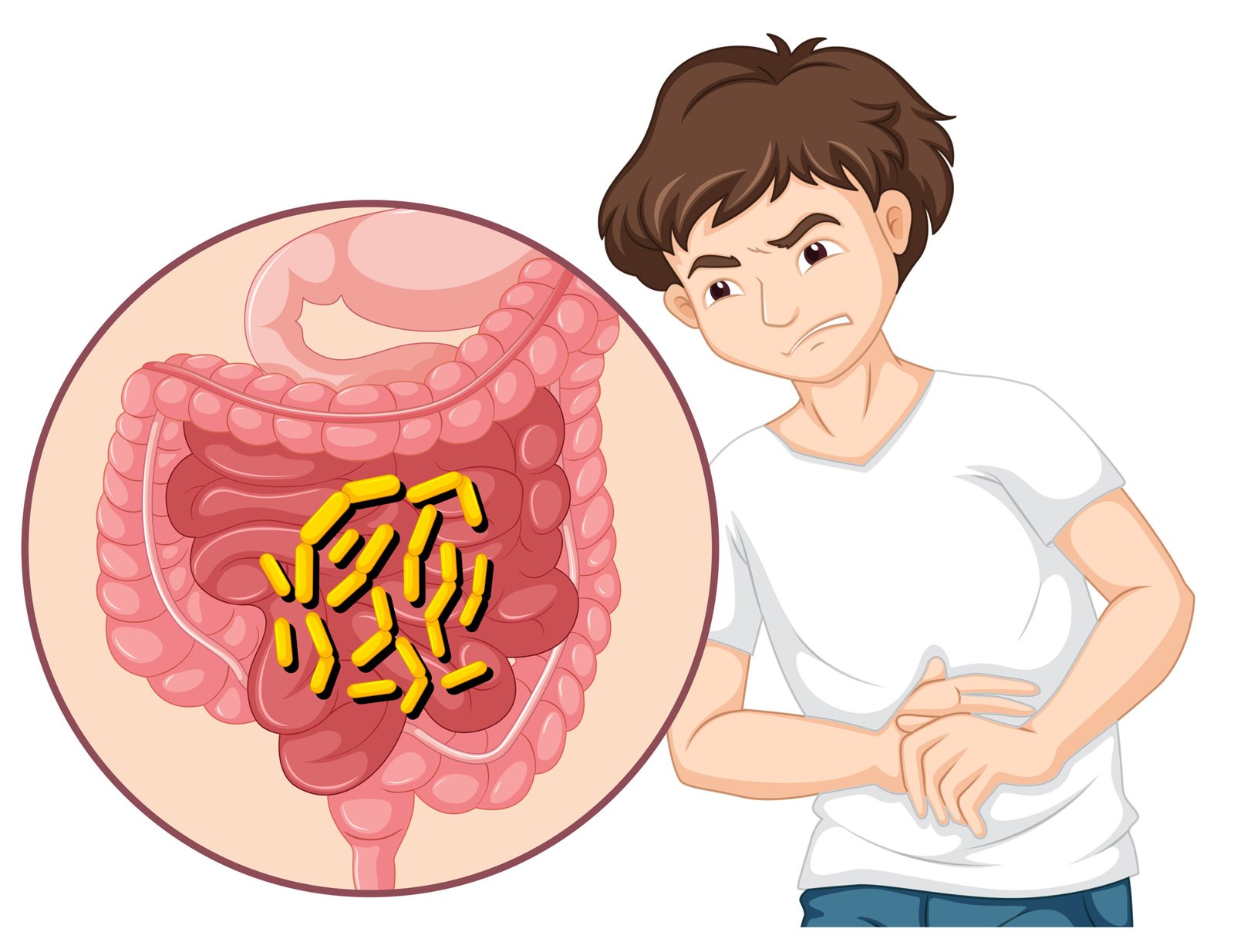
Do you ever feel the swelling deep in your skin that causes severe pain in different parts of your body? This swelling is caused by building up certain fluids under your skin or mucus membranes and a condition known as Angioedema. Angioedema usually affects your gastrointestinal tract, face and throat including some other parts of the body.
Now, you’re wondering about what is the cause of fluid building up under your skin, it is actually certain medication that causes fluid accumulation leading to painful swelling. Angiotensin converting enzyme (ACE) inhibitor is an example of such medications. But sometimes angioedema is also caused by some health conditions. Therefore, the treatment of this deep tissue swelling depends on the cause.
It is categorized into two forms i.e. acute and chronic. Their chronic angioedema have long lasting symptoms that may last overcome and go repeatedly for 7 to 8 months usual;ly but the acute firm involves the symptoms that last from a few days to few weeks.
Certain health conditions causing the angioedema include:
- Viral or bacterial infections.
- Autoimmune disorders.
- Eosinophilic disorders that affect your white blood cells.
- Immunoglobulin E(IgE)-mediated allergy.
- Hereditary angioedema.
- Chronic urticaria.
Other potential causes of the condition are:
- Medication side effects.
- An allergic reaction to insect sting, food or another trigger.
If you experience symptoms of angioedema, go to emergency department. There the doctors can help you identify the cause and recommend the best treatment option to reduce the symptoms of angioedema.
Read on to learn more about the potential causes and treatment options of angioedema swelling.
Types of Angioedema on the Basis of Potential Causes
Drug-Induced Angioedema
ACE inhibitors are the leading factor in causing angioedema. These medications are often used for the treatment of blood pressure and certain types of cardiovascular diseases. Several sources of research centers have claimed that AVE inhibitors affect the African American most because they naturally have lower levels of bradykinin. This factor increase the sensitivity ti ACE inhibitor-mediated to increase bradykinin, which is a molecule that contributes a lot in causing pain and inflammation.
In addition,certain medications are also considered as causative trigger to angioedema swelling, such as:
- Muscle relaxants.
- Fibrinolytic agents.
- Nonsteroidal anti-inflammatory drugs (NSAIDs).
- Opiates.
- Calcium channel brokers.
Your doctor can identify correctly if you have any symptoms due to the medications you’re taking for another underlying health condition.
IgE-Mediated Allergy
A severe allergic reaction, known as anaphylaxis also leads to angioedema swelling. If you’re living with IgE-mediated allergy to certain foods, insect stings or other stimuli, you may experience symptoms of anaphylaxis. Studies show that when your IgE antibodies in the immune system mistakenly attack the allergens considering them a threat, you develop an IgE-mediated allergy.
Moreover, sometimes intense physical activity like vigorous exercise also can cause exercise-induced anaphylaxis.
Other potential symptoms of this allergy include:
- Shortness of breath.
- Wheezing.
- Hives.
- Fainting.
- Skin flushing.
- Itching.
- Vomiting.
- Abdominal pain.
- Hoarseness.
The important point is that anaphylaxis is not a mild cholinergic reaction. If you experience its symptoms, you need immediate treatment with epinephrine.
Chronic Urticaria (CU)
Chronic urticaria is the development of symptoms of angioedema like itchy hives. The symptoms of UC usually last for more than 6 months. However, some symptoms continue to come and go repeatedly during the suffering duration. If you are suffering from chronic spontaneous urticaria, you may develop symptoms without an identifiable trigger. But the chronic inducible urticaria, usually involves development of symptoms after the exposure to certain triggers,using:
- Spicy foods.
- Stress.
- Pressure or friction on your skin.
- Exercise.
- Exposure to heat or cold.
Sometime, people also develop the symptoms of both spontaneous and inducible urticaria at the same time. However, it’s a rare condition.
Hereditary Angioedema (HAE)
This is a rare condition when certain genetic changes are opposed to children from their parents and cause spontaneous angioedema. However, studies show that around 30% of HAE patients do not have a family history with the condition.
According to research, the human body has a special protein, known as C1-inhibitor that naturally controls inflammation or swelling. The deficiency of C1-inhibitor causes the increase in swelling. HAE is the major cause of drop in the production of C1-inhibitor protein. Therefore, these people develop the symptoms of angioedema. However, researchers all agreed that rare cases had been observed involving typical C1-inhibitory function and levels.
Common symptoms of HAE include abdominal pain and swelling under the skin that usually last for 6 – 7 days. In rare cases, throat swelling also occurs that requires immediate medical treatment.
Other Certain Causes
Some health conditions also cause problems in your immune system functioning leading to development of angioedema selling.
Some examples of such conditions include:
- Eosinophilic disorders such as Gleich syndrome.
- Viral or bacteria infections.
- Autoimmune disorders, such as:
- Sjogren disease.
- Ulcerative colitis.
- Systematic lupus erythematosus.
- Lympho proliferative disorders such as:
- B-cell lymphoma.
- Monoclonal gammopathy of unknown significance (MGUS)
- Lymphocytic leukemia.
Sometimes, the angioedema symptoms are not helpful in identifying a cause.
Typical Ways to Reduce Angioedema Swelling
The swelling due to angioedema is caused by different reasons such as certain health conditions or some medications. However, the good thing is that you can reduce the swelling and pain related to angioedema through different ways. These strategies can help ease the symptoms.Some of them are jotted below:
Taking Prescribed Medications
Chronic type of angioedema can be treated with the use of prescribed medications. But the prescription must be from a professional certified healthcare medical officer. Common examples of angioedema that can be treated with medications are:
- HAE.
- IgE-Mediated Allergy.
- Chronic Urticaria.
However, the treatment always depends on the cause of the condition.
Taking Epinephrine for Removing Allergic Reaction
The angioedema caused by an IgE-mediated allergy due to infection through food or insect sting is known as anaphylaxis. This is the most severe type that always leads to the angioedema swelling in your airways or respiratory duct. This is often considered a life-threatening condition as it causes a severe drop in blood pressure leading to death.
In this case, doctors usually prefer prescribing epinephrine to treat anaphylaxis. However, if the symptoms remain persistent even after using epinephrine, contact your EMS. Worsening or coming back symptoms can cause severe damage. You should go to the hospital for additional treatment.
It happens often that people try to manage anaphylaxis at home on their own by taking a dose of epinephrine. . in most cases, the strategy proves effective and symptoms go away quickly and never come back. But you can consider this option only when you have a large stock of epinephrine at home and your dictionary suggests you manage your condition at home safely.
Medication for Chronic Urticaria
This type of angioedema is identified due to its flares of itchy hives. The most effective medications approved by educators for reducing the symptoms of chronic urticaria include:
- Omalizumab (Xolair).
- Ciclosporin (Sandimmune).
- H1 antihistamines, such as:
- fexofenadine.
- loratadine.
- cetirizine.
- levocetirizine.
These medications are considered good for preventing flares of symptoms like itchy hives and angioedema swelling. Doctors often prescribe short-term treatment with a corticosteroid if you’re experiencing flares of angioedema. Avoid the long-term use of these medications as they can cause high risk of side effects.
Medication of HAE
This is a rare type of angioedema caused by genetic changes transferred from parents to children. Multiple medications have been approved from FDA to treat HAE including:
Preventive medications like:
- Garadecumab.
- Berotralstat.
- Donidalorsen.
- Plasma derived C1 esterase inhibitor.
- Anabolic steroid such as:
- danazole.
- stanozole.
On demand medications, such as:
- Recombinant human C1 esterase inhibitor (Ruconest).
- Ecallantide.
- Sebetralstat.
- Icatibant.
- Plasma-derived C1 esterase inhibitor (Berinert).
Preventive medications are prescribed to reduce the number of angioedema episodes. While on-demand medications are used to reduce swelling. You should take them as soon as possible when you experience the relevant symptoms.
However, angioedema swelling in the throat, larynx or tongue is a more serious form of angioedema that is life-threatening. So, it is important to contact an EMS for treatment of these symptoms.
also read: https://onlinehealthpoint.com/how-to-boost-serotonin-naturally-and-without-medication/
Management of Triggers of Angioedema
Unidentifiable triggers or causes make it difficult to treat the symptoms of angioedema. However, studies show that exposure to certain triggers is the major cause including:
- HAE triggers.
- Medications.
- Allergens.
- Chronic urticaria triggers.
Avoiding them can help manage the severity and episodes of angioedema swelling.
Medications
There are a large number of side effects associated with the use of medications that make the angioedema more severe. One of them is drug-induced angioedema that is triggered with the use of angiotensin converting enzyme (ACER) inhibitors. Doctors often prescribe this drug to treat the blood pressure and certain heart diseases.
Its common examples are:
- Lisionopril.
- Ramipril.
- Enalapril.
- Perindopril.
Other than these, some more medicines are also listed as triggers to drug-induced angioedema. Your doctor may ask to stop taking these medications if your symptoms don’t go or remain persistent.
Allergy Triggers
People having an IgE-mediated allergy type, they surely suffer from more types of allergies that are triggered by certain allergens. The symptoms appear as angioedema.
Common allergens causing the symptoms include:
- Medications, such as sulfa drugs or penicillin.
- Latex.
- Foods, such as eggs, milk or nuts.
- Iodinated contrast media, which is used by healthcare professionals to examine your body during CT scan or X-rays.
- Insects stings like wasp or bee stings.
Contact certified allergist or dermatologist to help identify the specific allergen that had caused the symptoms along with the recommendation of tips to avoid them.
Chronic Urticaria Triggers
Chronic urticaria is difficult to diagnose and manage because its symptoms develop with no identifiable triggers. It often has more than one trigger.
Examples of triggers include:
- Exercise or strenuous physical activity.
- Pressure, vibration or friction on the skin.
- Stress.
- Spicy foods.
- Exposure to cold or heat.
- An allergist can help identify the correct trigger after examining your symptoms.
HAE Triggers
People developed symptoms of HAE can also affected by angioedema due to certain triggers like:
- Injuries.
- Infections.
- Physical and emotional stress.
- Dental or medical procedures.
You can learn more about the triggers and management of these triggers by discussing your symptoms with a HAE specialist. Yet they may help you reduce the symptoms of angioedema by prescribing short-term preventive medications.
Consider OTC Medication
Certain OCT medications are used to ease angioedema symptoms including pain and swelling. But these drugs are not effective for addressing the underlying cause that triggers the symptoms.
Common OTC medications for angioedema prevention include:
OTC Antihistamines
These drugs help reduce swelling and pain caused by angioedema. They also help improve the related symptoms like post-viral angioedema, allergic reactions and chronic urticaria.
Common examples of antihistamines include:
- Zyrtec.
- Allegra.
- Claritin.
- Aller-Ease.
But you can’t take these on your own. Your doctor will help you determine which of these may be effective and safe for you.
OTC Pain Relievers
These medications help ease other symptoms of angioedema such as swelling and pain. Acetaminophen is the commonly used pain reliever. Many other non-steroidal anti-inflammatory drugs are also used to prevent the angioedema swelling. However, taking NSAIDs like naproxen and ibuprofen can worsen the symptoms in some people.
Using a Cold Compress
The discomfort and pain from angioedema can be managed with cold compresses. Although, it is not effective for removing the cause of this condition, it can make you feel relieved.
Wrap an ice pack clean cloth and apply it in the affected or swollen area. The technique will ease the symptoms.
However, applying ice directly to your skin can cause frostbites. You also shouldn’t apply an ice pack on your skin more than 15 minutes past time. This treatment is not suitable for you if you have cold-induced chronic urticaria.
Conclusion
The most obvious symptom of angioedema is swelling and pain. They depend on the cause of the condition. Your ducts may help you determine the cause and trigger of angioedema before recommending the best treatment option.
At first, doctors prescribe certain medications to ease the angioedema symptoms including swelling and pain. They also suggest avoiding the trigger or over-the-counter medications to get eliminated. But having swelling in your larynx, tongue or throat due to angioedema is a severe case. You need to go to contact an EMS immediately. This medical emergency often proves fatal and life-threatening.