
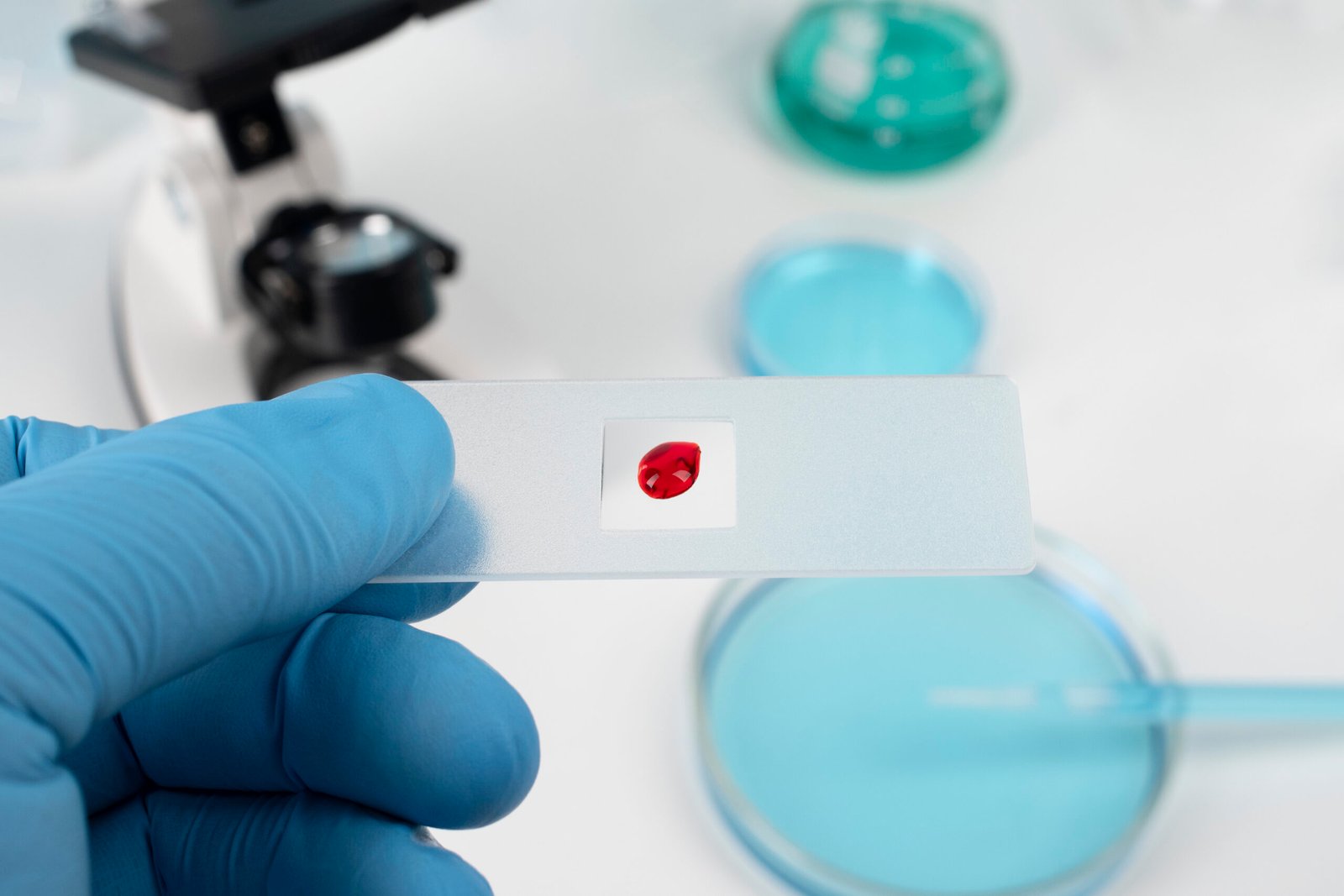
T-cell Leukemia is a blood cell cancer that is not common. It affects your white blood cells that are responsible for defending your body against pathogens causing illness and infections. The white blood cells identify the foreign invaders and fight off them to protect you from disease. The original production place of T cells is your bone marrow. They form and develop there. After becoming mature they leave your bone marrow and go to a specialized structure located behind your breast bone, called thymus gland. T cells often get damaged when their DNA structure is disrupted. The damaged DNA leads to uncontrolled abnormal cell division and cell growth. This abnormal production of T cell leads is known as T cell Leukemia.
In this article, you will go through detailed discussion about typical symptoms, ways of diagnosis and treatment of T cell leukemia.
What is T-cell Leukemia?
Blood cancer is known as leukemia and defined as the uncontrolled abnormal production and growth of blood cells. As blood cells are produced in your bone marrow , the plastic of cancer origin is also bone marrow. Uncontrolled cell division takes place there because most of your body’s blood is made there.
Studies show that immature white blood cells that are passing through developmental stages often become leukemia cells. Leukemia is a combination of two Greek words, leukos meaning white and hamia means blood.
Types of Leukemia
Leukemia is of different types. Its kinds are classified on different bases. For example, leukemia is sometimes classified on the basis of its fast growth (acute) slow growth (chronic) leukemia. But it is also classified on the basis of the type of blood cell involved. However, in most cases leukemia involves white blood cells.
Detail of leukemia classification is noted below:
On the basis of kinds of white blood cells involved, leukemia is of two types:
Lymphoid Cells Leukemia
White blood cells known as lymphocytes cause this cancer. These are the main cells that make lymph tissues, composing a major part of your immune system. They also help your body fight against infection causing invaders. Lymphocytes are further divided into two types:
T Cells: These cells are specialized in identifying the foreign or infected cells. After detecting any such cell they destroy those cells and send signals to the immune system so that it may get activated.
B Cells: These cells are specialized in making antibodies which help stop entry of foreign invaders. Common invaders are viruses and bacteria that cause illness and infection in your body.
Myeloid Cells: Blood stem cells when they start growing, they either become lymphocytes or myeloids. Myeloid cells can develop into red blood cells, white blood cells and platelets. Mature myeloid cells turns into white blood cells are known as:
- Basophils.
- Neutrophils.
- Eosinophils.
- Macrophages.
- Monocytes.
Now, it’s time to get focused because another categorization of leukemia is based on the way the cancer cells grow. So the healthcare private also divided leukemia based on how quickly they progressed. By speed of disease progression, leukemia can be:
Acute Leukemia
In this time, leukemia cells grow and divide rapidly thus the disease progresses more quickly. This is a life-threatening form of leukemia that makes you feel sick within weeks of leukemia cells formation. It needs quick therapy as it has become the most common type of blood cancer in children around the world.
Chronic Leukemia
This type of leukemia is caused by both mature and immature blood cells. These cells develop for a while at the point of production and cause the worst symptoms within a few days of their development. This is a worse type of blood cancer than acute leukemia. You may have no noticeable symptoms while developing chronic leukemia for years. It is equally common in adults and children.
These two types of leukemia are further divided into:
Acute Lymphocytic Leukemia: This is also known as ALL and the the most common type of leukemia that affect children, teens, and adults equally. Adults of any age can become its victim.
Chronic Lymphocytic Leukemia: This is also known as CLL and is common in older adults over age 60. However its symptoms remain dormant and do not appear for several years.
Acute Myelogenous Leukemia: This is also known as AML and the most common chronic leukemia in adults. However, it usually affects older adults including people over age 60.
Chronic Myelogenous Leukemia: This is also known as CML and is the more common type affecting adults of any age. However, rare cases have also been reported in children. Its symptoms also do not appear after several years.
How does Leukemia Develop?
Blood cells are basically produced in your bone marrow, a spongy tissue in the inner cavity of your bones. Bollywood cells pass through different developmental stages before reaching the mature stage. Primitive stem cells in bone material also start developing into immature precursor cells. Some of them stay in the bone marrow and develop into B cells while others escape from there and reach the thymus where they develop into mature T cells.
DNA changes in precursor cells damage them and lymphocytic leukemia begins to develop. These damaged DNA cells start dividing uncontrollably and never become mature. As a result, a large number of abnormal cells have been copied and gotten into your bone marrow and bloodstream. This process leads to lymphoma that damages your lymphatic nodes and lymphatic tissues. B cells are often involved in lymphocytic leukemia but sometimes T cells also play roles. If it becomes T cell lymphocytic leukemia it directly affects your T cells and it is being studied more than other types due to its worse symptoms.
How Does Leukemia Affect Your Body?
Increase number of leukemia cells in your blood is a sign of abnormality because:
Leukemia cells do not play any role in keeping you in good health.
They make the space congested and leave no sufficient space to multiply the mature and normal blood cells inside of your bone marrow. Leukemia cells often overtake normal cells.
Your body needs oxygen for proper functioning. Fewer red blood cells, platelets and healthy white blood cells help your body stores and organs to get enough oxygen. But an increased number of leukemia cells create hurdles in absorbing oxygen and makes it difficult for your body to fight against infections. They also promote blood clotting.
Symptoms of T Cells Leukemia
When the count of lymphocytes or T cells cross the limit of 100,000 cells/microliter, the T cell leukemia comes into existence. The increased number of T cells actually causes the condition. The normal range is between 4000 to 11000/mL.
Studies show that most patients of T cell leukemia are diagnosed with high white blood cell count or T-PLL. However, they don’t show prominent symptoms for years. Meanwhile the T-PLL becomes stable and progresses slowly. This is called the inactive statue of T cell leukemia. However, after sometime the disease becomes active and starts showing symptoms. The dormancy duration lasts for around 2 years. But the white blood cell count gets higher and higher during this duration. Symptoms when appear, they are in the form of:
- Swelling area or edema in your legs, membrane covering your eyes and prominent skin foldings around your eyes.
- A rash or other skin lesions caused by white blood cells moving to your skin tissues.
- Fluid build up in your abdominal cavity or around your legs.
Other forms of symptoms that are linked with other types of leukemia are commonly not found in patients with T-PLL. But illness continuously progresses. ,meanwhile B-cell symptoms become visible, including:
- Fatigue.
- Unexpected weight loss.
- Fever.
- Night-sweats.
- Chills.
Overcrowding of your bone marrow with T cells also affects the production of normal blood cells. The shortage of normal blood cells result in:
- Nosebleeds.
- Gum bleeding.
- Easy bruising.
- Shortness of breath.
- Anemia (lack of red blood cells).
- Malaise.
Unfiltered white blood cells in your vital organs are detected with some symptoms which are introduced by your healthcare providers during a physical exam. The symptoms include:
- Lymphadenopathy (enlarged lymph nodes).
- Hepatomegaly (an enlarged liver).
- Splenoegaly (an enlarged spleen).
Who is at High Risk of Developing T Cell Leukemia?
There are limited known risk factors for developing T-PLL. People usually get diagnosed with T cell leukemia around the age of 60 or more. Because at this age it is easy for invaders to attack your immune system. Women are affected more than men. However, it also affects young adults and children.
If you are a victim of ataxia telangiectasia. The chances of developing T-PLL will increase. It is a rare type of cancer that is inherited and affects children in earthly childhood. It destroys your immune and nervous system. The condition causes loss of ability to coordinate movement. With the passage of time, symptoms become worse and makes it difficult for you to even walk and balance your body.
Diagnosis of T-Cell Leukemia
As a first step for proper diagnosis of T-cell leukemia, you doctor as you to go through a physical exam. If they find some irrelevant things in your blood composition, they continue the examination with more authentic blood tests. These tests help analyze your white blood cell count. Then they look for causes of falling down of white blood cell count and increase in lymphocytes.
Popular tests considered best for diagnosis, include:
- A flow cytometry to evaluate the size, surface markers, shape and other characteristics of lymphocytes causing leukemia.
- Karyotyping to take a closer look at your chromosomes.
- A complete blood count to determine the exact number of each type of blood cell.
- Fluorescence in situ hybridization to check for genetic abnormalities.
- A peripheral blood smear test to check the blood cells under a microscope.
- An analytical test of lymphocytes T-cell receptors to check their arrangements.
The doctors gather all information from these tests and go for a conclusion whether you have T-cell leukemia or not. But besides all the mentioned tests, healthcare providers often perform HTLV type 1 test that helps check the presence of Human T-lymphocytic virus in your blood. If the result is positive. You are diagnosed with adult T-cell leukemia which is actually caused by a virus not T-PLL.
Another way to diagnose t-cell leukemia is the CT scan of your abdominal cavity, chest cavity and pelvic region. The CT scan helps evaluate the condition of your vital organs if they have lymph nodes.
Doctors often evaluate the red blood cells and platelets with a bone marrow biopsy to suggest a better treatment plan.
However, being an asymptomatic individual, you need a monthly physical test and white blood cell count until your T-PLL test results become negative.
Treatment of T-Cell Leukemia
Studies confirm that asymptomatic leukemia can’t be treated. So treatment of the condition can be started after symptoms of leukemia appear. Inactive T-PLL cannot be diagnosed, therefore treatment means nothing. However, when it becomes active, the first option is to treat it with chemotherapy. Different drugs are used in combined form during chemotherapy. Studies show that around 90-95% patients get relief through chemotherapy and around 80-85% get complete remission.
However, in some cases getting complete remission needs an allogenic stem cell transplant which usually involves donations from blood or bone marrow. But finding a suitable donor is not covenant. In case, no donor is available for autologous stem cell transplant in which just a sample is collected of your blood or bone marrow before chemotherapy and used for treatment.
Conclusion
T-Cell Leukemia is a rare disease but it is an aggressive condition that needs immediate treatment. The high white blood cell count is the common symptom of the condition. Symptomatic patients are recommended to have intravenous chemotherapy. Who achieves a complete remission, is often suggested as stem cell replacement.
However, visiting your healthcare provider regularly can help you diagnose the disease in a timely manner. Immediate treatment can help relieve symptoms. Increasing the rate of production of healthy red blood cells, white blood cells and platelets is another way of limiting the complications related to leukemia.