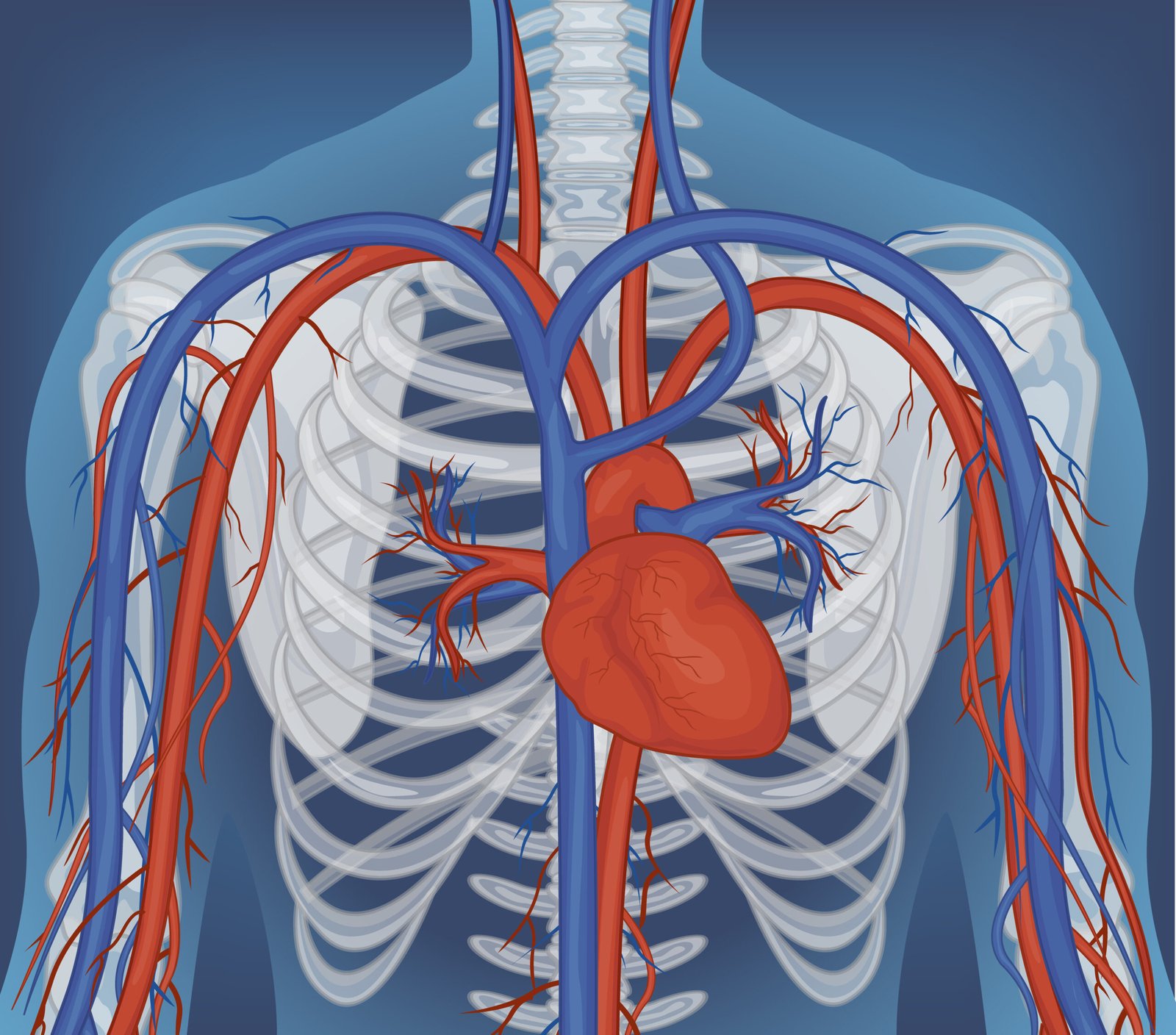
The circulatory system has different organs like heart, arteries, veins, and capillaries that work together to pump blood throughout your body. This means the cardiovascular or circulatory system doesn’t take rest and works continuously to make it possible that every cell of your body can get food and oxygen without any interruption. However, certain cardiovascular conditions can affect the function of the circulatory system.
Human anatomy explains that your cardiovascular system, which is also known as the circulatory system as it circulates blood throughout your body, is composed of many emoluments. From which the most important is your heart. The basic function of the system is to provide oxygen and other essential nutrients to your body; organs, tissues and cells switch are assimilated in your blood. But this not all, it also works further for the removal of waste products from your body like carbon dioxide. If you want to live a healthy and physically stable life, your circulatory system must be active.
Let’s delve deeper into the structure and function of the circulatory system, so that you may gather the important information about how you can keep your heart and blood vessels healthy and active.
What Makes Up the Circulatory System?
Several organs work together like a unit to establish a well functioning circulatory system. The most important parts are:
Heart: This is the strongest muscular organ of your body and as well as circulatory system. It holds the whole system and functions via intricate blood vessels spreading throughout your body.
Arteries: These are the blood vessels that carry oxygenated blood away from the heart and transport it to your body. Their walls are thick.
Veins: These are the blood vessels that carry deoxygenated blood towards your heart collected from a lot of the body.
Capillaries: The tiniest blood vessels performing conjunction places for arterioles and veins actually works to pump blood to all parts of the body. They also help in exchange of oxygen and nutrients and wastes between your tissues, organs and circulatory system.
Circulatory System and Its Amazing Aspects
- Your heart pumps around five liters of blood every minute.
- Its size is only about your fist.
- According to an estimation, your heart beats 2.5 billion times, if you live to the age of 70.
- At rest, your heart usually beats 70 to 100 times per minute.
- The total average length of all blood vessels found in your body is around 55,000 to 60,000 miles.
- Capillaries are the smallest blood vessels that are also larger in number than other types of vessels.
Your blood flow commonly known as blood pressure changes from time to time throughout the day but it is minimum when you’re sleeping while it reaches its peak level in the middle of the afternoon.
Functioning of Your Circulatory System
The vital part of your survival depends on your circulatory system. Because it transports blood and all nutrients you need to live. The blood vessels known as capillaries provide a platform to exchange oxygen and nutrients between your blood and cells of the body. Wastes of your body organs along with carbon dioxide are expelled out through into blood. Thus these tiny examples are doing big tasks.
Following your blood on a simple loop through the circulatory system can help you understand how it works. Let’s start following it!
- Deoxygenated blood returns back to your heart’s right side through veins.
- Your heart pumps its oxygen-depleted blood to your lungs. Here blood gets rid of carbon dioxide it collected from organs and tissues and absorbs oxygen.
- Refreshing oxygenated blood now returns to the left side of your heart.
- The headset pumps this newly oxygenated blood towards body organs through arteries.
- From arteries, blood enters capillaries where it releases oxygen and nutrients for your body cells, tissues and organs. Then absorbs wastes and carbon dioxide.
- Now, this poorly oxygenated blood returns to the right side of the heart through veins and the cycle continues.
- in addition, various other stimuli also affect the functioning of your circulatory system, including:
- Hormones.
- Electrolytes.
- Blood volume.
What is Red Blood and Blue Blood?
The blood is actually red in color because of an iron-rich protein called hemoglobin. Hemoglobin present in red blood cells gives it a red color. Sometimes, red blood denotes the oxygenated blood.
Veins collect deoxygenated blood. This looks blue because it is poor in oxygen. Rather true, when you look at your veins, they look blue underneath the skin. This shows that low levels of oxygen gives veins a darker bluish color.
Do All Arteries Carry Oxygenated Blood?
When you talk about most of the parts of the body and the arteries located there, yes, arteries carry oxygenated blood only. But the pulmonary arteries that bring deoxygenated blood from body to back to heart carry deoxygenated blood. While as an exception, pulmonary veins return the oxygenated blood to your heart from your lungs.
Health Conditions related to Circulatory System
Here’s a detail about common conditions that affect the health of your circulatory system.
Atherosclerosis
When plaque builds up along the walls of your arteries, atherosclerosis occurs. Factors contributing to plaque accumulation include:
- Diabetes.
- An imbalance and unhealthy diet.
- High blood pressure.
- Being obese or overweight.
- High cholesterol.
- Unchecked tobacco use.
- Low or no physical activity.
The condition generally causes the narrowing of arteries that affects the amount of blood flowing through the arteries. That’s why organs and tissues experience shortage of blood supply. Arteriosclerosis damages the structure and functions of arteries leading to coronary artery disease. Although the condition also affects other types of blood vessels leading to peripheral artery disease that causes interruption in blood flow towards your legs, arms, feet and hands.
In addition, complete blockage of an artery due to plaque or a blood clot can cause stroke or even heart attack.
High Blood Pressure
The force that your blood exerts on the walls of blood vessels during its flow is known as blood pressure. Your heart pumps blood towards your body parts through blood vessels and the flow of the blood sometimes crosses the limit of fore bearing capacity of blood vessels. The damage caused by high blood pressure can cause disorders in your brain, eyes and kidneys.
Angina
This is defined as a chest pain when your heart experiences shortage of oxygen. The narrowing of arteries or coronary artery disease are the leading causes of angina.
Arrhythmia
It is recognized as a condition when your heart rhythm becomes abnormal. In this condition, your heart starts beating too fast (tachycardia) or too slowly (bradycardia), or irregularly. Arrhythmia usually happens due to sudden changes in the electrical signal inside your heart.
Varicose Veins
Special valves are present in your veins that help maintain the one-way flow of deoxygenated blood coming from tissues to your heart. Failure of the functioning of valves make blood clots in the valves leading to bulging and swelling that is often painful. Varicose veins often appear in lower legs.
Blood Clots
When blood cells clump together or coagulate to form a gel-like mass, they are called blood clots. The clothes stick in the blood vessels and block the blood flow. They also can cause:
- Stroke.
- Pulmonary embolism.
- Heart attack.
- Deep vein thrombosis.
Heart Attack
When any part of the heart doesn’t get enough blood, it experiences an interruption in blood supply that causes heart heart attack. Heart attack also occurs when oxygen demand of the heart exceeds the usual blood supply. This situation causes death of the affected area of the heart.
Stroke
When blood vessels that supply nutrients and oxygen to your brain get blocked, a stroke occurs. Stroke causes the brain cells to die. Brain cells cannot be replaced, so the damage to the brain is permanent. However, if blood flow is quickly destroyed the risk of brain damage may be lower.
Additional Conditions
Other than the above mentioned conditions, there are also some more conditions that can affect your heart health, such as:
Heart Failure: When your heart doesn’t pump blood as efficiently as it should, your organs and tissues don’t get enough oxygen and nutrients. This develops an unbearable pressure on your heart leading to heart failure. Heat failure is of two types i.e systolic and diastolic. The firmware occurs when your head doesn’t pump blood efficiently and later one occurs when pumping of blood is normal but the heart is not relaxing normally due to stiffness.
Heart Inflammation: Inflammation occurs in the inner lining of the heart that is known as endocarditis. The spreading of inflammation to the sac of heart is called pericarditis and around the heart muscles it causes myocarditis.
Heart Valve Problems: Valves in the heart function to control the direction of flow of blood. Leaky or blocked valves can cause less efficiency during pumping blood.
Congenital Heart Disease: Birth of a person with a heart or blood vessels related abnormality causes certain congenital heart diseases. This may be caused by the abnormality in the formation of heart muscles.
Vasculitis: The inflammation in the walls of your blood vessels is called vasculitis. This can lead to further complications.
Aneurysm: When artery walls become weak and start bulging, the condition occurs. It usually affects the bigger arteries. Rupturing of a big artery due to aneurysm often leads to death.
When to Seek Medical Help?
Circularity system conditions must be treated as soon as possible. Because ignoring or mistreating them can be life-threatening. But it’s a great misfortune that many people don’t even know that they are suffering from a heart or circulatory system. Therefore, it is necessary for all to visit your healthcare provider for regular checkups. Your regular visits help your doctor to keep an eye on your heart health, blood pressure and cholesterol levels.
In addition, when you experience any unusual symptom especially related to your blood pressure, or heart rate make an immediate appointment with your doctor to get the accurate diagnosis of symptoms.
However there are some medical emergencies, when you need a quick medical care other than heart attack or stroke, such as:
- Rapid or irregular heart beat.
- Lightheadedness or dizziness.
- Sweating.
- Sudden pain or pressure in your chest spreading to your neck, shoulders and arms.
- Shortness of breath.
- Fainting.
- Feelings of fatigue and weakness.
- Digestive symptoms like vomiting, nausea and stomach ache.
- Severe headache.
- Seizures.
- Confusion.
- Numbness particularly on one side of your face or body.
- Trouble walking due to loss of balance.
- Problems with vision.
- Difficulty talking or slurred speech.
Conclusion
Your hearty and intricate network of blood vessels i.e arteries, veins and capillaries collectively called the circulatory system. The system is responsible for blood flow throughout your body organs, tissues and even cells. The main function of the circulatory system and its components is to super oxygen rich blood to each cell of your body. However, besides oxygen, this system also transports nutrients to all parts of your body and collects wastes like carbon dioxide from every tissue and organ. This means along with the supply of blood, oxygen and food, the system is also working for the cleansing of your organs.
There is a long list of conditions that can affect your heart health or damage the structure and function of blood vessels attached with your heart including arteries, veins and capillaries. The common types of conditions involve damage to blood vessel structure, blockage of blood vessels due to plaque or blood clot or hardening and narrowing of blood vessels. Due to these conditions the blood supply to the heart or some parts of heart often gets interrupted or blocked. This may lead to heart attack or heart failure. But when blockage of blood flow occurs in brain cells, it causes permanent damage to the brain leading to death.
However, following some preventive measures can help you avoid such conditions that are dangerous for your life. First of all you need to keep your circulatory system healthy and active. For this purpose, get regular exercise, eat a balanced and healthy diet, avoid smoking and alcohol consumption, maintain a moderate weight, avoid anxiety or depression, and get enough sleep.
Keep it in mind, visiting your doctor for regular checkups can help you avoid any condition that can damage your circulatory system or cause any life-threatening situation.