Do you know pumpkin holds a myriad of health benefits and is full of nutrition? Its taste is sweet and can help replace many unhealthy snacks at the time of cravings. Health Benefits of Pumpkin and its nutritional value make it a good choice for those who are struggling to maintain their heart health and boost their immunity. Pumpkin is a versatile vegetable but people also take it as a fruity snack due to its sweet taste and variety of nutrients. It is rich with antioxidants, fiber, minerals and vitamins. Presence of essential micro-nutrients like Vitamin A and carotenoids also makes it a favorable autumn ingredient. No doubt it is very nutritious but also low in calories. You can cook it into sweet or savory dishes according to your choice. This article will also help you learn about various uses of pumpkin.
Let’s delve deeper into the health benefits and nutritional content of pumpkin in the following article!
What is Pumpkin?
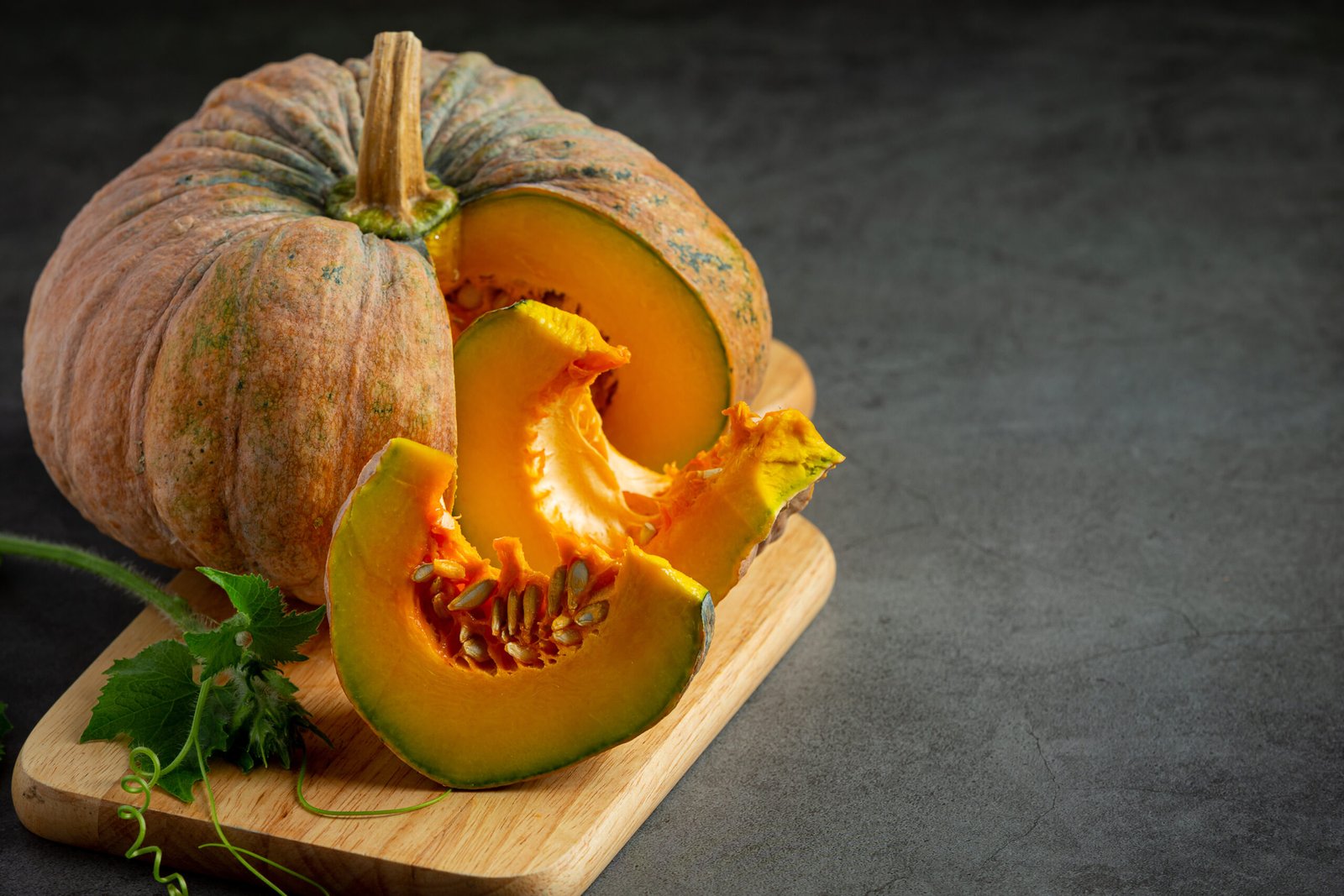
Pumpkin belongs to the plant family of melons and cucumbers. Technically, it is known as fruit as it contains seeds but when you enlist its nutritional ingredients, it looks like a vegetable. People often use it as winter squash. They grow in the winter season with a round shape. Its common variety is in orange color but shape, size and color of pumpkin can vary depending on the variety and area of cultivation. It grows on a leafy plant. As it’s a heavy fruit it is connected to its plant with a stem. Its outer rind is thick, smooth and ribbed.
As you cut it and take a look from inside, it looks full of ivory-colored seeds which were coated with stringy flesh but overall its glow from inside. However, its leaves, flesh and seeds are all edible.
In addition, it is a most popular fruit in America and surroundings because it has a big role in two yearly celebrations, including thanksgiving event and Halloween. On the eve of Halloween pumpkins are used to carve into jack-o’-lanterns while on Thanksgiving eve, people prepare pumpkin pies as their favorite dessert,especially in Canada and the United States. Its species are also grown in every continent around the world. However it is not found in Antarctica like many other fruits and vegetables.
Varieties of Pumpkins
Various varieties of pumpkin include:
White Pumpkins: They can be used as edible after cooking and also are used for decoration.
Jack-o’-Lanterns Pumpkins: This is the most popular variety of pumpkin that is cultivated on a large scale around the world. This variety is used for carving on the eve of Halloween.
Giant Pumpkins: It is not flavorful like smaller pumpkins but is edible. They are usually grown for use in contests.
Pie Pumpkins: This is the sweetest and smaller variety that is broadly used in different recipes.
Miniature Pumpkins: They are also edible but mostly used for decoration purposes.
In the USA, pumpkins are usually sold as canned food. In the canned form, pumpkins looked like butternut squash. This thing makes a clear difference between different types of squash and pumpkin. However, pumpkins have many closely resembled varieties as well.
Nutritional Profile
Pumpkin reserves a special place, when you ta;k about the most nutritious foods and vegetables around the world. Because it is the most incredible nutritious food. The high density of nutrients found in pumpkins make it highly delicious and healthy food. The presence of a lot of vitamins and minerals with lower number calories is another positive feature of pumpkins. When you talk about its nutritional value, you may learn that:
250 grams of pumpkin squash in canned form contains:
- Fiber: 8 grams.
- Calories 137.
- Carbs: 18 grams.
- Protein: 4 grams.
- Fat: 7 grams.
- Potassium: 10% of the DV.
- Riboflavin: 10% of the DV.
- Copper: 30% of the DV.
- Magnesium: 13% of the DV.
- Iron: 19% of the DV.
- Vitamin A: 210% of the DV.
- Vitamin C: 10% of the DV.
- Vitamin E: 25% of the DV..
- Vitamin B6: 10% of the DV.
- Vitamin K: 35% of the DV.
Smaller amounts of other nutrients are also found in it while some nutrients are not found in raw form. They are found in the form of certain important compounds. For example, vitamin A is found in the form of vitamin A precursor beta carotenoids and alpha carotene, in the pumpkins. After eating pumpkins, your body easily converts these powerful antioxidants into Vitamin A.
Read More: https://onlinehealthpoint.com/health-benefits-of-castor-oil/
Nutritional Value of Pumpkin Seeds
Pepitas is another name for pumpkin seeds. People often use them as snacks. The nutrient breakdown of 20 grams of pumpkin seeds tell you that it contains:
- Fibber: 2 grams.
- Calories: 90
- Carbs: 3 grams.
- Protein: 3 grams.
- Fat: 6 grams.
- Zinc: 10% of the DV.
- Copper: 20% of the DV.
- Phosphorus: 15% of the DV.
- Magnesium: 20% of the DV.
This nutritional profile explains that pumpkin seeds have high concentrations of fat but lower amounts of carbs. This feature makes them an amazing choice for those who are following plant-based or low carb diets.
Health Benefits of Pumpkin Seeds
Pumpkins are highly nutritious and associated with many health benefits, including improved heart health and controlled blood sugar levels. A small amount of pumpkin dessert or any recipe provides you extraordinary health benefits as it contains enough amounts of fiber, zinc, fats,and carbs. Such nutrients make it the right choice for the people who are struggling to protect themselves against prostate cancer or breast cancer.
Common health benefits of eating pumpkins include:
Highly Antioxidant in Nature
Pumpkins have reservoirs of phenolic acids and flavonoids which are powerful antioxidants. Smaller amounts of carotenoids and vitamin E are also present in them. Antioxidants are a good source to protect your body cells from free radicals and reduce inflammation. Foods rich in antioxidants often help you protect yourself against certain diseases.
In addition, studies also show that pumpkins have been proven beneficial for your overall health due to the presence of high levels of antioxidants.
Association with Reduced Risk of Certain Cancers
According to nutritional comparison studies, pumpkins contain certain plant compounds that make it effective for fighting against cancer spreading cells. In a 2015 study, it was declared that eating pumpkin as a regular meal can help reduce risk of breast cancer, especially in postmenopausal females.
In addition, some older studies also suggested that the plant compound lignin is present in pumpkins. This compound is considered effective for treatment of breast cancer.
Moreover, another test tube study found that pumpkins have potential to slow down the speed of growth of cancer cells in the human body.
Improved Bladder and Prostate Health
Studies revealed that eating pumpkin helps relieve symptoms of BPH. Benign prosthetic hyperplasia is a condition in which the urinary process becomes difficult and painful due to excessive enlargement of the prostate gland. Eating pumpkins not only reduces the symptoms but a;so improves your quality of life if you’re experiencing symptoms of BPH.
A 2013 study suggested that pumpkin seed oil is effective for the treatment of prostate gland disease but its use is also associated with some side effects.
In addition, pumpkin seeds or other products can help improve urinary function and treat an overactive bladder. Its supplements also help reduce the pain in the bladder during urination.
Higher Concentration of Magnesium
Western people are often diagnosed with deficiency of magnesium because they take food that is low in magnesium. Magnesium is a mineral that’s found in higher concentrations in pumpkin. More than 500 biochemical reactions occurring in your body depend on the higher amounts of magnesium. This means your overall health directly depends on magnesium level in your body. Adequate levels of magnesium are essential to:
- Regulate your blood sugar levels.
- Control your blood pressure.
- Form healthy and strong bones.
- Reduce risk of cardiovascular disease.
Improved Heart Health
Pumpkins are rich in zinc, magnesium, antioxidants and unsaturated fats. These nutrients are important to maintain a healthy heart and vascular system. Experts have studied animals and humans in detail to evaluate the effectiveness of pumpkin products on heart health. Their research had found that oil extracted from pumpkin seeds helps reduce cholesterol levels and blood pressure. These two factors increase the heart attack risk to many folds. However, eating pumpkin products help reduce these factors.
In addition, a 2021 study about postmenopausal women showed that pumpkin seeds, flesh and oil can help increase the levels of good cholesterol and reduce diastolic blood pressure. Experts also suggested that taking pumpkin as regular meal parts helps increase the ability of producing nitric oxide in your body on its own. Enough amounts of nitric oxide are characterized by the surety of great heart health and protection against several heart related diseases. Nitric oxide is also specialized for reducing accumulation of plaque in your arteries, expanding your blood vessels and improving the blood flow.
Controlled Blood Sugar Levels
According to research, people who eat foods containing a minimum of 50 g of pumpkins daily have lower risk of high blood pressure. Another interesting fact about pumpkin is, it is amazingly effective for controlling diabetes. It helps lower blood sugar levels that have positive effects on diabetic risks.
In addition, an older study found that taking high amounts of magnesium can help lower the risk of developing type 2 diabetes. Magnesium is a great constituent of pumpkin. Eating pumpkins daily especially up to the age of 30 can help improve your insulin production. However more research is needed to verify the positive effects on blood sugar levels.
Higher Concentrations of Fiber
Dietary fiber is found in larger quantities in pumpkins. Taking a diet higher in fiber concentrations is effective for digestive health. Studies also found that diets high in fiber can help reduce risk of obesity, cardiovascular diseases and type 2 diabetes.
Improved Sperm Quality and Production
Infertility risk increases due to the lack of certain minerals like zinc. Zinc levels are closely associated with quality and production of sperms in males. Therefore, low levels of zinc causes reduced sperm quality and increased fertility risk. However pumpkin seeds are a good reservoir of zinc and other essential minerals. Eating pumpkin seeds or flesh can help increase sperm quality naturally.
In addition, some animal studies have revealed that taking pumpkin oil supplements along with vitamin E supplements can help improve reproductive performance in males by promoting their sperm production. Antioxidants found in high concentrations in pumpkin contribute to improving testosterone levels in males. All these factors positively impact the reproductive function and fertility levels in males.
Also Check This: https://onlinehealthpoint.com/coconut-water-vs-sugarcane-juice-which-is-healthier/
Different Ways to Eat Pumpkin
People often eat pumpkins as desserts. They use it in making muffins, pies, pancakes and custard. However, it can also be cooked as a savory dish. You can roast it with other vegetables or cook it as a curry dish. Its curry base dish is prepared by mixing coconut milk and spices in it.
In addition, other than flesh, the other parts of pumpkin plants like seeds and leaves are also edible and full of nutrition. Its seeds are used as a crunchy snack after roasting. You can also use a salad topping while the flowers of this plant are eaten in fried and battered form.
However, avoid cooking the Jack-o’-lantern large pumpkins because they don’t have good flavor. They are used just for carving. Pis pumpkins are more delicious than them. Secondly, eating food that has been cut and open while sitting around is not safe for your health.
Processed and Flavored Foods of Pumpkin
Pumpkin is not the meaning of a healthy diet always. Every time you want to eat pumpkin, check its species and type.
Conclusion
Pumpkin is a versatile, delicious and nutritious vegetable. Sometimes people consider it as a fruit as seeds are present inside it. However, you can use it in different sweet and savory recipes. Pumpkin is rich in fiber ,minerals and vitamins. Its seeds and leaves are also good sources of plant oil and plant-based fat. You can use them as salad topping and as a healthy snack. But if you want to get more healthy nutrients from pumpkin, eat it as a vegetable. In the form of desserts or sweet recipes it loses some of its beneficial nutrients. Pumpkin is a well-known antioxidant reservoir that can help improve your blood pressure and cholesterol problems. Its intake helps resolve your dietary and digestive issues and protects you against different types of cancers.