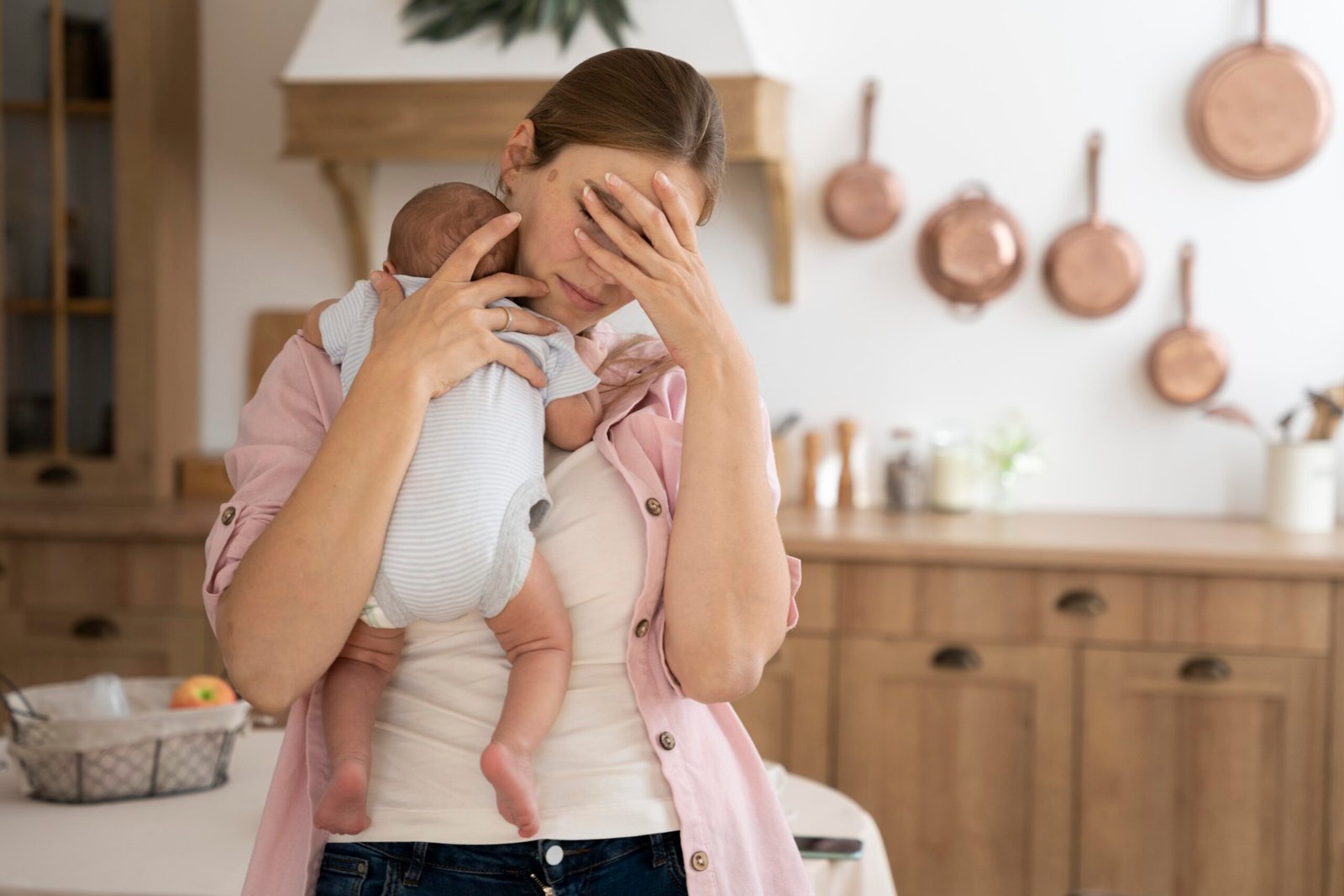
Postpartum Depression is a type of major depressive disorder. It usually affects the birthing people. It is not a common stress disorder but usually occurs in people who give birth. Common symptoms are detachment, stress and anxiety. The condition can affect any type of parents within 2 to 3 months of delivery.
This article is a good source to learn about symptoms, causes and risk factors of postpartum depression in parents or birth giving people, and how to treat.
What is Postpartum Depression?
Having a baby is, no doubt, an exciting experience but it is a reality that giving birth is also a tiring and life-challenging experience. When you first become pregnant and the procedure of development of a baby starts, you face many types of emotional troughs and crusts. Your feelings become a mixture of severe mood swings, frequent crying spells, sadness and loneliness. This condition is known as postpartum depression.
According to studies, postpartum depression (PPD) is an overwhelming feeling that often affects you after giving birth. People think that postpartum depression only affects the mother of a newborn but in fact it equally influences the caregivers, adoptive parents and surrogates. After child birth, people experience hormonal, physical, emotional, social and financial changes simultaneously. These sudden changes are the major cause of postpartum depression. But having postpartum depression is not your fault. You can get help during this depressional phase of your life because you’re not alone as the victim of PPD. contact your healthcare provider to help you manage and treat the symptoms so that you may feel relieved.
Types of Postpartum Depression
Postpartum depression is categorized as:
- Postpartum blues.
- Postpartum depression.
- Postpartum psychosis.
Postpartum Blues
According to a medical survey, 60 to 70% women experience postpartum blues after delivery. In this condition, you may feel a n urge to keep crying without any specific reason. You also experience prolonged and frequent bouts of sadness, crying and anxiety that apparently had no reason. These symptoms start to appear within 4 to 5 days after delivery and lasts for at least 2 to 3 weeks. These are not pleasant experiences but you can get relieved without treatment after a specific time duration. At this difficult time you can ask for help from our family and friends.
Real Postpartum Depression
Postpartum depression is more severe than postpartum blues because its symptoms are more harmful for the physical and mental health of a mother. Every 1 out of 7 new mothers get affected by postpartum depression. Its risk goes on increasing nearly 40% after each pregnancy. Common symptoms are feeling fatigue, irritability, anxiety, guilt, inability to take care of your baby or yourself, frequent crying without any reason, and alternating highs and lows. The symptoms may start appearing within 6 to 7 days after delivery and lasts for a year or more. Symptoms also range from mold to intense with the passage of time. Its symptoms last for a longer duration. Therefore, doctors usually recommend antidepressants and psychotherapy as treatment.
Postpartum Psychosis
The third type of PPD is postpartum psychosis. It is the most dangerous type and extremely severe than postpartum depression. If you have symptoms of this condition, you need emergency medical help. This is a rare condition and affects only 1 out of 1000 women after delivery. Its symptoms are intense and include hallucination, hopelessness, shame, mania, rapid speech, insomnia, hyperactivity, delusions, confusion, paranoia, and confusion. The symptoms start appearing quickly after delivery and lasts for several months. Its treatment is necessary and should be on immediate basis because if it is left untreated, the risk of harm to the baby and suicidal acts can increase. Common treatment options for the condition are medications, psychotherapy and hospitalization.
What Factors Play Role in Causing PPD after Child Birth?
Risk of postpartum depression increases when you:
- Have a personal or family history of depression, premenstrual dysphoric disorder or postpartum depression.
- Have a baby with special needs.
- Have a baby who cries a lot.
- Have limited social support.
- Have relationship or marital conflict.
- Are younger than 19 or a single parent.
- Have ambivalence about the pregnancy.
- Have pregnancy complications such as premature birth or difficult delivery.
Symptoms of PPD
When you have PPD, you often feel ashamed of the behaviors you show often towards your children. You often feel regret due to being a terrible mom. Your depression episodes make you an intolerable personality who doesn’t have patience./ but you don’t need to worry because it’s a common condition. You are not the only one who is experiencing these symptoms. And showing such behaviors doesn’t mean that you’re not a good mom.
If you have the following symptoms, you surely have postpartum depression.
- Loss of motivation and energy.
- Lack of interest in your baby.
- Feeling anxious around your baby.
- Feeling like you don’t want your baby.
- Having thoughts of hurting your baby.
- Feeling,worthless, hopeless, guilty and sad.
- Thoughts of suicide or when you’re dead.
- Worrying excessively.
- Loss of interest in hobbies or things you once enjoyed.
- Difficulty thinking or focusing.
- Changes in appetite.
- Crying for no reason.
- Trouble sleeping or excessive sleeping.
Whenever you feel any of these symptoms, especially after delivery, contact your primary care provider, mental health provider or obstetrician. You can also ask for help from your baby’s pediatrician.
Causes of Postpartum Depression
Research is limited about the link between rapid drop of hormones after delivery and postpartum depression. However, some authentic sources have exclaimed that estrogen and progestin are two reproductive hormones in human beings. Their levels get higher during pregnancy and drop down abruptly after delivery. After delivery, within four days the levels of these hormones get the same levels as they were in pre-pregnancy duration.
Along with these chemical disturbances, some social changes and work load changes that you may feel after birth are also biome causes of PPD. For example, changes in your body, lack of sleep, insufficient diet, and changes in relationships are the social factors that play an important role in inducing depression to your life after giving birth.’
Effect of Postpartum Depression on Your Baby
Postpartum depression has great effects on your baby. Therefore, you should plan for getting treatment for both you and your baby. Studies show that postpartum depression can affect your baby in several ways. Some of which are noted below:
- Your baby starts showing impaired social skills.
- You may find it difficult to bond with your baby and can succeed in making a strong connection with them.
- Your child may experience sleeping and feeding issues.
- Your child may show difficulty in learning.
- You may ignore your child;s care and not be able to recognize when they need you.
- You can’t understand when your child is ill.
- You start skipping appointments with your baby’s pediatrician.
- Your child may be at greater risk for obesity and developmental disorders.
Diagnosis for PPD
Postpartum depression is not treated or taken as a health condition. Therefore, there’s no specific test for its diagnosis. Your doctor or primary care provider usually evaluates you at your postpartum visit. They discuss your health history, present health, present routine and try to find out if there’s any sign of depression. Your pelvic exam, physical exam and lab tests are enough to diagnose any extraordinary change in your mental health or behavior.
In addition, healthcare providers schedule postpartum visits twice a month so that they may easily screen for depression. They make it possible to include your needs as soon as possible. They also ask some questions to check if you have postpartum depression. They talk about how you feel after delivery or after giving birth, how your baby is doing. You need to be open during the discussion so that your doctors may get an actual picture of your thoughts and emotions. They will easily distinguish any change in your thoughts or behavior and recognize that the symptoms belong to postpartum depression.
Moreover, sometimes you are ordered to have a blood test because PPD then causes some symptoms that are similar to other health conditions like thyroid conditions. So, always be honest to your provider because they are there to help you . They never judge you because you’re not a theology victim of PPD.
Management and Treatment
Treatment of postpartum depression is directly linked with the type and severity of your symptoms. Common treatment options for PPD include antidepressants and anti-anxiety medications, therapy and support group participation.
In addition, postpartum psychosis often needs medications to treat depression, psychosis and anxiety. Sometimes, your healthcare providers you and stays in hospital for intense care till you become stable and active. If these treatment options don’t work, you are recommended to have electroconvulsive therapy (ECT).
Remember, breastfeeding women are not allowed to take medicines for depression, psychosis or even anxiety.
What Medications are Effective for Postpartum Depression?
Always rely on your healthcare provider while selecting medications for treating depression. They at first prescribe antidepressants. These medicines help manage your symptoms of postpartum depression. Antidepressants are recognized for their effective role in balancing chemicals in your brain to improve your mood.
Remember breastfeeding mothers cannot take medicines for depression. Many risks are associated with the use of antidepressants for women who breastfeed their child. Because these medications transfer easily from your milk to your children.
So you are recommended to choose the antidepressant that has no effect on the baby’s health.
Common antidepressants to treat depression include:
- Tricyclic antidepressants like imipramine and amitriptyline.
- Selective serotonin reuptake inhibitors such as fluoxetine and sertraline.
- Bupropion like Zyban.
- Serotonin and nor-epinephrine reuptake inhibitors such as duloxetine.
The antidepressants take one month or more to work. So be patient and wait for the positive effects of medication. Never stop taking ,decay without talking to your healthcare drivers. It is purely the decision when to stop the medicine. Stopping medications without the permission of the doctor can cause returning of symptoms with more severity. Your doctor will recommend when to reduce the dose or when to stop it.
In some cases, when your symptoms do not show any improvement while you’re under observation at a hospital, your healthcare provider recommends IV medications that contain brexanolone.
How to Cope with Postpartum Depression?
Parenting is not a simple job. It is a complex duty that often becomes overwhelming. Having a baby makes you exhausted because a new individual completely depends on you. Having depression while performing a lot of responsibilities can be dangerous for both you and your baby. But don’t worry. it ‘s common to all new moms. Your healthcare provider will help you treat depression.
However, you can do some things to cope with depression symptoms after delivery:
- Join a support group for new parents.
- Get help with household errands and chores.
- Find someone to talk about your symptoms like a family member, a friend or a therapist.
- Prioritize rest for yourself.
- Find time for self-care and spend time doing your favorite things that you enjoy the most.
- Find some time for exercise.
- Try to get healthy.
- Go out for a walk with your friends or talk to them on the phone.
Conclusion
Postpartum depression is not your fault but it’s a mood disorder that often affects the new moms. After giving birth, most women develop depression symptoms that can be dangerous for them and their baby. 1 out of 7 women become depression patients after delivery. The postpartum depression symptoms make you an irritable, insensitive and impatient parent. But these are temporary symptoms. After some time you can get rid of these symptoms after a proper treatment.
Studies show that chemical changes in the brain, some social and biological and physical changes are the causes of postpartum depression. You may feel mood swings, frequent crying, sadness and loss of interest in things you once enjoyed due to depression. All the symptoms are alarming and an indication to visit your healthcare provider for getting medical help. In such conditions, you should provide primary care. They may figure out how to treat your depression. Medication, talk therapy and intensive medical care can help you cope with the severe symptoms of postpartum depression.