
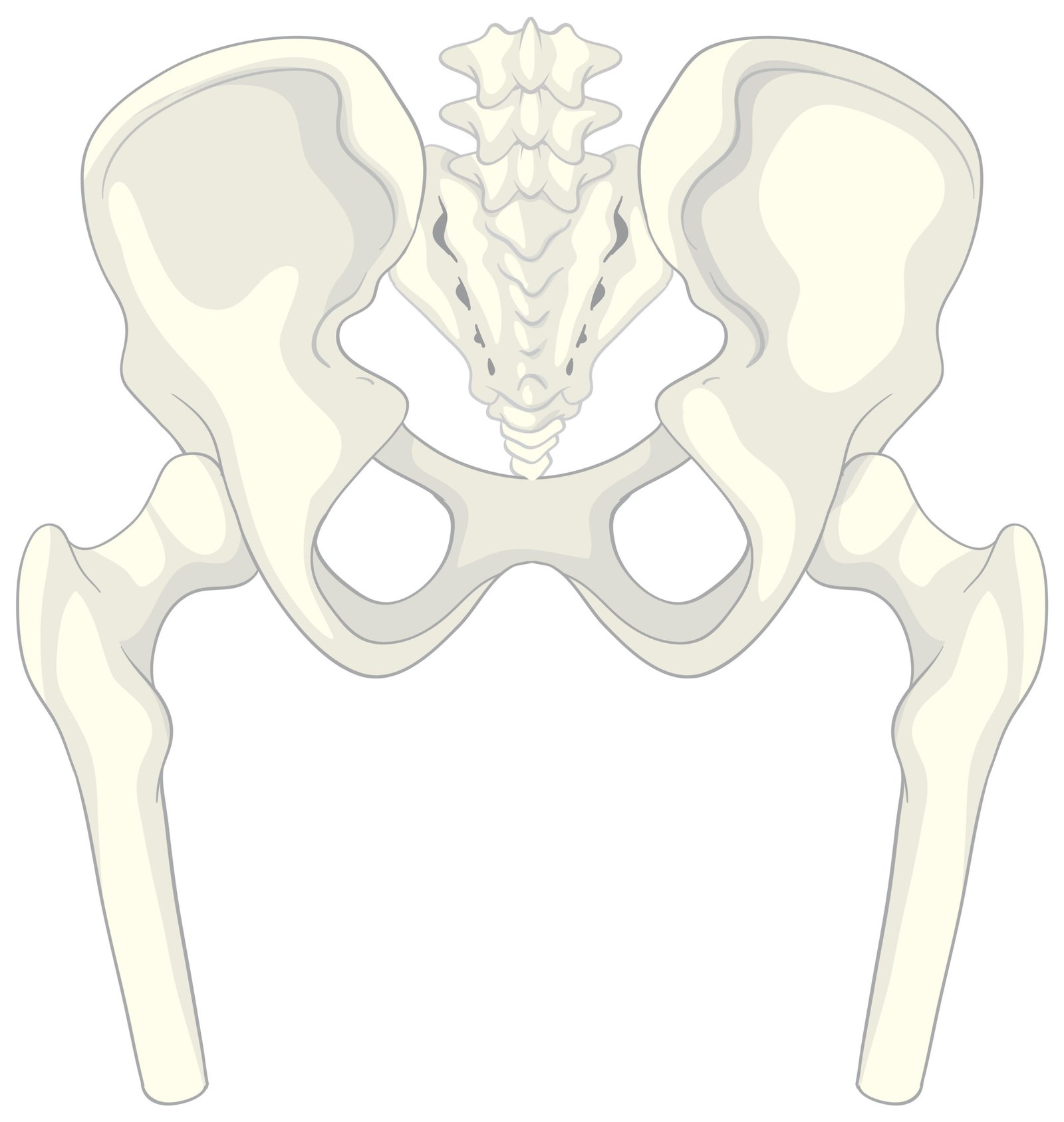
Pelvic Inflammatory Disease (PID) is the hot issue of medical science these days. This is an infection of female reproductive organs that causes damage to female’s ovaries, uterus and fallopian tubes. It happens due to an untreated asexually transmitted infection (STI). Common symptoms include vaginal discharge, stomach ache, and lower abdominal pain. Antibiotics are usually used as prompt PID treatment. These medications help reduce complications related to PID such as infertility.
What is Pelvic Inflammatory Disease (PID)?
Undetected bacterial STI turns into PID. That’s why it remains untreated for a longer time. Its symptoms are similar to breast infection but it’s a totally different case. Pelvic Inflammatory Disease is a serious infection that causes damage to your pelvic area including your ovaries, uterus and fallopian tubes. The causative bacteria spread from your vagina to your reproductive organs. The bacteria come into existence in your vagina due to an untreated sexually transmitted infection but studies also confirmed that the naturally occurring bacteria in your vagina can also cause PID.
PID causes severe pain in lower abdominal parts near and around the pelvis. Unusual leaking from vagina and damage to reproductive organs are its severe consequences that affect your overall health. This infection also causes infertility and prevents you from getting pregnant. So, whenever you feel any unusual discharge from vagina or pain in the pelvic region, get tested for STI to prevent PID.
How Do You Get PID?
Unprotected sex is the main cause of STI that leads to PID. During sex harmful and infection causing bacteria enter your reproductive system through vagina and damage them.
How Common is Pelvic Inflammatory Disease?
According to an estimation, around one million females in the country get affected by PID every year. Studies also showed that the fertility rate in the country is increasing day by day due to PID. People are becoming infertile most frequently within the age limit from 20 to 30.
Signs and Symptoms of PID
Symptoms of PID are usually mild and unnoticeable. You often can’t recognize them. They start appearing suddenly and don’t give much time after causing damage. Common signs include:
- Fever and chills.
- Irregular menstruation.
- Cramping and sitting throughout the month.
- Pain in stomach or lower abdomen.
- Vomiting and nausea.
- Unusual abdominal leakage with a bad odor and c;lors like yellow or green.
- Tenderness in the belly region.
- Burning whole peeing.
- Pain during sex.
Specific Areas of Pain During PID
The severe pain occurs in your lower abdomen when you get infected by PID. It also causes aches in your pelvic region. Your belly area including pelvic region is felt tender and sore.
Causes of Pelvic Inflammatory Disease (PID)
Bacteria entering your reproductive system through sexual contact are the main cause of PID. These bacteria are transferred to your reproductive tract through vagina from your cervix up into your uteri, fallopian tubes and ovaries. Your cervix usually tries to stop the bacteria from spreading deeper into your reproductive tract. But a certain type of infection disrupts your cervix and it can perform its job in a better way.
Different types of bacteria contribute to causing PID, but the most common types include chlamydia and gonorrhea. Both of these bacteria enter your vagina through unprotected sex. 90% of PID cases are caused by these two STIs. A smaller number of PID cases are also observed with the invasion of normal naturally occurring bacteria from your vagina and cervix. These bacteria enter your reproductive tract and cause infection. It usually happens after:
- Insertion of an IUD (intra-uterine device).
- Child birth.
- Miscarriage.
- Pelvic surgery.
How Long Does it Take to Appear PID Symptoms?
When chlamydia or gonorrhea cause PID, its symptoms often take a few days to several weeks for development. However, PID caused by normal bacteria shows its symptoms after several months.
Does Douching Cause Pelvic Inflammatory Disease?
Many students have supported a link between PID and douching. Experts say that douching can lead to bacterial vaginal infections. However they don’t give a clear and authentic verification for the association between douching and PID. Healthcare providers generally avoid douching and discourage people from douching.
Is PID Contagious?
PID is a contagious infection because it spreads through sexual contact.
Who’s at More Risk of Getting PID?
Risk of getting infected by PID increases many folds when you:
- Are younger than 25.
- Are sexually active.
- Have a sexually transmitted infection (STI), especially chlamydia or gonorrhea.
- Have PID in the past.
- Have had pelvic surgery or tubal ligation.
- Have many sexual partners or do sex with a person who has multiple sex partners.
What are the Complications related to PID?
PID affects more severely when it is left untreated for a longer duration. Persistent infection causes scars in your fallopian tubes that leads to several health disorders, including:
Tubo-Ovarian Abscess (TOA): This is an infectious outburst that makes you sick severely. It causes pelvic disorders that lead to infection spreading to ovarian areas.
Infertility: It is the greatest side effect of PID. According to studies, 10-15% of people become infertile due to PID. It causes infertility in females by blocking the fallopian tubes with discarded tissues. This prevents the release of an egg and makes you unable to get pregnant.
Ectopic Pregnancy: Ectopic pregnancy rate is higher in the people affected by PID as compared to those who don’t have PID. It causes scarring in your uterus that prevents a fertilized egg from moving inside the fallopian tubes.
Chronic Pelvic Pain: People with PID commonly bear a long-lasting pelvic pain. According to students, 20-25% people with PID develop pelvic pain that lasts until it is treated.
Diagnosis of PID
Onset of symptoms of PID is the indication of an alarming condition. so , it is good to see your healthcare professional right away. Try to get care as soon as possible after symptoms, it may increase the chances of getting recovered soon. Although, healthcare still have no specific test to diagnose the infection but they usually diagnose it through:
- A thorough examination of your pelvic region including your reproductive organs. They check the presence of pus and tenderness in those parts.
- Observing a vaginal culture from vaginal discharge. They look for specific bacteria which cause PID.
- Asking about your medical history, including your symptoms, general health condition, and sexual activity.
Common Tests for PID Diagnosis
Sometimes, healthcare providers may ask to go through some tests like:
- Ultrasound.
- Tests for STIs.
- Urine tests to check out certain urinary tract infections that cause a pain similar to pelvic pain.
In severe situations, your doctor may recommend:
Laparoscopy: They make small incisions in your pelvic region and insert a smaller camera like instrument inside. The instrument captures clear images of the inside of your reproductive horns. The images give a definite and clear look that helps them to make a treatment plan.
Endometrial Biopsy: Your doctor takes some tissue samples from your uterine lining and tests it to diagnose the infection.
Treatment and Management of Pelvic Inflammatory Disease
Prescribed antibiotics are the general treatment option for PID. You can take them orally for 15 to 20 days. You have to continue medication for the prescribed days even after feeling better. Because antibiotics have a certain way to eradicate the cause of infection. Sometimes, patients feel better and it seems that the infection has gone. But the healthcare provider still recommends the visit after a few days because they want to check if the symptoms return. This is the way to check if treatment is working.
Sometimes, symptoms still persist even after taking medication regularly. If you experience such a situation, visit a nearby hospital to get antibiotics through IV. IV medication is essential, if you:
- Are pregnant.
- Have a collection of pus in your ovary or fallopian tube.
- Are very sick due to a severe infection.
You can’t have sex during treatment. After treatment, you have to use condoms for sexual contact every time. This may reduce the risk of infection.
Is Surgery Needed for Pelvic Inflammatory Disease?
In most cases, healthcare providers and specialists do not recommend surgery but rare cases need surgery. Rare cases include persistent symptoms or presence of pus even after taking antibiotics. In every situation, you need a recommendation for surgery from a specialist.
Does Your Partner Need a Treatment for PID?
If you’ve been diagnosed with PID, inform your sexual partner. They should also go to the hospital for a proper checkup. If the results are positive, they need treatment because if they don’t do so, you may get PID when you resume sex with them.
Is There any Cure for PID?
A prompt diagnosis plays a vital role in treatment procedures. If you get an early diagnosis for the infection, antibiotics can help you recover. However, there;s no example to reverse the damage that has already happened to your reproductive organs. Late treatment reduces the chances of infection eradication. So don’t waste time, contact your healthcare professional as soon as possible after diagnosis.
How Does PID Affect Fertility in Females?
Studies have found that out of 8 PID affected females experienced inability to get pregnant. About 25 to 30% PID patients are diagnosed with infertility each year. If someone has repeat infections, they experience a harder time getting pregnant.
Studies also show that people can get PID again even after getting a proper treatment. Getting PID and its treatment once doesn’t protect you from getting it a second time.
After a complete treatment and finishing the antibiotics, prescribed for treatment of PID, you should wait for a week to resume sex. Waiting for resuming sex can help prevent re-infection.
In addition, research has confirmed that sex between women can increase the risk of PID. This is because bacteria residing in vagina cause PID and they easily transfer from one to another vagina.
Prevention of Infection
Sexually transmitted bacteria are the genuine cause of PID but the matter isn’t so simple. Because PID also can be caused by normal vaginal bacteria travelling to your reproductive organs. You can lower the risk by avoiding douching.
Experts suggest that PID happens often due to unprotected sex. Taking steps to have safe and protected sex also can lower the risk of developing the infection.
You can protect yourself from sexually transmitted infections (STIs) that can cause PID, by:
Choosing Barrier Methods of Birth Control: This includes use of diaphragms and condoms. Combining the barrier method with spermicide can also help.
Seeking Immediate Treatment: If you notice symptoms of PID or STIs, get a proper treatment as soon as possible. The common signs include severe pelvic pain, unusual vaginal discharge or bleeding during menstruation.
Choosing Limiting Sexual Partners: Having multiple sex partners increases the risk of developing PID. so limit your sexual partner so that you have protected sex.
Getting Regular Checkups: Regular gynecological checkups and examinations can help diagnose the symptoms promptly. Identification of any cervical infection also helps the provider to take immediate preventive steps to stop the spreading of infection to your reproductive organs.
Living with PID
Whenever you feel symptoms of PID, visit your nearby healthcare provider for getting proper treatment.
Top tips for taking care of yourself whale fighting with PID include:
- Avoid douching to prevent bacteria moving upward from your vagina to your fallopian tubes and uterus.
- Use condoms or dental dams every time during sex to protect yourself from infections like STIs.
- Wait for one week before resuming sex after you or your partner have finished medication.
- Return to your healthcare provider a few weeks after starting medications to see if treatment is working.
Conclusion
As a female, your reproductive organs are at higher risk of developing Pelvic Inflammatory Disease (PID). This is a sexually transmitted infection. Pin i lower lower abdomen is the common symptom of PID. If you experience the pain, contact your healthcare provider. After diagnosis, the providers prescribe certain antibiotics to treat the infection. Prompt diagnosis and proper treatment are keys to recover soon. Infertility is the biggest complication of PID. you can avoid it by taking an in time treatment. You should also get checkup for PID checkup. PID can be prevented by having protected sex like using condoms or having limited sexual partners.