Bacteria cause an infection through food, known as Listeria Infection or Listerosis. Pregnant women, people with age more than 60 and weekend immunity are its easy targets. All food is not contaminated with this pathogen but some foods are its great reservoirs. For example, deli meats, dairy products, and soft cheese are more likely to be tainted by bacteria than others. Listeria doesn’t affect healthy people but it proves fatal for newborn and unborn babies if they have a weekend immune system. Immediate and in time treatment procedures can help reduce the severity of infection symptoms. It is a common observation that most bacteria can’t survive freezing or refrigeration but Listeria bacteria can survive in these conditions too. So eating should be mindful and always select the right food to avoid this infection. Choose your food mindfully and stay away from the foods that are the obvious source of spreading listeriosis.
According to recent research, the Food and Drugs Authority in the country have announced a list of some foods that may be more contaminated with Listeria causing bacteria, Listeria monocytogenes. Researchers gave a nationwide call to say that some of the poultry products, packaged meats and deli meats are becoming a major cause of Listeria outbreak.
In addition, Disease Control Department in the country have also reported a great number of people suspected with the Listeria bacteria but the number of people affected by Listeria Infection is higher than reported by the department. The Disease Control Department has warned the public that listeria infection is a food-borne disease, which specifically affects pregnant people than others. According to reports, people having listeria infection had been reported eating ham, turkey or liverwurst. The infection is spreading in the mid-west to the East coast areas of the country.
What is Listeriosis?
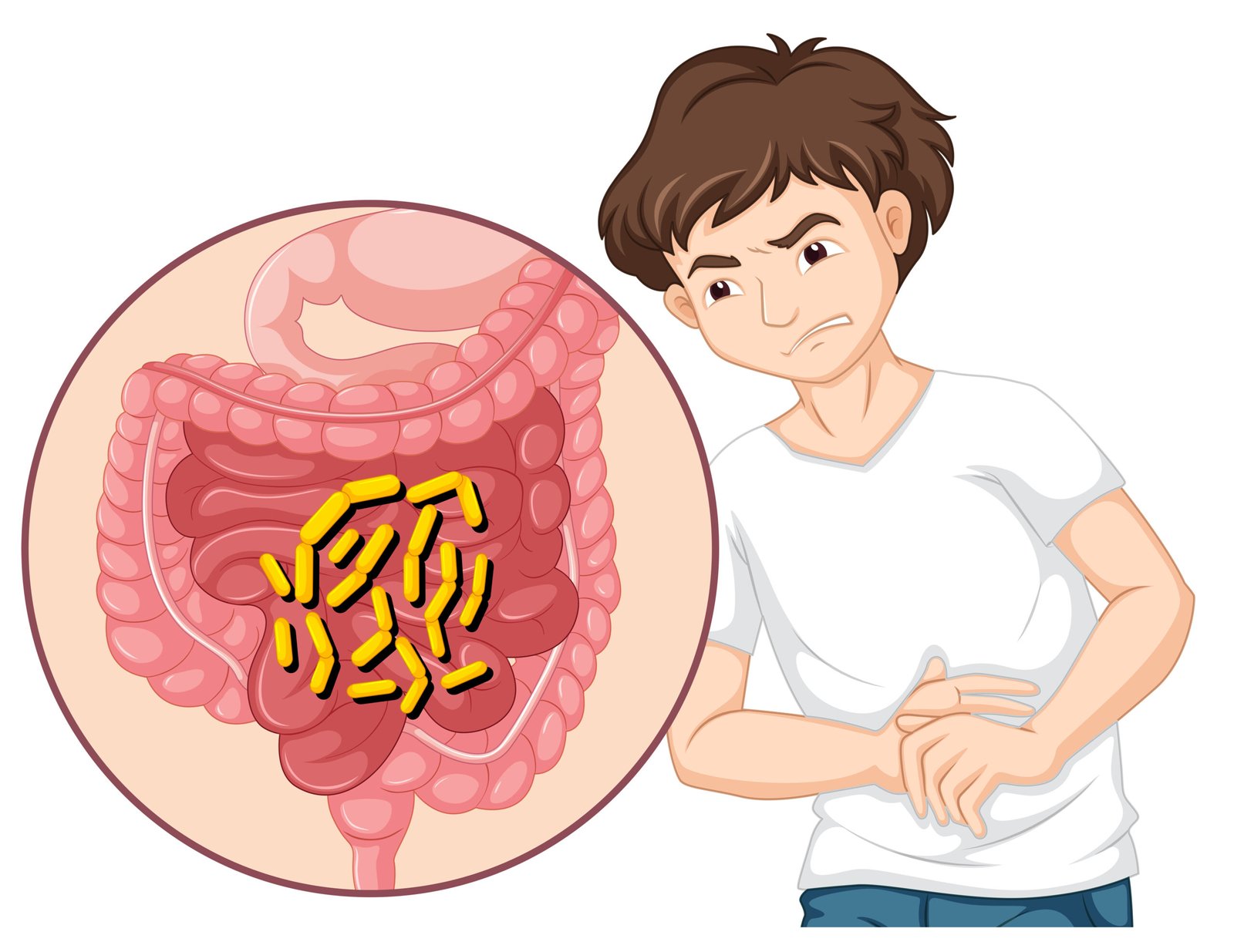
Listeriosis is a type of food poisoning that is caused by eating food contaminated with a bacteria, Listeria monocytogenes. The infection is commonly known as listeria.
Listeria is diagnosed by its common symptoms,including vomiting, diarrhea, headache, and fever. However, these symptoms are found in healthy people if they are caught by the infection but in people with weakened immune system listeria infection causes risk of life-threatening complications. Pregnant people and people older than 60 can have more serious and fatal complications and symptoms. Pregnant people, even, can pass the infection to a newborn during pregnancy or vertical transmission (delivery). This can lead to life-long health issues for newborn or even pregnancy loss.
Symptoms of Listeria Infection
Its common symptoms include:
- Fatigue.
- Fever.
- Nausea.
- Vomiting.
- Diarrhea.
- Headache.
- Chills.
- Joint or muscle pain.
People affected by infection usually don’t show all symptoms but when the bacteria invades your digestive system you may have more serious symptoms, including:
- Seizures.
- Loss of balance.
- Confusion.
- Stiff neck.
How Long Listeria Exposure Can Make You Ill?
When you eat contaminated food, listeria symptoms start appearing after 10 to 15 days. Pregnant people even don’t show any symptoms but they silently pass the infection to the fetus. Therefore, it is suggested that pregnant people should be more careful white choosing what to eat. Their food selection or careless eating habits can cause serious illness to the newborn or unborn.
Symptoms during Pregnancy or in Newborns
During pregnancy, listeria infection just causes some mild symptoms in the affected person. But the baby gets devastating infection symptoms. Even babies can die in the womb or carry life-threatening symptoms that appear within a few days of birth.
Common symptoms of listeria infection appear in newborn include:
- Low birth weight.
- Vomiting.
- Little interest in feeding.
- Little to no energy.
- Crankiness.
- Trouble breathing.
- High temperature like fever or low temperature, called hypothermia.
Causes of Listeria Infection
A contagious infection known as Listeriosis is caused by the bacteria named, Listeria monocytogenes. If it affects a pregnant woman, surely it will be transferred to the fetus.
What Type of Foods Can Get Contaminated with Listeria Bacteria?
Some foods are more likely to be contaminated with listeria infection, including:
- Unpasteurized fruit juices like apple cider.
- Raw sushi.
- Deli meats, hot dogs and cold cuts.
- Sprouts.
- Meat spreads and pureed meat.
- Raw, unwashed fruits and vegetables like melon.
- Cold smoked fish like lox.
- Unpasteurized dairy products such as ice-creams, cheese and milk.
- Soft cheese like Camembert, and Brie.
Is Listeria Contagious?
Listeria infection isn’t contagious. This means it doesn’t spread to people around you.
Risk Factors
Risk of dying with listeria infection get higher if you’re:
- Living with a weekend immune system due to excessive use of immunosuppressant medication or any illness.
- Older than 60.
- Pregnant.
According to studies, people affected by listeria infection also experience some gastrointestinal symptoms that can be resolved quickly without any specific treatment plan but high risk groups are particularly vulnerable. Researchers also reported that its symptoms usually appear within two weeks of eating contaminated food. However they can manifest as soon as possible but sometimes as late as 3 to 4 months. So pregnant people often have very mild symptoms like tiredness, fever or muscle aches but they can convert into serious symptoms that lead to premature delivery, life-threatening infection to the newborn or even pregnancy loss. Therefore, pregnant women may experience mild fever, chills, tiredness and muscle aches along with additional symptoms like confusion and headaches.
In addition, people with age more than 60 or a weakened immune system can develop dangerous symptoms of listeria that can enter their brain and blood stream. This serious invasion usually makes you end in hospitalization and even causes death in 90 percent of cases.
Why has Deli Meat been Considered the Most Dangerous Cause of Listeria?
Research has confirmed that deli meats sliced at the counter carry a lot of bacterial contamination. Listeria is one of the most abundant types of bacteria that is found in pre-package deli meats. Packaged or pre-packaged, both types of deli meats are major sources of listeria infection. However, pre-packaged options have less risk of spreading the infection if you don’t get in contact with other products.
In addition, when sellers slice the meat at the deli, a large number of listeria bacteria enter the meat and other foods. Surfaces and equipment used to slice the meat act as harboring bacteria that often leads to contamination of other products prepared in the same area. This practice increases the risk of bacterial growth in deli counter food products. Therefore, expats suggest taking precautionary steps to prevent bacteria in the food in that place. Food manufacturing and handling practices need more vigilance and care. So, if you ever have bought any deli product that may have risk contaminated with listeria, throw them away immediately. This step will ensure your well-being and safety.
What are the Precautions for People at Risk?
People having weakened immune systems, age more than 60 or pregnancy should be more cautious about listeria. Adding some safety measures while eating certain foods can help avoid the risk of developing listeria infection. The foods should be eaten with safety measures include:
Soft Cheese or Mexican Style Cheese: Avoid eating these types of cheese, even if they are prepared with pasteurized milk. Blue cheese, brie, feta and Camembert are the examples of soft cheese while Mexican style cheese include queso fresco and queso blanco.
Deli Meats and Hot Dogs: Avoid eating them. If you want to eat these things, reheat them until steaming hot. Fluid from hot dogs packages is not good but full of contamination. Keep this fluid away from other food products. Wash your hands carefully after handling these products. Don’t use any hot dig package stored in the freezer for more than one week. Always use closed packages within two weeks. Refrigerated deli meats or sliced meats should be used within 4 to 5 days.
Meat Spreads: Avoid eating refrigerated meat spreads that have been sold at a meat counter or deli. Never use meat spread from a store’s refrigerated area. Prefer canned meat spreads or shelf-stable spreads because they can be stored safely at room temperature. After opening their can, refrigerate them to keep pathogens away.
Smoked Seafood: Prefer to eat smoked seafood in cooked dishes. Jerky, lox, and kippered are its examples. The best ones are canned or shelf-stable smoked seafood.
Raw or Slightly Cooked Sprouts: Eat sprouts after cooking them thoroughly. Otherwise they will transfer their contamination to you.
Cut Melon: Try to eat fresh fruit. When you purchase a fruit, eat it right away.You can refrigerate it for some time. But keep in mind to set the temperature of the refrigerator lower than 42 degrees Fahrenheit. Never use a cut melon that was left at room temperature for more than three hours.
Raw Milk or Unpasteurized Milk: Always avoid using such milk products.Only use pasteurized milk and products.
Complications of Listeriosis
Serious complications are associated with listeriosis, especially when it affects your parts of the body other than the digestive tract. Common complications include:
- Pneumonia.
- Urinary tract infection.
- Endocarditis (inflammation of the heart).
- Osteomyelitis (inflammation of bones).
- Periotonitis (inflammation of abdominal organs).
- Encephalitis (inflammation in your brain and spinal cord and the lining of the brain).
- Septicemia (multiplication of bacteria in your blood makes them invading to the parts of body)
- Preterm birth, still birth or miscarriage.
- Sepsis, organ damage in response to a serious infection.
- Death ultimately.
People who got infected with listeria from the time of birth or caught their brain by the infection at any stage of life have more risk to have long-lasting side-effects and health conditions. These include:
- Paralysis.
- Developmental differences and delays.
- Seizures.
- Organ damage or failure.
- Blindness.
Diagnosis of Listeria Infection
Tests are the most reliable source to know for sure if you have listeriosis. People often don’t go for a test especially if the symptoms are mild. Your healthcare provider and suspect the symptoms related to listeria. They can help you find the cause where you get the infection. They perform some tests to confirm if you have eaten contaminated food or there are other causes of infection. They also ask you to perform some blood tests, fluid tests to check the presence of bacteria there.
Popular tests to diagnose the infection include:
- CT scan or MRI for your brain, especially if you have neurological symptoms.
- Blood culture.
- Placental tissue examination, especially after giving birth.
Treatment Options
Doctors and healthcare providers usually prescribe antibiotics for the treatment of listeriosis. Ampicillin and sulfamethoxazole are the common antibiotics used for this purpose. The important thing is to follow the complete course of medications as prescribed by your healthcare provider. This will make you feel better in a short time. However, overlooking the prescription method or taking these antibiotics without any prescription can cause the increase in the severity of symptoms.
In addition, if you’re not pregnant and have strong immunity , you might not need any medication or treatment. You just need medical help if:
- You’re pregnant.
- Older than 60 years.
- Have weakened immune systems or have listeria infection already.
- You have eaten or drunk something contaminated with listeria causing bacteria.
- Your baby was born with listeria infection.
- You don’t get improvement in your symptoms even after a week of treatment.
Prevention
Certain food safety guidelines can help prevent risk of getting listeria infection, including:
- Use a scrub brush to clean raw fruits and vegetables with water before eating.
- Never use unpasteurized dairy products and juice such as ice-cream, milk, cheese and yogurt.
- Keep our refrigerator clean.
- Cook seafood, egg dishes and hot dogs on a high temperature.
- Wash your hands before cooking and eating food.
- Avoid refrigerated meat spreads, deli meat or frozen food especially if you’re pregnant.
- Heat up your frozen or refrigerated food properly at high temperature, this will kill bacteria that cause listeria.
Conclusion
Listeria infection is a dreadful example of food poisoning. Most digestive health conditions are the result of eating or drinking contaminated food. Listeria bacteria cause serious health conditions especially for those who are pregnant or living with a compromised immune system. Paying attention to food and talking to your doctor about how you can protect yourself from contaminated food can help lower the risk of listeria infection.