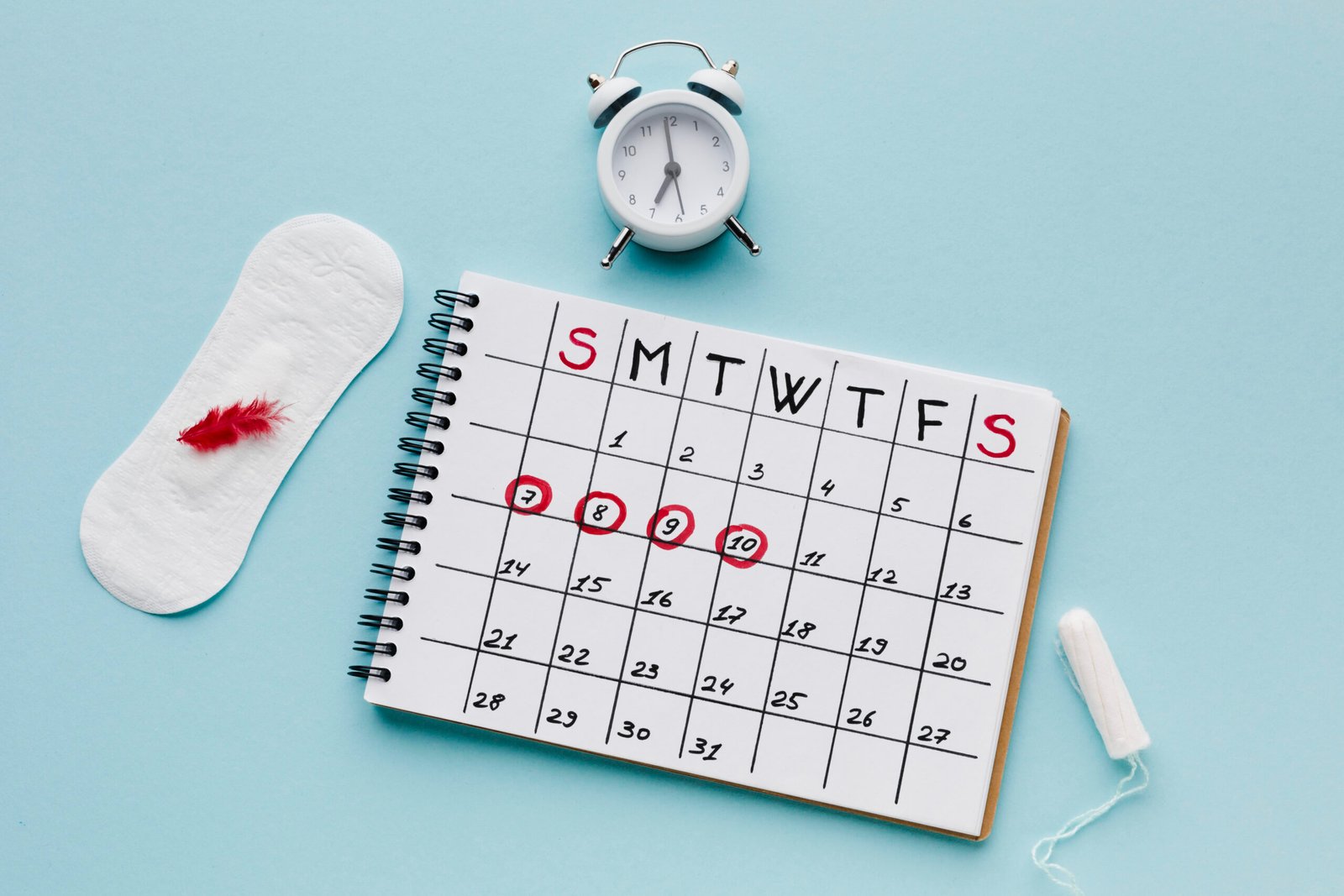
Period taboo was a thing long before the 80s. It was 1985, when menstruation and Changes in Periods was first discussed on national social platforms. There are a lot of rules and regulations for periods according to different religions, cultures and societies that tell you about what to do and not do during periods. If you observe that things were related to periods long before the present era, you may feel ashamed of thinking about periods. But thankfully, things are changing now.
No doubt, modern thinking is helping in shedding the period taboo but a lot is still there to be corrected or changed. You can also play a part in the period taboo by talking about it openly, call it what it is simply. Call it a natural phenomenon that affects the female community only. Don’t take it as a “shark week”. Just deal with it as a natural function of the body that is linked with blood, pain, sadness and sometimes relief also. Another thing need to be explained is that it is not about female hygiene, it is menstruation.
This article is for you if you want to know about periods and how periods change as you get older.
How to Consider Pain during Periods?
It is a common observation that many people do not take period pain seriously. Especially, at a young age, people ignore it whether it is bearable or not. It’s because many of you are taught that this was just how it was gonna be. But it’s not true because your pain matters a lot.
If you experience any of the following during periods, seek a medical assistance as soon as possible from a professional healthcare provider:
- Painful periods.
- Long periods.
- Pain in the pelvic region.
- Heavy periods.
- Pain in the lower abdomen.
- Lower back pain.
These are the signs that tell you about menstrual disorders that can harm your health. Many people are diagnosed with menstrual disorder later in their life. But it doesn’t mean that they experience those things at that time. They were actually experiencing all these difficulties at the start of puberty but never had discussed it. They just had confirmation when they discussed it openly with their doctor about it.
Therefore, it is dangerous for you to hide such signs or not discuss them. No matter how old you are, you deserve better treatment for these disorders.
Teens or Tweens: It’s not a Matter of Embarrassment
People usually get their first periods around the age of 13 to 15 years old. It is valid for all around the world. It is an average age for string periods but if you are younger or older it’s normal. Bunch of factors affect menstruation. So it depends on these factors when you first get your first periods. These factors include:
- Your physical health.
- The food you eat.
- Your body mass index.
- Your genetics.
- Where you live.
- How much exercise you do.
Medical analysis explained it clearly that in the first few years your periods remain irregular and unpredictable. You may go without it and then have a red flood. That’s why experts say that start-off periods are very similar to menopause because at the start of periods and at the end of it, you don’t ovulate.
Another research confirms that your menses are governed by your hormones. All the physical symptoms of menstrual cycle including pain, cramps, breast tenderness and emotional mood swings all, are under the influence of hormones that your body releases during menstruation. But two of these hormones actually control the white cycle, Estrogen and Progesterone. The firmer is specialized for the growth of the uterine lining while the latter one functions to regulate the growth. So, when you’re not ovulating, you actually don’t have a control on the regulation of growth of uterine lining. Therefore, you get unpredictable periods. They even come suddenly and sometimes don’t come for longer. Sometimes, they get heavy and sometimes you gets mild bleeding. People initially often get irregular periods, so take it normal and don’t think much about it.
It is a common observation that at the beginning, when people get light periods that are for about a week or even get two periods within a month, they get confused and worried and start taking polls to make them regular. But it creates a fuss.
Although it’s normal that at first, you may feel shy and confused, or even frustrated about your period, keep in mind that brand new things often have messy experiences. The irises are also a new function for your body that involves a very intimate part of your body. So, its irregularity at the beginning is not a matter of worry at all.
Sometimes, the fear of leaking also makes you anxious about periods. Therefore, they were petrified of stuff like that they use to go to the bathroom every half an hour for checking the leakage.
According to experts. Females who get supportive and caring parents who talk with them about other periods and discomforts they experience during periods, feel more comfortable and less painful about periods. They don’t have a fear about the beginning of periods because they can share their feelings and difficulties openly. Making it easy to discuss periods with men can help females to spend their menstruation duration more comfortably and peacefully.
Society has to learn that periods are not a negative thing. It is something that every woman has, so it’s nothing to be embarrassed by.
The 20s: Getting into Groove
In the beginning, periods attract your all attention but what do you think about it when a little more time passes?
In your 20s you are at the age of fertility. This is the stage of life where your body gets fully prepared to have a baby. This means at this age your periods become more regular. When you get a little more mature going through the menses stage, you start ovulating. This means that you start having a more regular monthly menstrual cycle. Very few people complain about any abnormal thug during their 20s.
But this doesn’t mean that at the age of 20, you’re reading this article and start thinking about having children. You may have children. If you’re not willing to have children at this age, you can wait for the accurate time. Sometimes, females start taking birth control to stop pregnancy. Because birth control wouldn’t disturb your cycle at this age. However, it is a matter of concern to find out the type of birth control that is right for you. Some types of birth control or contraceptives can create all sports of changes, out of some can be negative enough for you to switch.
Some studies show that people often use copper IUD for birth control and that they start having much heavier periods.
Period Sex: To Have or Not to Have
The age between 21 to 30 is the adult stage. During these years you may figure out adulting and start exploring about sex or what type of sex you enjoy the most. You may also start finding out about period sex and how you feel about it.
Studies show that people usually turn o right at the beginning of a cycle. Therefore, it’s very rare that anyone has sex on their heaviest two days of cycle because they get so cramped and bloated during the first two days. This time when almost all women just want to take a rest and eat some snacks to get relaxed.
However, women near the age of 29 usually find it OK to have sex during periods. This means period sex is a difficult thing for younger people while people in their late 20s find it enjoyable.
Studies show having weird sex if you want it, is safe. You can do what you feel is good for you and your partner. But keep minions that sometimes it would be a bit messy.
When Do Symptoms Get More Meaningful?
During your 20s, you can easily figure out which symptoms may be a sign of menstrual disorder or a period condition. Some of these include:
- Abnormal bleeding cycles.
- Fibroids.
- Painful periods.
- Polycystic ovary syndrome (PCOS).
- Premenstrual syndrome (PMDD).
- Endometriosis.
Experiencing super heavy flow like Niagara Falls, having pain ,longer periods or anything else that looks abnormal in general, seek medical help from a healthcare provider.
The 30s: A Mixture of Experiences
When it comes to your period, 30s become a variety of symptoms, out of most are scaring. In your early 30s, you are overweight regularly and your steroids must look like it was in your 20s. However, sometimes they cause severe psi that means a lot.
Women in their 30s often complain about debilitating and stabbing cramps in their lower back and ovaries along with breast tenderness and insomnia that causes intense waves of emotions leading to unusual crying. These signs make you more touchy about your monthly menstrual cycle. With the passage of time, you start developing a defensiveness and order of your period. The menstrual cycle slowly binds you with the change in seasons, your living style and the cycle of life and death. Now, you may stop pissing off by cultural disgustingness or shaming of periods.
Getting Ready for Pregnancy
Biologically, your body is fully ready to have a baby in your 20s but it doesn’t mean you should do this. You still have more to do with your life. So it is better to talk about pregnancy during your 30s. The fertility rate is higher in women in their 30s, research says. So, you can have a baby from your 20s to 30 anytime according to your desire. But it is certain that you don’t have periods during your pregnancy. However, spotting may occur sometime.
Perimenopause
Some women start a brand new journey from their mid 30s, known as perimenopause. This is the 8 to 10 years before duration that leads up to menopause. Perimenopause is the indication of less production of estrogen and progesterone that eventually causes the complete end of periods at all.
So it is normal to start perimenopause after your 30s. Most people get into this phase during their 40s. However, feeling abnormally severe pain means you need medical care.
The 40s: the Guessing Game has Started
Your 40s always come along with a few pairs of undies because it resembles the early stage of the start of a period. Perimenopause is also full of unpredictable bleeding or stopping of menses.
Women during their 40s often experience high flow during the first four days then next three days with lighter bleeding. they then suddenly start missing their periods at the age of 45. Therefore, it’s obvious that the 40s is the common time for perimenopause. When you suspect that you’re at perimenopausal stage, look out for more related signs like:
- Weight gain.
- Loss of breast fullness.
- Hot flashes.
- Trouble sleeping.
- Drier than usual vagina.
- Chills and night sweats.
- Thinning hair and dry skin.
- Emotional ups and downs.
Perimenopause beginning is not a matter of worry. So it is not necessary to call your doctor. But you can discuss your symptoms to have suggestions about medications to ease your symptoms that are making you uncomfortable. The usual necessities for females who are on their perimenopausal stage are good nutrition, regular exercise, good sleep and moderate weight. These factors can help improve symptoms.
The 50s: The Menopause: Complete Stoppage of Periods
Your 50s are the officially final stage of menopause. It’s the time when you haven’t had periods for consecutive 10 to 12 months. This stage usually begins at the age of 51 to 55 years of age.
Many women say that their perimenopause symptoms are getting easy when their periods stop completely. This is the end of ovulation. However, some may get menopause earlier than their 50s and some may get it later.
People also experience hormonal fluctuations even after the menopause but most of them express the feelings of being comfortable and stopping if inconvenience after menopause.
Conclusion
This is a phenomenal fact that women had to face hormonal changes throughout their life that are more impactful to make hormones. One of the greatest hormonal influences is menstruation. It starts in teens and ends in the 50s or later. but its symptoms trigger different conditions in females throughout their life.
But we can’t do anything more than to give a comfortable environment to women around the world. So that they may talk about periods openly and share their painful experiences. Because talking about your flow can help you ease the symptoms. Let’s change our thinking about periods and talk about it freely!