
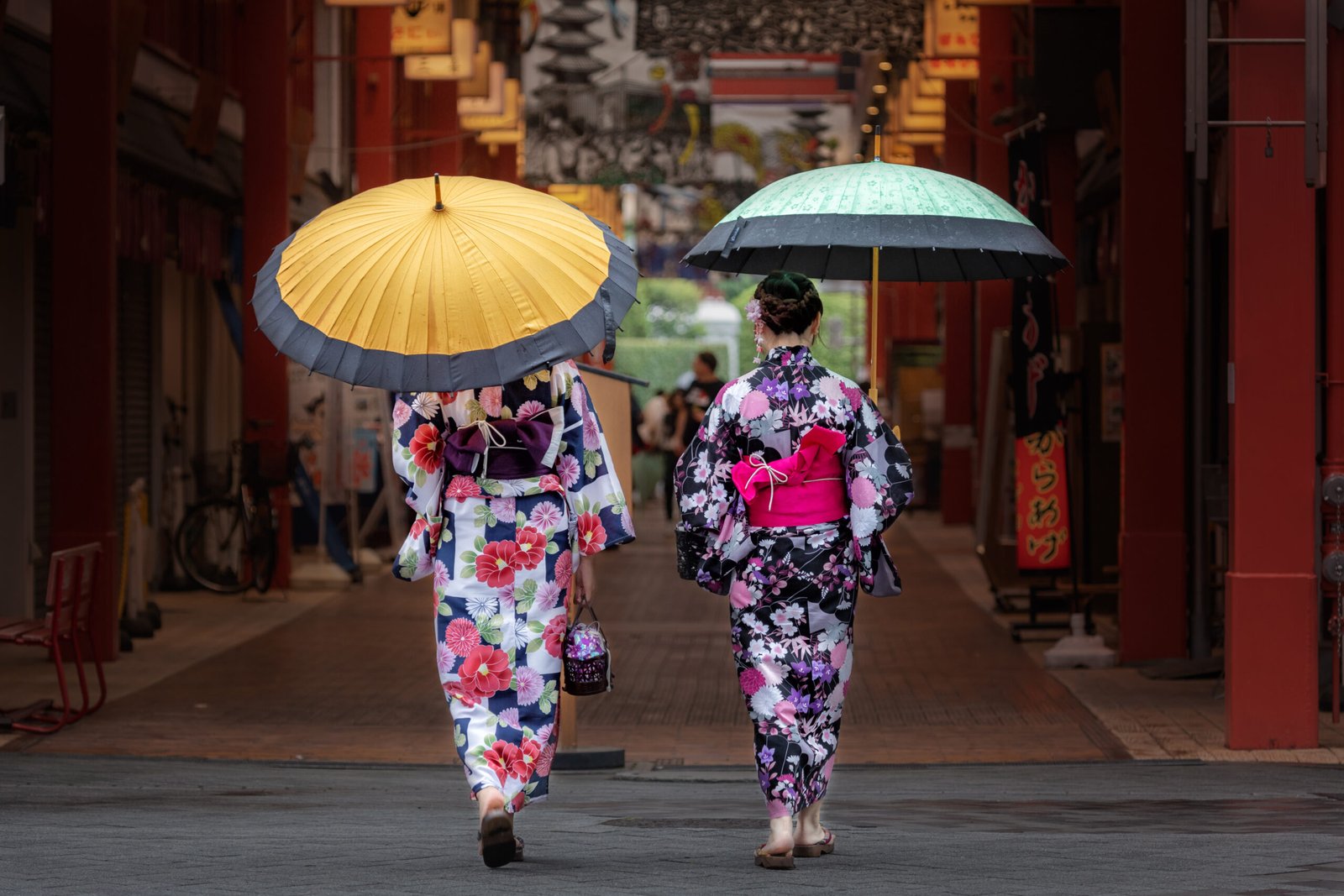
Japanese Walking is a new viral trend on social media. Experts relate it with a number of health benefits ranging from weight loss to heart health. However, science based opinions are necessary to rely on the potential health benefits of Japanese Walking.
In this article you will find some tips to test it for yourself safely.
What is Japanese Walking?
Regular exercise is often taken as a workout regimen or some gym related physical activity. But you will be astonished after learning that exercises are very simple acts. You can take it just as stepping outside for a short time. Fitting in a workout is not easy but getting into a better shape is always an interesting thing which you can do. So this interval walking training is known as Japanese walking. Japanese walking is the walking style with alternating short bursts of brisk walking followed by slower recovery intervals. People often tackle it wrong at first glance and assume that it is only about picking up pace and then easing off but the reality is not the same. Japanese researchers have explained that the structured rhythm of Japanese walking brings real benefits for you, including muscle strength, controlled blood pressure and a sharper mental approach.
As a regular exercise, you may know that many fitness trends are based on intense commitments and need specialized gear but Japanese walking is different in all aspects because it needs only you and your will. It is easily accessible.
This article will help you understand why you need Japanese walking, how it works, why it has been studied by scientists and in what ways you can incorporate it into your workout regimen.
Japanese Walking as IWT vs. HIIT
Japanese walking is also known as the term IWT developed by Japanese physical researchers. They have devised this physical activity to improve cardio-metabolic health in older adults.
The other type that is opposite to IWT is HIIT. This is a high intensity interval training that is difficult to perform and sometimes it is not easily accessible as compared to IWT. whereas IWT is suitable for all fitness levels and ages.
In addition HIIT exercise involves alternating between periods of rest or lower intensity and intense exercise or higher-intensity exercise for a predetermined number of sets. Here, the term intensity refers to subjective measures such as rate of perceived exertion (RPE) and heart rate. Intensity push can help you gain the same health benefits with less time if you workout in the gym. In expert’s opinion HIIT exercises are associated with higher risks of training-related injuries while IWT is considered safe.
Moreover, studies suggested that Japanese walking or IWT dialed down the intensity and have been found linked with improved glycemic control, physical fitness, and muscle strength. Japanese walking is a great way to meet the recommended 150 minutes a week of moderate-intensity aerobic activity.
Is there Science Behind Japanese Walking or IWT?
According to original science based research, Japanese walking carries measurable health benefits. The researchers announced the standard IWT protocol consists of alternating intervals of:
- 5 minutes of fast walking (around 75% of peak aerobic activity).
- 5 minutes of slow walking (25% of peak aerobic capacity).
- The recommended five to six sets of intervals amount to 30 minutes of walking per week.
Research has shown that more than 300 adults with an average age of 60 to test how IWT fared against traditional “continuous intensity training” walking. Researchers al;so claimed that Japanese walking is more beneficial than traditional walking as it delivers various health markers, including:
- Aerobic capacity.
- Muscle strength.
- Blood pressure.
- Blood glucose level.
- Body mass index.
The thing that makes it more special is the protocol was something you can stick with long term, while going IWT. Another subsequent analytical report was published in 2021 that 700 out of 835 subjects were able to follow IWT protocol for study duration of six months with a 90% adherence rate. According to a 2023 review of Japanese walking, the health benefits of IWT are for both middle-aged and older-aged people. But there may be a difference between individuals with certain metabolic diseases and healthy ones.
An older study had found that interval walkers can lower their blood pressure more than people walking at steady moderate pace. Their aerobic capacity also improves which plays a key role in promoting cardiovascular fitness. Many later studies suggested that IWT is directly linked with improvements in mood, better blood sugar control, stronger thigh muscles and improved sleep quality.
Researchers also explained the energy-expenditure and time-duration for continuous walking and interval walking. They found that IWT is superior for improving body composition, glycemic control in individuals with type 2 diabetes, and improving physical strength.
However, it is important to keep in mind that most of these studies are short-term, and the research on finding out the validity of IWT for health benefits is still out. The researchers are continuously working to compare IWT with other exercise methods that have been studied for decades. They are also trying to study the effects of Japanese walking in people with advanced heart diseases, significant mobility limitations, and serious joint issues. Medical clearance is important, so it is good to wait for the results of these cases.
Benefits of the Japanese Walking Method
The IWT or Japanese walking is the most advanced way of mindful approach to physical activity that may boost your physical health as well as your cognitive abilities. How is it possible? Let’s learn!
Improves Heart Health: Japanese walking plays a key role in controlling your blood pressure and aerobic capacity. This leads to the better working of your lungs and heart in handling daily demands with less strain.
Building Strength where it is Needed: Continuous and quick intervals make your leg muscles strong, which results in improved balance of body, reduced fall risk and standing up easier for longer duration. It also helps you carry heavy loads to long distances.
Better Management for Weight and Metabolic Activities: IWT is considered best to support healthier blood sugar levels and cholesterol levels in your body. It also helps maintain your energy levels and stabilize your overall metabolic activities.
Boosting Mood and Mental Well-Being: As a regular walker, you may notice that walking brings many health benefits like clearer mental approach, better sleep, and less fatigue. But these benefits appear after a few weeks of walking practices. Alternating brisk and slow walking intervals create a rhythm that provides energy to your body and recovery time to your mind, especially in stressed situations.
Easier to Perform than HIIT: You may like to stick with Japanese walking more than other workouts because it has a lower impact on your body and requires little to no equipment. It also becomes your long-term habit.
Top Tips to Try Out Japanese Walking Method
The Japanese walking trend doesn’t put pressure on your body to make it move. It is also gentle and best for mind clarity. So these tips may help you add it into your routine exercise regime.
Start with a Realistic Baseline
A 10 to 15 minute walk at an easy pace is a good and realistic start for IWT. While working at a slower pace, notice your breathing rate. If experiencing any discomfort note it carefully and check out its after effects. This is your baseline.
Choose an Interval that Satisfies You
Selecting an interval according to your needs can work for you in your present situation. Adding a 3-5 minutes warm-up and cool-down interval in walking also can be beneficial for you. Warming-up may include slightly quicker walking, gentle knee lifts, ankle circles and shoulder rolls. You can also add hamstring stretches, slow heel raises or easy strokes with light calf as cool-down steps.
However, conversation is banned during fast intervals but in slow intervals, you can talk easily.
Classification of suitable intervals for different fitness levels are:
Beginners: One minute brisk walk then one minute for slow walk. 5-7 rounds are enough.
Standard: Three minutes brisk walk followed by three minutes of slow walking. 5-6 rounds are necessary.
Short on Time: If there’s a shortage of timer, you just take one and half minute brisk walk then slow walk for the same duration. 6-8 rounds are necessary. But you also need warm-up and cool-down for around 60 seconds.
Use Simple Tools to Keep Yourself on Track
Watch to keep yourself on the pace while setting a repeat timer on your phone. People also like to use songs as cues. Choosing an upbeat track for your fast interval, and a chill one for a slower walk can help you perform it precisely.
Treadmill Setting that Work
In harsh weather conditions, it is good to use a treadmill. You can perform walking on treadmill according to your speed and incline that would match to your fitness level and provides comfort. However, you can also try a slow pace of 2.3-3.5 mph with 0-1% incline and a fast pace of 3.5-4.5 mph with a 1-2% incline.
Mind Your Form
You can maximize the benefits of Japanese walking by making a great focus on your form. You should keep your stride shorter a bit especially during fast intervals to keep it smooth. Other steps to add your firm include maintaining a tall posture, keeping your eyes fixed straight, and relaxing your shoulders.
Choose Right Shoes that Make You Feel Good
You don’t need a specialized pair of shoes for Japanese walking but the right choice for shoes while going for a Japanese walk can reduce your risk of blisters and aches. You just need to select a pair of supportive running shoes that are equipped with a good cushion.
In addition, a cozy walking or running shoe with proper cushioning and a comfortable heel is a requirement of Japanese walking methods, experts say. Feeling any cramping indicates to replace your shoes with a wider-tooled shoe pair that doesn’t hurt your feet. However, if you still notice discomfort in your feet, knees or ankles, try running to a shoe store to get a properly fitted one.
Make it Social
Try to plan a walk with your loved one or a close friend so that you may feel motivated during slow intervals. Designating an accountability buddy to text after Japanese walking is another good method to make it social. This thing makes your friendship mindful.
Keep Yourself Hydrated and Fueled Up
Never forget to take a water bottle with you when you’re going for IWT. This is the only essential gear you need during your walk. However, eating before walking is necessary if you’re doing it in the morning. The small eating before walking works as fuel for your body. Half a banana or a few crackers are enough for almost 15-20 minutes before Japanese walking in the morning.
Mind Your Joints
Sometimes, walking causes problems in joints. This time you need to walk on softer surfaces, such as natural trails or special tracks formed for walking in different race courses. You can use trekking poles to reduce load on your body. But experiencing persistent pain in joints needs a rest mode. Modification in walking style can also help you reduce pain. However, experiencing no improvement in pain means you should visit a healthcare provider.
Know the Red Flags
Your body is your actual companion. It always tries to tell you about your health. Listening to your body can help you save yourself from life-threatening conditions. For example, noticing severe shortness of breath, swelling in legs, chest pain or dizziness during or after a walk means you should stop. Call your doctor immediately if you feel any of these symptoms.
Conclusion
Japanese Walking or IWT is a well-known shorthand for the rainy approach. It is developed by Japanese researchers which involves walking quickly for a short time and then taking time to catch your breath. This walk is as beneficial for your mental health as for physical one. It helps improve our heart health, sleep quality, muscle mass, muscle strength and reduce stress.