
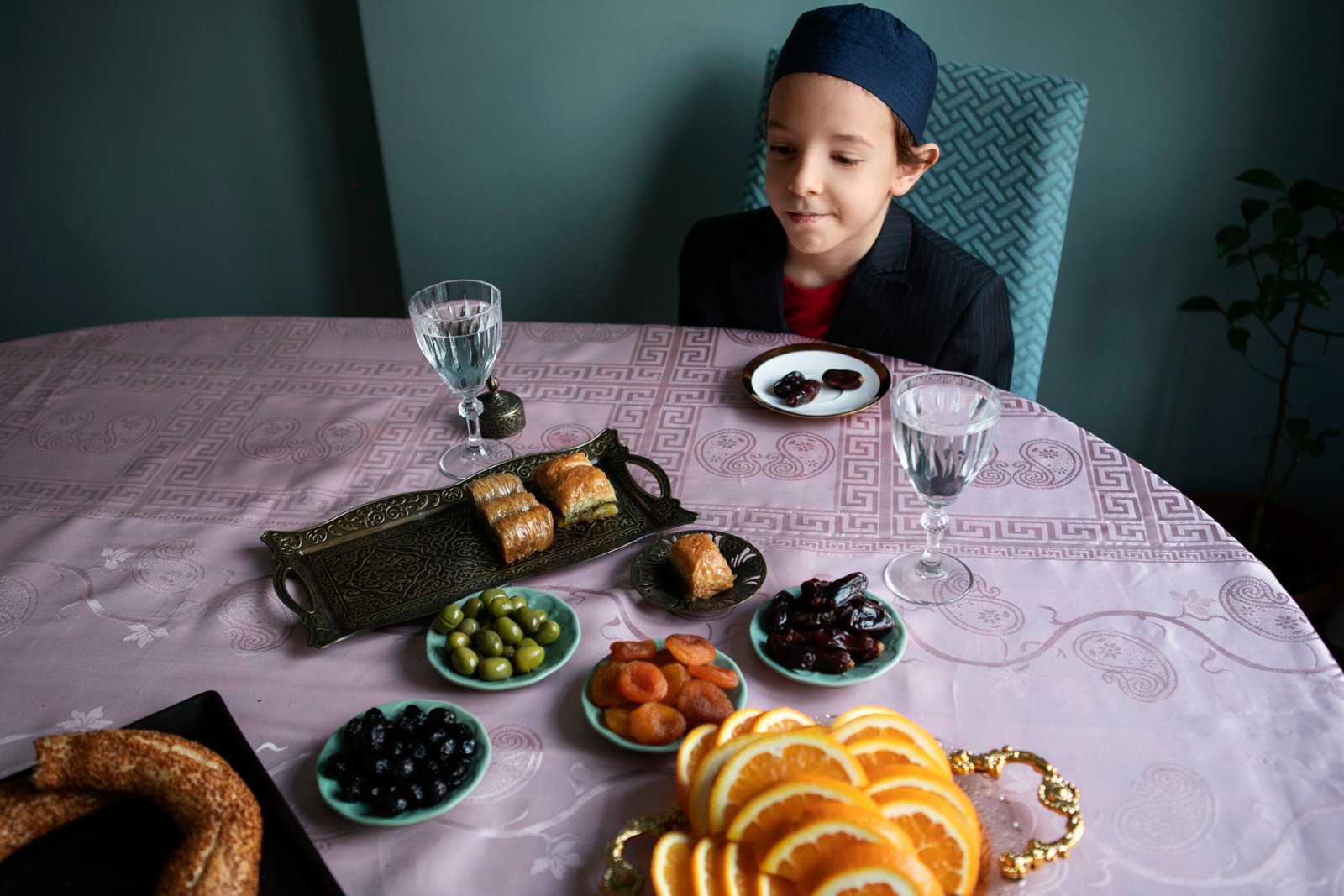
If you’re currently dealing with an eating disorder or have suffered from an eating disorder in the past, Fasting in Ramadan may lead to certain challenges related to your health and more. This means finding support, having a structured plan for dieting and practicing spiritual activities help avoid an Eating Disorder during Ramadan.
This article is explaining why you get involved with an eating disorder during Ramadan and how you can look after yourself during Ramadan fasting if you already have an eating disorder.
What is Ramadan About?
The spiritually enriched month of the year is Ramadan. Muslims all over the world wait eagerly for this pious month. They practice fasting during Ramadan and pay more attention to other types of prayers. According to the lunar calendar, Ramadan is the ninth month in which Muslims keep engaging in “syam”. They refrain themselves from eating and drinking food from dawn to sunset.
During this month, Muslims abstain from all other unnecessary activities and put efforts to make their relationship with Allah. They practice more virtuous actions like showing humility,generosity, giving charity, exercising spiritual discipline, abstaining from lying, getting angry, gossiping, back-biting and all types of wrongdoings. These practices actually remind them that what actually Islam (religion of Muslims) is teaching them. Families and even communities make arrangements to break fat together. They prepare and share food together generously. The end of this holy month brings a festive celebration Eid-ul-Fitr when every Muslims feels happy and enjoys it.
How Dies Ramadan Affect You If You Have an Eating Disorder?
If you have experienced an eating disorder in oat or are currently feeling the symptoms of it, your condition may get worse during Ramadan fasting. If you leave it unsupported, the symptoms can harm your overall health.
Ramadan actually creates disturbance in your regular eating routine and style. But you cannot stop acting because you may have religious or social pressure that emphasizes fasting during Ramadan.
What are Certain Exceptions to Fasting?
If someone doesn’t have an optimal state of physical or mental health, Islam provides dispensations for them. According to Islamic teachings, those with poor health or severe eating or other disorders can be exempt from fasting including sick, elderly people, children, people who’re traveling,pregnant women, breast-feeding women and menstruation women. These people have an exception to keep fat when they become physically fit and healthy. They also can offer compensation by feeding the needy.
How Can You Plan for Ramadan with an Eating Disorder?
Inability of fasting always causes a permanent shame and guilt for a Muslims. Because fasting during Ramadan is a matter of their relation with Allah. So, it is a time of great joy for a Muslim to make the bond stronger. But if you have an eating disorder and have fear of triggering the condition due to fasting in Ramadan, focus on these suggestions.
Set Your boundaries
Although Muslim cultures around the world appreciate and promote the idea of feeding with others during Ramadan. They like to make the evening meal (Iftar) a social event. Many Muslims prepare dinners and arrange Iftar parties for their loved ones, friends and family members. Community Iftars are also my favorite events.
However, you may sometimes feel uncomfortable to join these feasting events. If attending the meal parties at Iftar make you anxious, set your own boundaries and choose not to attend the party. You can excuse yourself from the conversations about feasting.
But keep it in mind that setting boundaries doesn’t mean to miss out the social and spiritual element of the Holy month. You can find opportunities to meet your loved ones at a mosque or during night prayer (trawih).
Make Time for Suhoor
Ramadan is characterized with many spiritual activities like waking up before sunrise to eat a morning meal (Sehri). Suhoor refers to eating to begin a day of fasting. Eating suhoor is essential when you want to fast because eating in suhoor enables you to preserve energy throughout the day. But eat thighs that are rich in protein, complex carbs and healthy fats. These foods make you full throughout the day and reduces the likelihood of feeling sluggish or fatigued during the day. You can also plan your meals or shoot in advance so that you reduce your risk of feeling overwhelmed when deciding what to eat as a morning meal everyday.
Keep a Ramadan Reflection Journal
Fasting during Ramadan is a great job because it requires self-determination and lots of self-control. In such a situation, keeping a journal is a great way to keep track of how you feel throughout the holy month.
You journal prompts may include:
- Do you enjoy some moments during the day?
- What emotions strike you about the food today?
- How can you make tomorrow better than today?
- Do you experience any anxious thoughts during the day/
- How did you overcome those thoughts?
- What do you plan to do to manage such situations in future?
Offer Salah (Namaz) as an Opportunity for Mindfulness Meditation
Namaz or Salah is offered five times a day in Islam. Every Muslim has to pray five times a day as an obligation. This activity provides them a break from their daily tasks and provides them time for mindfulness.
You also may use it as an opportunity to focus on yourself in a quiet place. Praying makes you focus on your movements, which is a form of mindfulness. Offering prayers regularly ensures better mental health especially for those who can’t incorporate mindfulness activities to their routine life.
Make Prevention Plans
People often think that Ramadan may intensify the symptoms of eating disorders or may cause recurrence of unwanted signs or behaviors. But actually it helps you put together a recurrence prevention plan before the holy mint or during Ramadan.
You can make a plan by including a list of:
- Coping strategies that had worked before Ramadan.
- Triggers and the ways to avoid them.
- People who can help you sincerely during challenging situations like your therapist or trusted friend.
- The tools you can use to reduce the risk of experiencing any hurdle or loss.
Focus on the Purpose of the Holy Month
It is important to remember that fasting during Ramadan is not only to abstain from eating and drinking. This month is actually a document to teach you about spirituality. Starving during Ramadan is not an activity , it actually creates a deeper sense of humbleness, gratitude and piety in people. Observing Ramadan fasting actually aims to practice generosity and patience to support overall character transformation that is essential for being close to Allah.
So, when you focus on the intentions of fasting, it helps you fulfill your spiritual needs.
Be Kind to Yourself
Ramadan is denoted as a month of Mercy and Patience. If you feel it difficult to fat during Ramadan due to an eating disorder, you need to extend some self-compassion for the emotional turmoil you are experiencing. You can use this holy month as an opportunity to value holistic well-being and overall health.
Focus on Other Ways to Make the Most of Ramadan
Ramadan is sufficient for spiritual reformation and growth. So make it worth exploring. Look for some other aspects of Ramadan that you can practice if dating is not possible for you.
You can focus on some ideas like engaging yourself in extended prayer, doing good deeds like charity, volunteering, deliberately helping in family chores, and abstaining from mindless scrolling on social media.
Seek Guidance from an Islamic Scholar
When you are experiencing an eating disorder during Ramadan and cannot fast, you start missing out on the communal aspect of Ramadan. This makes you isolated and weighed heavily. In this case, you need a consultation with an Islamic scholar. Discussing your personal dilemmas with them can provide you with spiritual support. Theory suggestions and guidance help you focus on alternative worship practices.
Involve Your Personal Support
Sharing your experience and dilemmas with your family members and close friends can help you find professional support. Make them aware of your experiences so that they remain present at the hour of difficulty.
Consult with Your Professional Healthcare Provider
Eating disorder is not a simple ailment. It often causes mental illness that may disturb your whole life routine. It also increases the risk of physical health conditions. Certain dietary changes, especially fasting, can help in such situations.
Working closely with your healthcare provider and dietitian during the fasting month can provide you great support in navigating your eating disorder during Ramadan.
How to Observe Ramadan When You Cant’t Fast?
If you’re unable to after Ramadan, you should look for ways to observe the healthy month. You can focus on the spiritual aspects of Ramadan, such as offering prayers, communal help, helping others shift focus from food.
So, you shouldn’t be disappointed because you can observe Ramadan without fatigue by:
Learning More about Islam: It often happens that you don’t find time to spend in isolation during the year but Ramadan provides you a great opportunity to spend time doing some spiritual activities. You may learn more about Islamic teachings and concerns through reading Islamic books and attending religious sessions.
Volunteering Your Money and Time: Two most precious things for every person nowadays, money and time. Ramadan demands the sacrifice of your believed things. So, it is a good opportunity to sacrifice your money and time. Increase your actions if charity, known as a Sadaqah and give more financial support to others to observe Ramadan spiritually. The other way is to volunteer your time in supporting some community projects.
Increase Your Acts of Worship: When you can’t fast, you may feel anxious. The pressure makes you irritable. The best way to get rid of this pressure and anxiety is to spend more time in prayer. You may feel more a part of Ramadan while spending time praying. You can visit your nearby mosque to offer prayer until the late hours.
How to Get Back on Track after Ramadan?
At the end of the holy month, Muslims are blessed with a festive celebration, the start of Shawal, known as Eid-ul-Fitr. This event is a reward for Muslims who have passed the Ramadan month with challenges and overcome their desires for the sake of Allah’s will. Thus the arrival of the new moon opens a doorway to celebrations.
As a person who was experiencing an eating disorder during Ramadan, you need a mental health professional after completing fasting. Practicing self-compassion, treating yourself with kindness, understanding yourself rather than criticizing and recognizing the difficulties that you had overcome, can help you back on track after the end of holy month.
Remember, whenever you come across certain setbacks, your mind already starts finding the ways to overcome the challenges. You just need the professional support from your loved ones or therapists to identify the effective tools and strategies that can support the process.
Conclusion
Fasting from sunrise to sunset is a religious activity for Muslims around the world. They practice fasting for a whole month of Ramadan. The ninth month of the lunar calendar has the most significant value for Muslims. But as a Muslim if you are experiencing an eating disorder during Ramadan, it would become challenging for you to carry on fasting during Ramadan. You need to treat yourself with compassion so that you may spend the month with ease.
Following some self care rules including setting the boundaries, having a prevention plan, and spending more time in prayer as mindfulness activity can help you overcome the challenges.
But the most important thing about Ramadan is it is not only for abstaining from eating and drinking from dawn to dusk. But it is actually a practicing month that teaches you several moral values like patience, humanity, sacrifice, and understanding other people’s pain.