

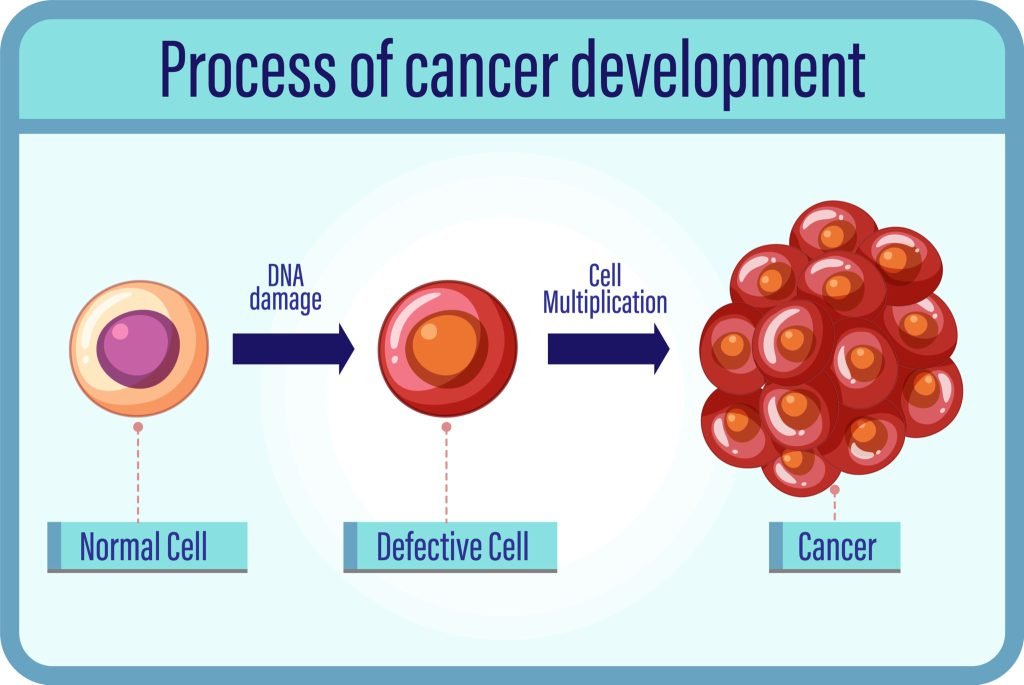
Dysplasia is a potentially reversible process in which the cells within tissues and organs grow and develop abnormally. This disordered cell growth occurs when the number of immature cells increases than the number of mature cells. This disorganized cell and tissue growth often leads to formation of precancerous cells that ends in cancer.
Dysplasia can affect any part of the body and its severity also varies. A hundred types of dysplasia have been studied that are accompanied with other disorders. But the most well-known type of dysplasia is cervical dysplasia that affects the lower portion of the uterus in females. If left untreated it can turn into cervical cancer. Cervical dysplasia doesn’t show its symptoms at early stages. Therefore, its detection is not easy. Just the biopsies and Pap smear can help in diagnosis. There are many treatment options for the disease that are usually based on the severity of symptoms, such as:
- Mild type of dysplasia is treated without intervention.
- Severe types of disease require surgeries and removal of abnormal tissues.
- More authentic treatment options include laser therapy, hysterectomy, cryosurgery or LEEP (using electricity).
Early detection can help prevent progression of cancer due to dysplasia but it needs regular screening.
What is Dysplasia?
An increased rate of cell growth and development is known as dysplasia. It is a more serious condition than hyperplasia because it is a precancerous state. In hyperplasia just the normal-appearing cells grow overly but in dysplasia the abnormal cells increase in number and can cause cancer. However, studies have disclosed a good feature of dysplasia that precancerous dysplasia doesn’t cause cancer in adults. This means, dysplasia doesn’t turn into cancer, but in some cases it might. The risk of cancer development varies and depends on the type of this abnormal cell growth.
If we talk about children, it is common in children and can cause problems in many parts of their body. Risk factors for each type of dysplasia are different. Avoiding these risk factors can help[ in preventing progression of disease in cases but in most cases it is not possible to prevent abnormal cell growth progression.
This article may help you find out about different types of dysplasia and their symptoms, causes and management methods as well.
Types of Dysplasia
Many types of dysplasia affect both adults and children. The most common of them are:
Developmental Dysplasia
Children’s development is affected by developmental dysplasia. It can even impact the children’s anatomy before their birth. Quick treatment can help treat the condition but for this early diagnosis is essential.
Studies show that abnormal development of cells in the body causes developmental type but it doesn’t lead to cancer. Developmental type also further sub-divided into:
Hip Dysplasia
Dysplasia of Hip (DDH) is a condition that affects children mostly. This issue occurs when:
- The hip socket in the child is not in the correct orientation and doesn’t provide proper support to the leg bone.
- The hip joint is in the wrong shape.
- These abnormalities result in wear and tear of every part of the hip joint.
The research suggests that the children with hip dysplasia are recognized easily because they had:
- An unusual way of walking.
- Less flexibility on one side.
- Legs of different lengths.
Studies also show that the most cases of hip abnormality have been observed with the occurrence of disease at their early childhood.
According to a survey by the Institute of Hip Dysplasia, around 30, 00 people get hip replacements or hip surgeries every year due to hip dysplasia. Doctors often recommend the use of harness or surgery. Especially infants and newborns are strictly suggested to wear a soft harness up to 6 months so that the hip may be kept at the right place. This method has proven effective in many cases.
However, in some cases the use of a harness doesn’t seem more useful than the doctors preferring a brace which is made of former material. Sometimes, they also recommend the gentle repositioning of the child’s thighbone before applying a body cast. Children from age 6 months to 3 years also are suggested to use a cast after repositioning the thighbone. However, in some cases, children may need open surgery that can help put their keep back in the socket. But its rare.
Skeletal Dysplasia
Many disorders occur due to skeletal problem, including:
- Very short stature.
- Bone abnormalities.
- Growth deficiency.
According to studies, more than 400 disorders of the skeleton are linked with skeletal dysplasia. The major cause of such problems is a genetic mutation. Its diagnosis is very difficult because it can be done only during infancy or before birth.
Ectodermal Dysplasia
This type of abnormal cell multiplication causes problems in your:
- Sweat glands.
- Hair.
- Nails.
- Skin.
The International Institute of Ectodermal Dysplasia has found that more than 100 types of ectodermal type have been observed in people. However, its correct diagnosis often takes years but in some cases it can be detected at time of birth. This is a hereditary disease that is passed from parents to the children in the form of some genetic changes.
Abnormal Growth Dysplasia
This is a common observation and proven fact that abnormal growth of cells or tissues in adults and children causes dysplasia that further turns into cancer. However, all types of abnormal cell growth do not lead to cancer, instead it just triggers the growth of cancerous cells in certain parts of the body. The cells start growing abnormally and start creating malignant or cancerous tumors in tissues and organs. Any number of tissues in the body can be affected by dysplasia at a time. However, some types are more common than others, such as:
- Cervical Dysplasia: When the cells grow abnormally on the surface of the cervix, this is called cervical dysplasia. It is categorized in:
- Low Grade Cervical Dysplasia: In this type the abnormal growth of cells progresses slowly and often gets better on its own.
- High Grade Cervical Dysplasia: This type of abnormal growth in cells always turns into cancer.
Melodysplastic Syndromes
This type of condition affects the bone marrow that often leads to development of leukemia. Melodysplastic syndrome causes the abnormal growth in cells in your bone marrow that stops the production of healthy blood cells for normal body functions.
Symptoms
As it is a well-known fact that this condition can affect every area of the body, it is obvious that symptoms depend on the type of dysplasia and the type of affected area as well. A faster diagnosis news identifying the symptoms correctly. The correct identification of symptoms makes it sure that the treatment will be successful. The most common symptoms of condition that which are usually related to every type of condition include:
Cervical Dysplasia: No specific symptoms are found. However, genital warts indicate the exposure to HPV, but it is not the same type of HPV that is associated with abnormal cell growth in most cases. It is usually identified during a Pap smear. This makes it clear that the person may develop cancer in future even if they have no symptoms related to cancer.
Hip Dysplasia: Hip pain is the most common sign. More symptoms include pain in the groin that lasts for months and snapping noise in the hip.
MDS: It doesn’t have specific symptoms but it can be detected through a blood test where the blood test results show a low cell count of red blood cells, white blood cells or platelets.
Ectodermal Dysplasia: It is different types that affect the nails, hair, skin and sweat glands in different ways. Its common symptoms are scaly, dry skin, brittle hair, discolored toenails, and abnormal teeth.
Skeletal Dysplasia: This type of dysplasia usually affects bone growth of bones. For example, dwarfism is the form of slow growth or short stature with an unusually large head, short limbs, curved bones, crowded teeth and stiff joints.
Causes
The actual and scientifically proven cause of the disease is still not known. However, researchers have proposed that some possible factors that can trigger the development of disease include:
- Smoking.
- Exposure to carcinogenic toxins.
- Infections.
According to the latest scientific approach, ectodermal type of disease actually results after mutations in the DNA of a developing fetus. The causes of these mutations are also not understood. So, it is right to say that each type of dysplasia has different possible causes and the risks associated with it.
Common types of dysplasia with their possible causes are:
Hip Dysplasia: This type affects a large number of people around the world. It affects the people who have a family history of hip type more. Both are for females. According to experts, genetic and environmental factors make a person susceptible to these symptoms.
Cervical Dysplasia: This type of dysplasia ensures the development of cancer. Its causes are still unknown but scientists are trying to find out them. According to studies, the presence of a type of human papillomavirus (HPV) may be the cause of it. But it would not be the same type of HPV as the one that causes genital warts. Weakened immune system is also pointed as another cause of cervical dysplasia. Smoking also increases the risk of developing the disease in the cervix.
MDS: People exposed to chemotherapy irradiation therapy are more likely to develop MDS. This type of disease often affects people at a young age but it also affects adults occasionally, especially those who are in their 60s or 70s.
Treatment
Types of dysplasia help the healthcare professionals to recommend the best treatment option. Treatment options target different goals. For example, some of them are effective just for reducing the symptoms while often focusing on removing the cause of disease.
Common types of treatments for dysplasia include:
Skeletal Dysplasia
This type of dysplasia needs:
- Braces to improve tooth crowding.
- Growth hormones.
- Back braces to improve spine curvature.
- Surgery for removal or replacement of the affected area.
Ectodermal Dysplasia
This type can be cured by:
- Applying antibacterial scalp treatments.
- Practicing regular dental hygiene.
- Using saline sprays for dry nose or eye drops for dry eyes.
- Using topical creams for skin problems.
Cervical Dysplasia
Its treatment options include:
Loop Electrosurgical Excision procedure (LEEP): Doctors use this procedure to scrap away visible abnormal cells in the cervix with the help of a thin loop wire.
Laser surgery: It ensures the destruction of abnormal cervical tissues.
Cryocauterization: It is the process in which abnormal cells are exposed to extremely cold temperatures. At this temperature, cells get destroyed.
Before getting subjected to any of these treatment options, you must discuss with your healthcare provider about how each opinion might affect your fertility. It is necessary for those who want to have biological children in the future.
MDS
This is a type of disease treatment in which stem cells are transplanted along with blood transfusions, chemotherapy, radiation therapy and other medications. If your doctor is not in favor of stem cell transplant, you may ask for blood cell growth factor or blood transfusions to treat dysplasia.
Prevention
The disease causes are still undiscovered but some studies link it with genetic mutations. However, there’s no evidence that makes it sure that any lifestyle change or other environmental factors can help reduce risk of disease.
According to experts opinion, following factors can contribute in reducing the risk of developing certain types of disease:
- Avoiding smoking, tobacco or cigarettes.
- Getting the HPV vaccine.
- Restructuring chemical and radiation exposure.
- Using barrier methods of birth control and having sex.
Conclusion
Dysplasia is typically defined as abnormal overgrowth of cells in tissues and organs leading to increased risk of developing cancer symptoms. Different types of dysplasia affect different areas of the body. On the basis of type of dysplasia and severity of symptoms, the treatment options also vary. These diseases equally affect children and adults but for children or newborns it is more serious and harmful.
Some of its types may show symptoms but most of them don’t cause any specific symptoms that may help in early diagnosis of disease. The proper treatment of the condition depends on accurate detection.