

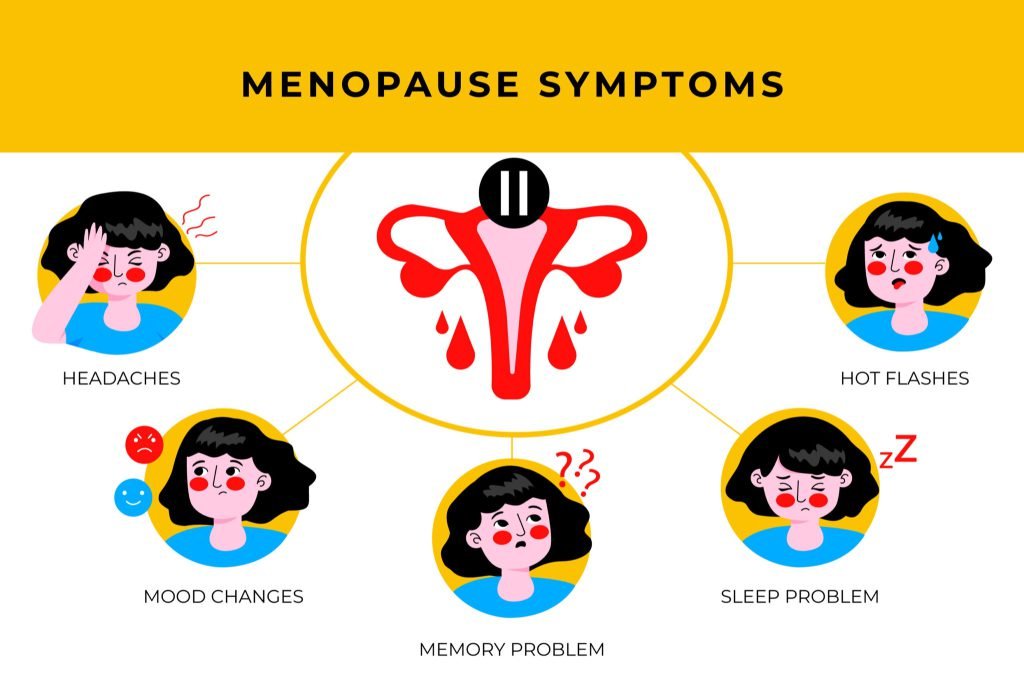
Are you reaching the age of 40+ ? This is the beginning of an era where you may start experiencing the symptoms of menopause. Menopause symptoms actually develop after a decrease in the production of certain hormones in your ovaries like estrogen and progesterone. Common symptoms of onset of menopause include:
- Vaginal dryness.
- Sudden weight gain.
- Mood changes.
- Hot flashes.
Inflammation and thinning of vaginal tissues leads to vaginal atrophy that often results in vaginal dryness. This causes discomfort during sex. Therefore, females feel uncomfortable during sexual activities when menopause symptoms start to appear.
In addition, certain health conditions like osteoporosis (bone ache and softening)is also associated with menopause. But physical symptoms of menopause usually are not the same as for all. They vary person to person. Therefore, you may need medical care, when you’re going through menopause. You just need to discuss all symptoms with your doctor so that they may suggest the best treatment option to manage these symptoms and make you comfortable at this time of discomfort.
The article includes thorough information about all things you should know about menopause along with some treatment options.
At What Age Will You Experience Menopausal Symptoms?
According to research, the average common age of onset of menopause symptoms is around 50 to 55 years old. Females around the world usually stop having other periods between the ages of 45 to 55. This is because the ovaries in females start declining in their function during these years. However, some may continue to have periods even after age 50. So the average age for onset of menopause is determined genetically. But in some cases the other stimuli increase the rate and speed of ovary decline that surely result in early menopause. These factors include:
- Excessive consumption of alcohol.
- Tobacco smoking.
- Less or no physical activity.
Some studies show that people who use oral contraceptives also experience perimenopause symptoms in their early 40s.
What’s the Difference between Menopause and Perimenopause?
The time right before the onset of real menopause is known as perimenopause. During this specific duration, the transitional changes start occurring in your body including the decline in the ovarian hormone production i.e. estrogen and progesterone. Some other symptoms related to menopause also may start appearing such as hot flashes and mood changes. The irregular menstrual cycle is the major sign of perimenopause. These symptoms continue throughout the perimenopause.
When you have no periods at all for at least 12 consecutive months, you enter the menopause stage finally.
What are the Symptoms Appeared Due to the Reduced Production of Estrogen in Your Body?
During menopause, your estrogen events get much decreases that often cause certain physical symptoms including:
Sleep Disturbances: Onset of menopause or perimenopause causes obvious changes in your sleep cycle. The sleep fighters disturbed due to anxiety, hot flashes and night sweating.
Sexual Health: Your sexual health is closely associated with the ovarian hormones. Therefore, decrease in the knees of ovarian hormones affect your sexual health directly. It impacts your sexual life by causing vaginal atrophy, vaginal dryness or changes in sexual desire that are also known as libido.
Hot Flashes: Almost everyone who gets through menopause experiences hot flashes. The hot flashes can occur any time whether it’s day or night.
Mood Changes: Sudden mood swings like depression or anxiety also occur during menopause.
Arthralgia: Muscle pain and joint pain are also associated with menopause symptoms.
However, it is also a fact that it is not easy to determine whether these symptoms belong to changing hormones, lifestyle issues or are a natural part of aging.
When Do You Know that You’re Having Hot Flashes?
A rise in body temperature is known as a hot flash. It common symptoms include:
- Redness in skin.
- Skin flushing.
- Blotchy skin.
- Higher body temperature than normal.
- These changes result in:
- Dizziness.
- Sweating.
- Heart palpitation.
After a hot flash ends, you start feeling cold. They usually occur several times a day. The hot flashes last a minimum for one year but in some cases they continue for several years. You can reduce the number of hot flowers per day by avoiding the triggers, such as:
- Limiting the use of alcohol.
- Staying somewhere with a cold temperature.
- Avoiding stress.
- Avoiding eating spicy and oily foods.
According to research, if you’re used to smoking or have a higher body weight, you may experience the worst form of hilt flashes. Balanced body weight and quitting smoking can help reduce the severity and frequency of hot flashes.
Some important tips to reduce the flashes include:
Perform Breathing Exercises: Hot flash symptoms can be minimized by performing breathing exercises especially during a hot flash.
Use Medications Prescribed by Professionals: Treatment of hot flashes sometimes requires medications. These medications must be FDA approved and prescribed by a professional healthcare provider. Doctors sometimes also recommend some off-label medications to ease symptoms of night sweating and hot flashes including, clonidine, birth control pills, hormone therapy and gabapentin.
Dressing in Layers: Using fans in your home and workplace to avoid high body temperature is another way to get rid of hot flash. Lawyers can help you adapt to changes in environmental temperatures.
If you fail to manage hot flashes on your own, talk to your doctor for better suggestions.
Does Menopause Affect Your Bone Health?
Menopause fetuses your bone health badly because decline in estrogen hormone impacts the levels of calcium in your bones. The lower levels of calcium results in the decrease in bone density that causes a severe condition, osteoporosis This condition further leads to fractures in your bones especially hip and joints. Therefore, it is a common observation that almost every woman experiences accelerated bone loss especially a few years after their last menstrual cycle.
Some tips to strengthen your bones after menopause include:
- Avoiding smoking and tobacco products.
- Eating foods rich in calcium like leafy greens and dairy products.
- Reducing alcohol consumption.
- Taking vitamin D supplements regularly.
- Incorporating exercise into your daily routine.
Some prescription medications can also help you prevent bone loss but for this you have to discuss with your doctor.
Does Menopause Cause Any Heart Disease?
According to research, menopause is not directly linked with heart disease. Though, after menopause you may experience cardiac palpitations or dizziness but these are not signs of heart disease.
However, the lack of flexibility in your arteries due to lower levels of estrogen can impact your blood flow but this cannot damage your heart if you already have not experienced any symptoms of cardiovascular disease.
Moreover, eating a well-balanced diet, exercising regularly and maintaining moderate weight can help you prevent risk of developing heart disease at any stage of life.
Does Menopause Cause Weight Gain?
Yes, it’s common that changes in hormonal balance often ends in weight gain during menopause. But in most cases aging is the main contributor to weight gain.
If you’re focusing on your nutrition, exercise and healthy lifestyle activities, you maintain a moderate weight easily.
Moreover, being overweight or obese at any stage of life usually results in diabetes, cardiovascular problems or health conditions.
Do You Have Menopause Symptoms Similar to Your Mother or Sister?
Everyone has different menopause symptoms that can vary in severity and frequency. So, it is not sure that your symptoms of menopause will be similar to your mother or sister. Because ovarian function declines at a different rate and age in every female. That’s why it is necessary to deal with your menopause symptoms individually as they are obviously different from all other females even if they belong to the same family. This means what works for your mom will not suit you.
You just need to discuss your symptoms of menopause with your healthcare provider. Ask concerning questions for them. They may help you find the most effective ways to manage the symptoms to make your life.
How Do You Know That You’re Going Through Menopause If You Had a Hysterectomy?
Hysterectomy is a surgical procedure which is done to remove the uterus from the female body to prevent some reproductive health conditions. If some had a healthier uterus through hysterectomy, it is difficult for them to easily know about when they’re going through menopause. For them, the best and easiest way to detect their menopausal stage is the experiencing of some other symptoms like hot f;lashes and vaginal dryness.
The uterus is also sometimes removed as endometrial ablation, a process through which the lining of the uterus is destroyed to treat heavy menstruation.
You can go through a blood test to evaluate the functioning of your ovaries when you’re not sure about the symptoms of menopause. The test helps find out the estrogen levels in your blood. This also helps protect you from the risk of osteoporosis in time. The evaluation of estrogen level in your body also helps you assess whether your bone density is stable or not.
Do You Manage Menopause Problems through Hormone Replacement?
FDA have approved hormonal therapies to treat hot flashes and reduce bone loss during menopause. The maintaining of estrogen levels also proves helpful in managing vaginal atrophy. However, the benefits and risks of hormonal therapies cannot be described before their application. They vary depending on the frequency and severity of your bone loss, hot flashes and overall health.
In addition, such therapies are not safe for all. If you’re interested in having any hormonal therapy fjr managing your menopause symptoms, it is best to talk with your doctor.
What are the Non-Hormonal Options for Managing Menopause Symptoms?
As discussed earlier, hormonal therapies may not be suitable for everyone. Doctors and experts often suggest some non-hormonal therapies to treat and manage the menopause symptoms.
In addition, some medical conditions can become more serious after applying hormonal therapies for managing the symptoms of menopause. Some are avoided due to personal reasons as well.
Non hormonal therapies can help you treat the condition as they are safer than hormonal ones. They also help you relieve many symptoms without any applications of hormonal supplements.
In addition, some medical conditions can become more serious after applying hormonal therapies for managing the symptoms of menopause. Some are avoided due to personal reasons as well.
Non hormonal therapies can help you treat the condition as they are safer than hormonal ones. They also help you relieve many symptoms without any applications of hormonal supplements. In addition some changes to your lifestyle can also help relieve the symptoms without using hormonal therapy.
Most important lifestyle changes are:
- Avoiding foods that can worsen the condition.
- Weight loss.
- Dressing in light cotton clothing.
- More regular exercise routine.
- Room temperature reduction.
- More treatments for the condition include:
- Certain lower potency antidepressants.
- Herbal therapies.
- Certain medications to decrease hot flashes.
- Acupuncture.
- Self-hypnosis.
The common medications used to prevent bone loss include:
- Calcitonin.
- Bisphosphonates such as zoledronic acid and risedronates.
- Denosumab.
- Selective estrogen receptor modulators.
Some over-the-counter creams and lubricants are also used to treat vaginal dryness.
How to Prevent Menopause Symptoms?
It is a fact that you cannot prevent menopause symptoms but you can manage them by implementing some diet and lifestyle changes. As this is the natural part of the female life cycle, you can’t get rid of it, just prevent potential complications.
Some evidence-based tips to manage the menopause symptoms include:
- Eating a nutrient-dense diet.
- Exercise regularly.
- Getting enough sleep.
- Maintaining your bone strength.
- Controlling your blood pressure.
Conclusion
Menopause is the natural part of women’s life cycle. It cannot be prevented or diminished. Menopause symptoms tell you that your estrogen and progesterone levels are starting to decline. Menopause is also associated with risk of developing many health conditions like heart disease and bone and joint days. Osteoporosis and cardiovascular disorders are common side effects of menopause.
Managing the synonyms can ease your routine life.you just need to make healthy choices for your nutrition, getting plenty of exercise and enough sleep. These practices also help you prevent abrupt weight gain that often occurs after the onset of menopause. Symptoms like hot flashes and vaginal dryness can also be managed with over-the-counter lubricants and antidepressants.
If you experience worsening of symptoms even trying simple methods to prevent the severity of symptoms, talk to your doctor. They may observe the unusual change to your hearth and recommend the potentially suitable treatment option for you according to your needs.