

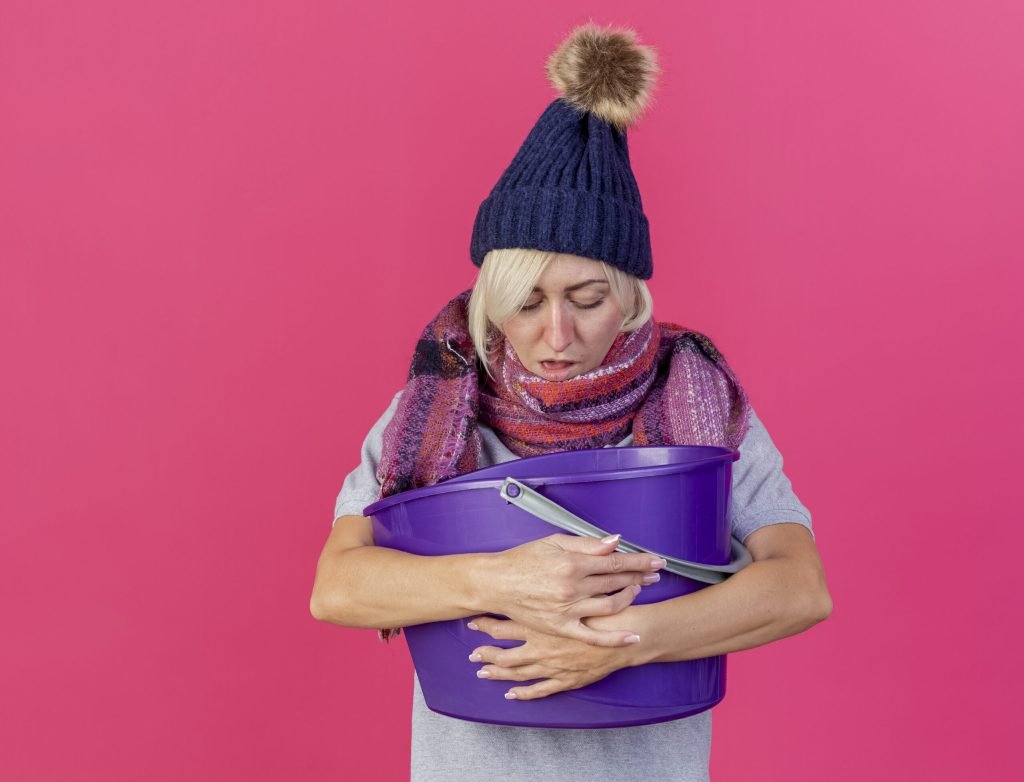
Norovirus or Winter Vomiting Disease is also known as a highly contagious disease that means it spreads easily through contaminated surfaces, food and close contact to affected persons. Norovirus is very common and causes symptoms similar to stomach flu such as vomiting, nausea and diarrhea.
Overview
What is Norovirus?
This is a common type of virus that causes severe symptoms of nausea, diarrhea and vomiting. A large number of people, especially in the winter season, are caught by the winter vomiting disease caused by norovirus. This means its outbreaks often happen in colder regions and months. The most common cause is contaminated food that makes it a food-borne illness.
According to historical studies, the first outbreak of this viral infection occurred in 1968. It happened in a school in a small town of Norwalk in the USA. That’s why researchers call its first strain the Norwalk virus.
Why are Norovirus Cases Rising These Days?
The cold times of year play a significant role in the surge in winter vomiting disease cases. This means the cases of norovirus usually increase during the cold months of the year when you stay at home for more time and are in proximity to other people at places like the workplace or school. This makes it easy to transfer the virus from one individual to another. After watching the virus, attending social gatherings or traveling during holidays contributes to the spread of norovirus infection.
In addition, norovirus also spreads easily in the environment where people live in closer quarters, share their food, travel in crowded buses or trains and touch so many things. These things increase the risk of getting norovirus even more than when you’ve come in contact with a person who has it.
Moreover, cold weather also affects your immune system. Your immune system actually defends your body against viruses, diseases and infections. Cold temperatures lower the levels of vitamin D in your body that along with drier air contribute to weaken your natural immune barrier, making it easier for viruses to spread. Because viruses multiply speedily in cool, dry air.
Difference between Stomach Flu and Norovirus
Stomach flu is actually known as gastroenteritis. Winter Vomiting also causes symptoms of gastroenteritis but the influenza virus doesn’t cause gastroenteritis, but it causes respiratory flu.
Types of Norovirus
Several strains (types) of norovirus exist. It belongs to the Caliciviridae family of viruses. The family has a total of 10 groups of viruses that consist of approximately 50 types (strains) of viruses. In these, the most common type is known as GII.4. Its common symptoms include inflammation of intestines and stomach that resembles the symptoms of gastroenteritis.
Why is Norovirus Known as a Common Type of Virus?
This is a commonly known type of virus as nearly 700 million cases of winter vomiting disease are reported each year. Out of which, nearly 3000 million cases include children.
As this is a seasonal virus, its outbreak is often observed in cold months of the year i.e. from November to April. The disease usually spreads in the countries situated below the equator because the weather in those areas usually remains cold and there’s no specific season for outbreaks in these areas.
Symptoms of Norovirus
The common symptoms include:
- Diarrhea.
- Nausea.
- Stomach pain.
- Vomiting.
Sometimes the symptoms become severe and adopt the forms of:
- Body aches.
- Fever.
- Constant headache.
After exposure to the norovirus, the symptoms of winter vomiting disease appear within 24 to 48 hours and lasts for approximately three to four days.
Effects on Children and Adults
Its symptoms are usually the same for all age groups. However, adults experience more diarrhea than children while children may experience more vomiting than adults.
Causes of Winter Vomiting Disease
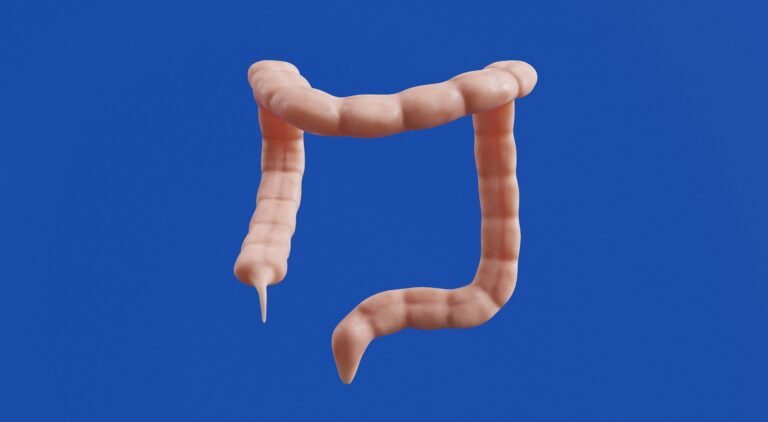
The Caliciviridae family of viruses contain norovirus that enters your body and causes inflammation in your stomach, abdomen and intestines. The swelling of these parts of the alimentary canal indicates the condition, gastroenteritis, which leads to the appearance of symptoms of winter vomiting disease.

How Do You Get Norovirus?
There are different ways of getting norovirus, including:
- Drinking or eating contaminated beverages or food.
- Close contact with a person who has norovirus.
- Touching the contaminated surfaces of your nose and mouth.
According to recent research, most of the cases of norovirus have been reported caused by eating contaminated food. It usually spreads when a person having norovirus touches food and transfers the virus to the food. When other people eat such contaminated edibles, they get caught by the virus. Certain foods like seafood including oysters and crabs are also naturally contaminated with norovirus. Eating these seafood causes winter vomiting disease.
Is Norovirus Contagious?
Yes, norovirus is highly contagious that means it spreads speedily from one to another individual. People who have norovirus, release billions of tiny viruses every moment that attack other people and make them ill. Just a few particles can make a person ill. This means, after coming in contact with norovirus, the symptoms start to appear within 24 to 48 hours. This is an incubation period that develops a gap between the exposure of the virus and getting sick. This is a highly contagious period. But it is also a noticeable point that after recovery when your symptoms stop completely, you remain contagious for up to 48 hours.
Risk Factors for Norovirus
There;s no specificity for getting norovirus but you’re more likely to get caught by winter vomiting disease if:
- Genes also play a role in getting sick due to norovirus. This is called genetic susceptibility.
- You come in direct contact with someone having norovirus.
Complications related to Norovirus
The first sign that helps detect the presence of norovirus is the feeling of being very sick. This thing makes you more suitable to have diarrhea symptoms. This condition happens when you become unable to retain nutrients in your body leading to dehydration. Its common symptoms include:
- Consistent headache.
- Having dark colored pee.
- Peeing less often.
- Feeling dizzy or weak.
- Having a dry mouth.
Children may have some additional symptoms such as:
- Fussiness.
- Sleepiness throughout the day.
- Crying without tears.
Eating and drinking usually get affected by the norovirus invasion. As soon as norovirus invades your body, you lose the ability to eat and drink. This happens due to the inflammation in your stomach and intestines. Swelling in the significant parts of the alimentary canal leads to diarrhea, nausea and vomit. That’s why you don’t feel hunger and thirst. This also makes eating and drinking difficult for you. But you have to put in more effort to defeat the condition. You can overcome the situation by drinking and eating more often throughout the day. Taking small sips of fluids and eating smaller and slower bites of meal can help improve your eating and drinking abilities. Eating too quickly or big bites can lead to rejection of food intake by your digestive system.
Diagnosis and Tests for Norovirus
Your symptoms are the best source that help your healthcare provider to diagnose norovirus disease. There are no specific tests to diagnose the winter vomiting disease but your stool test is the most effective way to confirm the diagnosis.
However, certain underlying health conditions usually make it necessary to go for testing. Such underlying health conditions usually affect the efficiency of your digestive and immune system leading to a decrease in the ability to fight infections as well.
Treatment and Prevention
The exact cure for winter vomiting disease is not available. But revealing your symptoms often helps treat the infection that takes two to three days to go away. However, there are some ways to manage the symptoms, including:
- Getting a lot of rest.
- Eating bland and soft foods.
- Drinking plenty of fluids, especially that contains more electrolytes.
More tips to protect yourself from winter vomiting, especially when you’re in close proximity to others include:
- The most effective way is proper hand hygiene that prevents spreading of norovirus. Studies show that alcohol-based sanitizers are not much effective against this virus, therefore washing with soap and water is necessary.
- Avoiding sharing food can help stop swearing of viruses. So dint share your utensils like bowel or spoons. Disinfect high touch surfaces with bleach-based cleansers. This step can help vanish norovirus from high-touch surfaces as they can survive on such surfaces for several days.
- Try to wash the clothes and bedding of an affected person on a hot cycle. Handling the used items of a sick person living with you can prevent spreading the disease.
- Prioritize rest and hydration to stop the spreading of norovirus. As no medications are available for cure and elimination of the infection. However, you can get some over-the-counter medications and electrolytes to stop sweating.
- Drinking small amounts of liquids like 2 to 3 spoons after half an hour can help restore the fluid amount that you have lost in the form of stool or pee. This may limit the risk of vomiting as drinking large amounts of fluids can cause nausea and vomit.
- Try to take a lot of rest when feeling tired. Avoiding activities that require physical exertion while the symptoms are at their worst, can help resume normal activities gradually with the return of energy.
- Moreover, keeping your activity level at a lower level, providing your body uninterrupted rest time, preventing dehydration and prioritizing a good sleep can also increase the rate of recovery. However, the occurrence of severe symptoms like severe dehydration or weakness or reappearing of certain preexisting medical conditions, indicates that you need immediate medical assistance.
Prognosis or Outlook
Winter vomiting is clearly recognized with its common symptom of throwing up or diarrhea. Its symptoms are often harsh and sudden. Even you may find it difficult to think about eating or drinking anything. Such thoughts cause nausea. That’s the way your body experiences dehydration when you don’t eat or drink for a long time. Feeling unable to drink or eat means you need medical assistance.
Norovirus is categorized in several strains. This means getting sick due to it and recovering from the condition doesn’t mean that you will not get caught by the infection again. It can make you sick again. Because your body has no ability to fight against every type of virus. But the good thing is that the illness is temporary and has no long-term effects on our health.
Prevention
Preventive measures can help you reduce the risk of getting winter vomiting disease. Some common measures include:
- Avoiding direct contact with people suffering from Norovirus.
- Cleaning and sanitizing the surfaces that are touched frequently.
- Cooking the food specially meat thoroughly to an appropriate temperature. So that the viruses can be killed present in raw food.
- Washing your hands often with soap or hand wash.
- Washing your clothes, especially when you wear them outside of the house..
- Washing the fruits, vegetables and all edibles before eating.
People often think that using sanitizer can kill all the viruses and bacteria but it’s not true. You need warm warmth and soap to wash your hands properly. Just sanitizing your hands cannot kill all the norovirus particles.
In addition, if you’re experiencing the infection, avoid cooking or preparing for others as you can spread the infection.
Conclusion
Winter Vomiting Disease is also known as Norovirus Infection that attacks you suddenly and makes it difficult for you to eat and drink properly. The infection often spreads in winter but luckily lasts for a few days. You can survive by fighting against the condition and try to eat small bites and sips the drinks in smaller quantities frequently throughout the day. Avoid large meals and make contact with the people who are suffering from infection.
However, if the symptoms last for longer or get worsen, contact your professional healthcare provider. Always prioritize well cooked food, wash your hands frequently and never forget to use water and soap for washing hands. These things help you prevent spreading the infection. Last but not least, avoiding coming in contact with the most touched surfaces is also necessary to protect yourself from norovirus.