

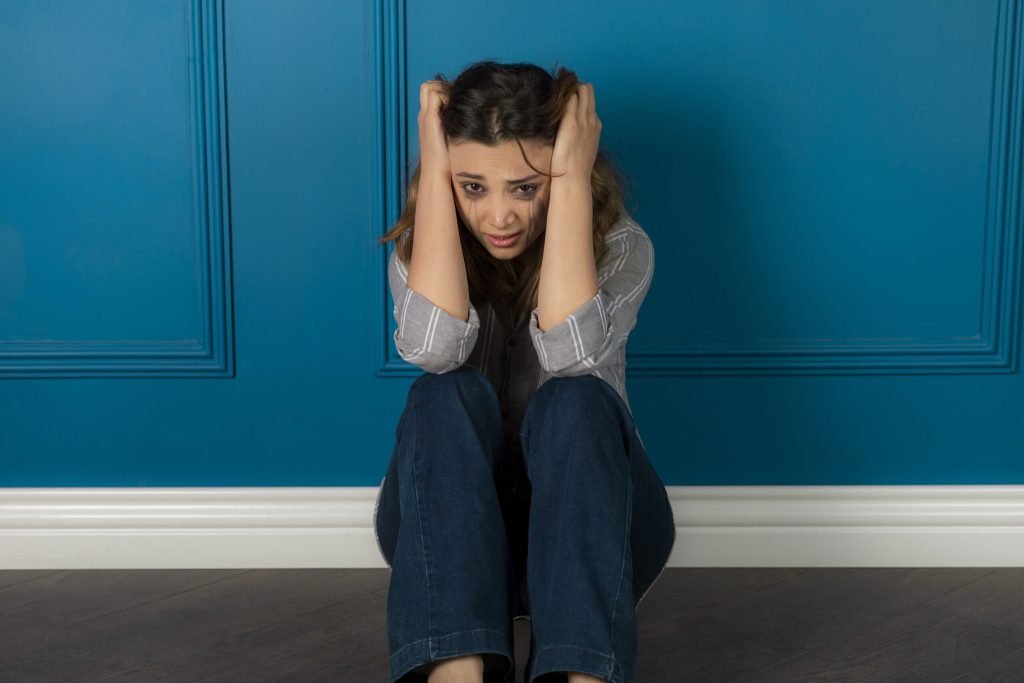
Reverse Body Dysmorphia is a mental health condition that causes significant distress which affects your well-being and daily life. Bigorexia and muscle dysmorphia are some other names of RBD. Experts have defined Reverse Body Dysmorphia as a condition when someone perceives their body as less muscular or smaller than they actually are, even if they have a muscular and physically fit body. These people are actually in a phase of mental distress that makes a distorted body image in their mind.
The article has evidence-based and compassionate information about the condition. Keep on reading so that you may learn how to address reverse body dysmorphia.
What is Reverse Body Dysmorphia?
Reverse body dysmorphia is a condition that makes you develop a distorted perception of being insufficiently small or muscular. The condition is categorized as a sub-type of body dysmorphic disorder (BDD). Body dysmorphic disorder is a mental health condition which makes you obsess over a perceived lack of your muscularity and body size despite having a physically fit and muscular body.
Studies show that people become a victim of preoccupation with being too weak or small due to reverse body dysmorphia. This condition leads to compulsive behavior such as strict diet and excessive workout like weightlifting and cardio.
According to a 2021 research, the condition affects men, especially those who remain busy in bodybuilding and other physical fitness programs. However, it also affects women to some extent.
According to the exports working at Institute of Mental Illness and Recovery Center, reverse body dysmorphia is a type of mental disorders that describe the individuals who believe that they are slim, thinner or smaller despite being physically fit or sometimes overweight. However, this definition needs more clinical research to verify the reality. Some simple examples can be used to explain this mental condition. For example, people affected by reverse body dysmorphia spend more time at the gym, not becoming satisfied even having visible muscle mass. They often avoid mirrors thinking that they have thinner bodies that don’t look good in the mirror. This dissatisfaction impacts their mental well-being and daily life activities. Navigating these distortions can help reoccurring mood disorders developed due to RBD.
Reverse Body Dysmorphia vs. Body Dysmorphic Disorder
Traditional body dysmorphic disorder is not the same as reverse body dysmorphia. However, expats call it a sub-type of BDD. Focus on size and muscularity is different in both. You can recognize the unique challenges of both conditions after understanding the basic differences between BDD and RBD.
According to research, traditional body dysmorphic disorder is a mental condition when you become obsessed over perceiving flaws in your outlook and appearance, including your skin or facial features. On the other hand, reverse body dysmorphia involves a belief having insufficient muscularity or size of body.
More key differences between BDD and RBD have been mentioned in table:
| Condition | Focus of Preoccupation | Common Behaviors | Primary Demographic |
| Traditional BDD | Perceive flaws in outlook such as hair, face, skin etc. | Excessive mirror checking, cosmetic procedures, cosmetic surgeries and grooming. | Often develop from adolescent years and affect both men and women equally. |
| Reverse Body Dysmorphia (RBD) | Perceive lack of size or muscularity. | Excessive use of steroids and supplements. Strict dieting followed by excessive weightlifting. | Affect men primarily, especially those surviving in bodybuilding or fitness communities. |
These key differences may help you find the effective treatment of reverse body dysmorphia. RBD just requires fitness-related compulsions or confusions whereas the traditional body dysmorphic disorder mainly focuses on appearance-related rituals. Expats are still trying to tailor interventions to these differences, often addressing related obsessive-compulsive behaviors.
Symptoms of Reverse Body Dysmorphia
Its main symptoms are compulsive behaviors and obsessive thoughts about body size and muscle mass. Reverse body dysmorphia disrupts your daily life as it impacts you behaviorally, emotionally and physically. A 2023 research has suggested that the core signs of RBD, obsessive thoughts about being less muscular and compulsive exercise cause significant stress and anxiety that eventually ends in social isolation.
Its common symptoms are:
Physical Symptoms: Experiencing frequent and abrupt mood swings, acne as side effects of overuse of anabolic steroids or supplements, over-training injuries and excessive fatigue.
Cognitive Symptoms: Believing that others view you as a weak person despite having evident muscular body, constant mirror checking and body comparison.
Emotional Symptoms: Perceived lack of muscularity and physical fitness, low self-esteem, stress, anxiety and shame.
Behavioral Symptoms: Strict dieting, avoiding social gatherings to maintain a tough workout schedule and spending excessive time at gym for weightlifting or other strenuous exercises.
People when affected by reverse body dysmorphia, they start skipping family events and social gatherings. They want to escape from seeing photos showing their actual muscular physique. identifying the distressing patterns and addressing the results of excessive steroid uses or substance misuse can help protect yourself from the negative thoughts.
Impacts of Reverse Body Dysmorphia on Daily Life
Reverse body dysmorphia badly impacts your well-being, health, working and personal relationships. At first, you start avoiding your social and professional contacts then it attaches to your personal relations. Studies suggest that RBD makes you uncomfortable among others. That’s why you want to have social withdrawal. This factor leads you to occupational impairment. Over-training and overuse of steroids also increase the health risks.
According to a 2024 study, 50% of people with reverse body dysmorphia experience symptoms of depression, anxiety, and mood disorders.
More common examples of effects of RBD on your physical and emotional health include:
Physical Health Risks
Physical health risks are the most concerning effects of reverse body dysmorphia. Perceiving yourself physically misfit or slim makes you cruel to yourself. You are always busy pushing your body too hard. Therefore, you prefer engaging in excessive exercise, adopting unhealthy diets,and overusing supplements to enhance your body image. The over-training and substance misuse have very serious impacts on your health. Let’s see!
Over-training: Engaging yourself in strenuous exercises can push your body to its limits, increase the risk of injury and long term damage to your joints, tendons and muscles.
Substance Abuse: If you’re living with reverse body dysmorphia, you may depend on steroids and supplements to enhance your body image. The performance enhancing drugs increase your inflated self image leading to serious health issues, like organ damage or hormonal imbalance.
Psychological Distress: People with reverse body dysmorphia often lose their confidence about their physical appearance, and the condition is known as psychological distress. The gap between perception about their physical appearance and actual body outlook is the central cause of their stress, frustration, emotional trauma and confusion. They also become victims of depression and anxiety due to the pressure they feel while trying hard to maintain an ideal version of themselves.
In addition, if some have reverse body dysmorphia, a constant worry about maintaining their physical appearance always makes them frustrated. They get hurt emotionally when people around them don’t recognize their perceived perfection. This continuous conflict between reality and perception creates negative feelings leading to certain psychological conditions.
Social Strain: If you have reverse body dysmorphia, several social difficulties will make your life worse. An invisible friction in your relationships due to an overinflated sense of physical self-worth makes you disconnect from other people. People around you also tend to stay away from you because they don’t like to stay with a person who believes so strongly in their own physical superiority.
In addition, your personal relationships worsen as you focus on your body image obsessively. You can’t connect with others because they don’t share the same focus on appearance. These factors lead to certain negative impact on your life,including:
Relationship Conflicts: People living around the individuals with reverse body dysmorphia always remain in a struggle to maintain their relationship. Because their partner’s obsessive focus on their body image leads to tension in their romantic relationship.
Isolation: Affected individuals often prefer to isolate themselves from others. They usually like to join the gatherings or activities where they can get more appreciation for their appearance.
How to Recognize Reverse Body Dysmorphia?
Recognizing reverse body dysmorphia can help to manage its severity but its recognition is not easy. However, some behaviors help understand it, such as:
Obsession with Physical Appearance: Constant focus on the body appearance and body image leading to make their life difficult.
Overuse of Exercise or Supplements: Engaging themselves in intense physical exercise or excessive use of performance-enhancing steroids to make it possible to get their idealized self-image.
Exaggerated Self-Image: Believing that you are in the best shape even than you actually have or showing unnecessary pride about your body appearance.
Recognizing these signs in yourself or someone you love, is an indication to seek professional guidance to manage the condition.
Causes of Developing Reverse Body Dysmorphia
Several factors contribute to developing reverse body dysmorphia, including biological, societal and psychological factors. In most cases the mix of these factors influence your childhood that results in repressed childhood trauma. Studies show that these factors along with childhood trauma causes low self-esteem that makes you bind yourself tightly with desire to glorify your muscular physique.
Common causes of the condition include:
Cultural Pressure and Media Influence
In the modern world, social media has become the significant platform that is spreading the concept of idealized body images especially through the entertainment and fashion industry. People, nowadays, have become addicted to social media and also try to adopt the standard of beauty and strength set by the social media.
This perception of body strength has made people exaggerate in believing that they have already surpassed the standards. The condition turns towards reverse body dysmorphia. Now, individuals assume themselves as the better version than they are. Common factors playing role in developing such thinking, include:
Social Validation: The exaggerated self-perception increases when you receive “likes” and comments on social media praising your physical appearance.
Idealized Images: You may develop an inflated sense of self-esteem due to promotion of unrealistic body images, shown as muscle tone and fitness standards.
Narcissistic Traits
Narcissist traits create an inflated sense of your own importance and abilities. That often extends to your physical appearance leading to developing an unrealistic view or image of your body in your eyes. If you’re one of those with narcissistic tendencies you are more likely to develop reverse body dysmorphia. You always try to look yourself as superior to all. However, the matter gets serious when these patterns become concerning and start to affect your daily life. This is the sign that you need professional medical help from an Anthem psychiatrist. Experts suggest that narcissism and RBD are not the same but their symptoms sometimes overlap and create confusion. The obsessive desire to be admired may drive you to overestimate your physical appearance. You may start to consider yourself as more capable and attractive than you actually are, this situation indicates your way towards narcissism.
Low Self-Esteem and Psychological Conditions
Sometimes, certain psychological issues like trauma or low self-esteem can cause the basis of RBD. For example, when you feel a lack of control over your life you start attaching to your other aspects of life like physical appearance. This is compensation for your hurt feelings. Enhanced body perceptions lead to establishing a sense of control and high self-esteem. However, intense self-worth makes you believe in your unrealistic self-image, leading to RBD. Individuals with a distorted sense of physical appearance often use their bodies as defense mechanisms to hide their emotional trauma and insecurities.
Conclusion
Everse body dysmorphia is a type of mental health condition and with professional care you can recover from it. This condition causes a sense of isolation because you have to face it alone. Other people get irritated due to your increasing obsessiveness about your body appearance. However, experienced therapists and psychologists have recommended some personalized, evidence based treatment options that not only help you overcome distorted body image but also develop a sense of rebuilding a healthy self-recognition. Muscle dysmorphia or body dysmorphia are associated with mental health disorders like anxiety, depression and panic attacks.
So it is important to recognize the signs and symptoms of the condition. So that you may get immediate medical assistance to manage the symptoms of the condition. If left untreated, it may convert into narcissism.