


Protein losing enteropathy is a condition that usually happens because of a gastrointestinal problem or heart surgery that you had in the past. Do you want to get rid of it? Doctors can help you with medicine and changes to your diet to make your life better and help you live longer. This means the loss of a large quantity of protein through your bowel leads to condition Protein Losing Enteropathy. This can be very bad for you because your body needs protein to stay healthy.
Protein losing enteropathy is not a disease by itself. It is a group of symptoms that happen because of another condition that you have. This other condition could be something like Crohn’s disease. Because of this protein losing enteropathy can be hard to treat.
In this article we will talk about protein losing enteropathy including what causes it, the symptoms, how it is diagnosed, how it is treated and what you can expect if you have this condition.
What causes protein losing enteropathy?
There are reasons why protein losing enteropathy happens.
First some gastrointestinal conditions can cause inflammation in your bowels. Normally your body digests the protein in your food. Absorb it. If your bowels are inflamed this process does not work properly and you can lose protein. Some other conditions can cause your body to make a lot of lymph, which has a lot of protein in it. If this excess lymph goes into your bowels you can lose protein.
Protein-losing enteropathy is a condition that causes problems.
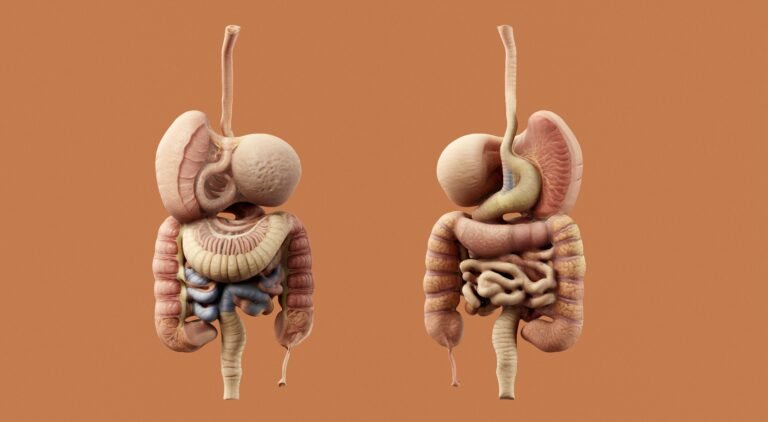
In protein-losing enteropathy the walls of your intestines are weak so proteins from your blood can leak into your intestines. These proteins then go through your intestines like the food you eat and come out at the end. Doctors have found that there are three kinds of disorders that can cause protein-losing enteropathy. Most of these disorders are related to your stomach and intestines. Some of these disorders affect your intestines in an indirect way.
Causes of protein-losing enteropathy include:
Erosive Gastrointestinal Disorders: These conditions hurt the lining of your intestines and create holes or weak spots where proteins can leak in. They include things like cancer in your system and carcinoid syndrome and graft as host disease and inflammatory bowel diseases like ulcerative colitis and Crohn’s disease. They also include peptic ulcer disease and pseudomembranous colitis.
Non-Erosive Gastrointestinal Disorders: These conditions change the cells in the walls of your intestines, which can cause proteins to leak out. They include things like amyloidosis and celiac disease and eosinophilic gastritis and HIV/AIDS and intestinal parasites and lupus. They also include connective tissue disease and Whipple’s disease.
Disorders that Affect Your Lymph System: These conditions can cause protein-rich fluid to leak into your intestines through channels. They include things like heart disease and constrictive pericarditis and fontan procedure and liver disease. They also include lymphoma and retroperitoneal fibrosis and heart failure and sarcoidosis.
Several gastrointestinal conditions are caused by protein-losing enteropathy. Basically, it happens when some protein gets lost excessively into your gastrointestinal tract.
But is done through mechanisms, which include:
- Loss of protein across disrupted mucosal surface that leads to musical disease with ulceration also known as chronic gastric ulcer.
- Inflammatory bowel disease.
- Bowel obstruction.
- Gastric carcinoma.
- Lymphatic obstruction causing loss of protein-rich substances.
- Primary intestinal lymphangiectasia.
- Lymphoma.
- Idiopathic ulcerative jejunoileitis.
- Heart disease.
- Amyloidosis.
- Neoplasm.
- Infections.
- Acute or viral eosinophilic gastroenteritis.
- Coeliac disease.
- Allergic protein-losing enteropathy.
- Hookworm infections.
- zollinger-Ellison syndrome.
- Common Variable Immunodeficiency.
- Systemic lupus erythematosus.
- Protein-losing enteropathy can also occur as a viral host disease.
How common is Protein-losing Enteropathy?
This is a multi-factorial disease. That’s why its prevalence rate is high. It is also known that a common complication occurs due to Fontan’s Operation 1. The procedure is carried out in children who have severe congenital heart disease. These children experience diversion of venous blood from the right atrium to pulmonary arteries without passing through the right ventricles. When you do not have enough albumin fluid can leak into your bloodstream and cause swelling. In bad cases fluid can collect around your lungs and around your heart.
In addition, vitamins and minerals in your body also need albumin to move inside your body. Without albumin you can get very sick. Not having enough nutrients.n
In kids this can cause problems, with growing and developing.
Protein-losing enteropathy can be very serious. It is important to talk to your doctor if you have any symptoms of protein-losing enteropathy.
Who gets protein losing enteropathy?
Protein losing enteropathy can affect anyone who has long-term conditions. These conditions are grouped into three categories:
- Conditions that cause sores and ulcers in your tract like Crohn’s disease, ulcerative colitis and stomach ulcers.
- Conditions that do not cause sores or ulcers like disease, certain infections and amyloidosis.
- Conditions that affect your system like heart disease, lymphatic system cancer and liver cirrhosis.
One common reason for protein losing enteropathy is a type of heart surgery called the Fontan procedure. This surgery is usually done on children who are born with heart problems.
What are the symptoms of protein losing enteropathy?

The common symptom of protein losing enteropathy is swelling in your hands or feet. You may also have symptoms that depend on the condition that is causing your protein losing enteropathy.
If you have protein losing enteropathy because of inflammation you may have symptoms like diarrhea, bloating, stomach pain and frequent infections.
If you have protein losing enteropathy because of a heart condition you may have symptoms like shortness of breath swelling under your skin and other symptoms of heart failure.
How do doctors diagnose protein losing enteropathy?
To diagnose protein losing enteropathy your doctor will first try to find out if you have an underlying condition that is causing it. If they cannot find an underlying condition they will look for conditions that have similar symptoms.
Your doctor will do an exam and run some tests like imaging tests, endoscopy and blood and urine tests. They will also do a test called the alpha-1 antitrypsin clearance test to measure the protein in your stool.
However, other studies show that diagnosis of protein-losing enteropathy is often based on exclusion of other causes of protein loss in your body.
For example, endoscopy is usually used to identify the cause of protein loss in the bowel. But the other methods of quantifying protein loss in the bowel include fecal excretion of alpha-1-antitrypsin, which is also known as a marker of protein-losing enteropathy.
Doctors also call it viral serology, which is considered very useful to determine the cause of PLE.
Where alpha 1-antitrypsin is a blood protein that leaks into your gut. But your gut cannot secrete or absorb it actively. It creates obstacles in the way of proteolysis in your gut lumen. That’s why it is considered a preferred protein for quantification of gut protein loss in origin losing enteropathy. However, random stool samples are also observed to find fecal alpha 1-antitryposin samples. But a 24-hour stool aiming is essential to quantify the amount of protein in PLE.
When PLE occurs due to lymph-drainage abnormalities, doctors use Lymphangiography procedure for localizing the areas of lymphocytic leakage.
Moreover, the serious conditions have been diagnosed by localizing thoracic or abdominopelvic cavities. Doctors also try to identify masses impairing lymphatic and venous drainage from the intestines that also contribute to causing PLE.
The Most Effective Treatment for Protein Losing Enteropathy
The best way to treat protein losing enteropathy is to treat the underlying condition that is causing it. Inflammation is the most common cruise that triggers protein losing enteropathy. Therefore, doctors first try to reduce inflammation with the help of medication so that your body may absorb protein in a better way. If treating the underlying condition is not possible or does not work your doctor may try treatments to help you get more protein. They may recommend a protein diet, give you protein through an IV or do a procedure to seal off leaky lymphatic vessels.
The treatment for protein-losing enteropathy involves many things.
First doctors need to treat the underlying condition that is causing protein-losing enteropathy. Then they need to help restore your protein levels and overall nutrition. Treating the underlying condition might involve taking medications and/or having procedures. If your doctor finds the cause during an exam they can sometimes treat it then. For example they might be able to remove a blockage or seal a wound.
Some causes are curable. Others might need long-term treatment. Your doctor will discuss your treatment plan with you when you get your diagnosis. Professional nutritionists prefer to make a diet to plan you so that you may restore your nutrition and energy. Some people might need to go to the hospital to get nutrition through a tube or through a vein. When you are ready to go you will get guidance on what foods to eat and what supplements to take. You will need to eat a lot of high-protein foods to meet your protein requirements.
Treating the Underlying Cause
The important step in managing protein-losing enteropathy is to find out what is causing the gut to leak proteins. If you have a heart condition like something that happened after a heart surgery treatment may involve taking medications to help your heart work better. If you have a condition like an autoimmune disease or inflammatory bowel disease treatment may involve taking medications to reduce inflammation.
Medical Therapy
Doctors use medications to stop protein leakage and manage symptoms. One medication is called octreotide which helps reduce blood flow and decreases lymphatic flow. Another treatment is called infusions, which helps increase blood protein levels. Diuretics are also used to reduce swelling.
Dietary Management and Nutrition
To rebuild strength and prevent nutrient loss dietitians make a plan. This plan usually includes a protein low-fat diet. You may also need to take vitamin supplements to prevent deficiencies. In cases you may need to get nutrition through a vein.
What is the outlook for protein-losing enteropathy?
Most people start to feel better after beginning treatment, for protein-losing enteropathy. The condition that is causing it. Effective treatment helps remove the symptoms of the condition. If you have a long-term condition you may need treatment. With treatment most conditions are manageable.
Your doctor can tell you more about what to expect from your condition and protein-losing enteropathy.
Can diet affect protein losing enteropathy?
Your diet can help prevent damage from protein loss. Your doctor may recommend a high protein diet. Tell you to eat less fat. This can help limit the amount of protein that leaks into your bowels. Diet alone cannot treat protein losing enteropathy. Your doctor will likely use treatments along with dietary changes to help control your condition.
Conclusion
Protein losing enteropathy is a serious condition that can be fatal if it is not treated. With new treatments you may be able to live longer and have a better quality of life.
Older studies showed that only about half of the people who developed protein losing enteropathy after the Fontan procedure survived for at least 5 years.. A newer study found that the survival rate was much higher with 81.6% of people surviving for at least 5 years and 76.5% surviving for at least 10 years. It is very important to talk to your doctor about your situation and what you can expect. Protein losing enteropathy is a condition but, with the right treatment you may be able to manage it and live a longer and healthier life.