


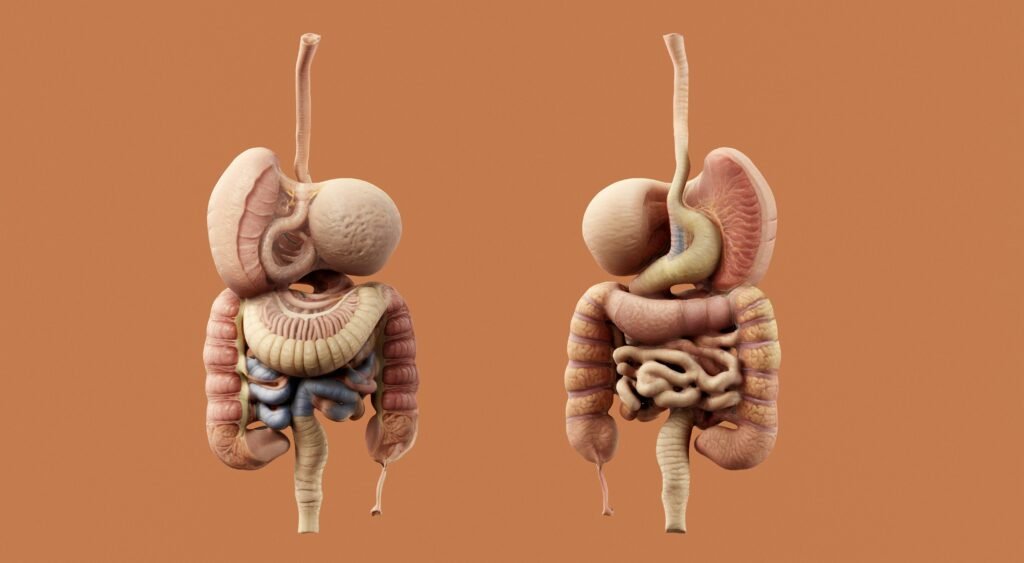
Crohn’s disease is a common type of inflammatory bowel disease (IBD). Your food choices affect the condition. The disease affects your digestive tract function by causing inflammation in it. Other uncomfortable symptoms also cause irritability and indigestion. If left untreated, it usually ends in malnutrition. Diet has a great impact on the severity and progression of symptoms of Crohn’s disease. You cannot easily know which type of food is good for you when you experience symptoms of Crohn’s disease.
Research suggests that diet plays a vital role in the development of inflammatory bowel disease, maintenance or induction of remission, nutritional status, disease course and reducing symptoms.
Sometimes, your dietary habits may worsen the symptoms. There’s no proper cure system to avoid these complications. Therefore, selecting foods that help reduce inflammation and avoiding foods that boost flare-ups of Crohn’s disease is the only solution to manage the symptoms.
Foods to Eat
Here is a list that may help you choose the foods that support your digestive health especially when you’re experiencing symptoms of Crohn’s disease and also details of food that should be avoided to reduce the frequency and intensity of flare-ups.
Grains
Whole grains are associated with many dietary benefits because they are rich in nutrients, especially fiber. Foods packed with fiber usually help reduce the risk of developing IBD and also helps increase the time you spend your remission. They are categorized as common staple foods.
However, if you’re at the active stage of Crohn’s disease, eating more fiber can cause serious complications. Sometimes, doctors recommend a low fiber diet according to your symptoms especially when you have a Crohn’s flare-up.
Studies show that eating smaller quantities of fiber help manage acute symptoms or small constrictions in intestines. This type of diet reduces scar leading to irritating bowels while staying behind.
Ongoing research is still not sure about the usefulness of low fiber diets in Crohn’s disease management. According to many studies taking a diet full of dairy, eggs, fish and fiber i.e known as plant-forward diet shows a high rate of remission over two years. But some researchers agree with the finding that higher fiber intake often results in improvement of symptoms.
According to research, these grain should be included in diet especially if you’re experiencing Crohn’s disease:
- Oatmeal.
- Pasta and rice.
- Bread without nuts or seeds.
- Cornmeal.
- Potatoes.
Fruits and Vegetables
Numerous health benefits are associated with fruits and vegetables. People with Crohn’s disease can also enjoy these beneficial aspects of fruits and vegetables. but the higher content of insoluble fiber in fruits and vegetables can cause problems during Crohn’s flare similar to whole grains.
People often stop eating fruits and vegetables during a flare-up. But it is not right. Try to reap some of their benefits even during flare-ups by processing them in different ways. For example, when you steam or bake the veggies and riots, they become digestible. But some of their important nutrients are removed during the process like water-soluble vitamins and enzymes.
So, if you want to avoid any diet deficiencies during Crohn’s disease flare-ups, talk with a doctor as soon as possible for some dietary suggestions.
Short-listed fruits and veggies for people having Crohn’s disease include:
- Apple sauce.
- Bananas.
- Bell-peppers.
- Cantaloup.
- Cooked or steamed vegetables.
- Peeled cucumbers.
- Pumpkins.
- Squash.
Meat and Protein
Low fat proteins are a good choice for the people experiencing Crohn’s disease flare-ups. Choosing proteins with lower fat content supports your digestive health in a better way.
Important protein containing foods that are beneficial fir person who is suffering from Crohn’s disease:
- Soy products like tofu.
- Poultry, especially white meat.
- Pork tenderloin.
- Peanut butter.
- Eggs.
- Fish.
Dairy Products
Dairy is not suitable for everyone. Some experience gut problems especially after drinking milk but people with Crohn’s disease can have a glass of milk without any problems. These people can tolerate dairy very well. So if you’re experiencing symptoms of Crohn’s disease, you can try dairy foods as the best remedy.
Dairy alternatives that you can try:
- Low fat fermented dairy like yogurt or kefir.
- Milk, cheese, yogurt made from plants such as flax, hemp, almonds, coconut, or soy.
Foods to Avoid
Grains
Eating lots of fiber, especially if you have Crohn’s disease flake-ups. Insoluble fiber present in whole wheat products, seeds, vegetables skin and dark leafy vegetables pass from the digestive tract in undigested form. The undigested food causes several digestive problems like abdominal pain and diarrhea. Sometimes, the fermentable carbohydrates (FODMAPs) found in grains are also blamed for these conditions.
Therefore, dietitians and diet experts usually recommend to avoid these foods:
- Barley.
- Rye and rye products.
- Whole wheat pasta.
- Whole wheat bread.
Fruits and Vegetables
Whenever you think about avoiding fruits and vegetables, it seems weird because fruits and veggies are very beneficial for your health. Even people with Crohn’s disease often get help from veggies and fruits to reduce the frequency of flare-ups.
However, you cannot ignore the truth that in raw form both veggies and fruits contain a lot of insoluble fibers that cause digestive pains and stomach ache during flare. So, it is a matter of concern that what fruit or veggies can be eaten if you have Crohn’s disease and what should be avoided.
Studies show that if you have Crohn’s disease you don’t need to eliminate every fruit or vegetable from your diet because some of them are not harmful uneven during flares. But some of them are exceptionally hard on Crohn’s digestive tract. It may be due to high fiber content or FODMAP content present in them.
Therefore, eliminating fruits and veggies completely from your diet without discussing with your doctor can cause other health problems for you. Talk to your doctor before taking such a step.
According to studies, limiting the following fruits and vegetables from your diet can help improve symptoms of Crohn’s disease:
- Apples with skin.
- Artichokes.
- Broccoli.
- Cherries.
- Cabbage.
- Cauliflower.
- Plums.
- Peaches.
Meat and Protein
If you have IBD , meat with high fat country meat is not good for your digestive health. It can worsen the glare-ups by causing severe and painful inflammation in the digestive tract.
It is better to avoid:
- Sausages.
- Dark meat poultry.
- Red meat.
Dairy Products
IBD (Crohn’s disease and Ulcerative colitis) causes lactose intolerance. Milk contains a specific type of sugar called lactose that increases the risk of developing diarrhea, gas trouble and abdominal pain in those who are living with IBD. These people also cannot digest high fat foods.
So, try to avoid following food if you ate one of them:
- Cream.
- Margarine.
- Butter.
- Full-fat dairy products.
If you cannot avoid dairy products due to certain reasons, try to opt for low fat dairy products, use enzyme products like lactase or lactose-free products and limit your intake of dairy products to help manage flare-ups.
Beverages
Drinking more fluids can help reduce the risk of fake-ups while you are fighting with Crohn’s disease. But be careful white choosing beverages for this purpose. Try to prefer plain water because it provides the best fiber of hydration. Ry to prevent diarrhea especially if you have IBD because dehydration leads to chronic diarrhea.
Experts suggest avoiding or limiting these beverages to help manage Crohn’s disease:
- Soda.
- Coffee.
- Beer.
- Wine or liquor.
- Black tea.
Replace these drinks with:
- Non-caffeinated herbal tea.
- Plain water.
- Sparkling water.
Coffee, tea and soda are caffeinated beverages that can increase their risk of diarrhea. Alcohol also has the same effect while soda and carbonated drinks often increase gas in the digestive tract.
But if you don’t skip caffeine from your diet, you can limit it at least. Enjoy alcoholic beverages only at some occasions or gatherings. Add more water to your diet plan if you’re using these beverages. This will minimize their adverse effects.
Spices
Spices irritate the digestion process in healthy people but people having Crohn’s disease get more troubled than healthy persons after eating spicy foods. Spicy food worsens the flare-ups. Avoiding overly spicy foods can help reduce the severity of symptoms.
However, some culinary spices like turmeric(due to its bioactive component curcumin) helps reduce Crohn’s disease flare-ups. It also has some spicy flavor.
Studies suggest that avoiding or limiting these spices cab be beneficial for IBD patients:
- Wasabi.
- White, yellow and purple onion.
- Paprika.
- Jalapeno.
- Garlic.
- Allspic.
- Chili powder.
- Black pepper.
- Cayenne pepper.
- Replace these species with:
- Mustard.
- Fresh herbs.
- Turmeric.
- Ginger.
- Cumin.
- Lemon peel.
- Green onion or chives.
Vitamins and Supplements
Avoiding a wide variety of nutritious foods leads to using vitamins and supplements because in experts opinion vitamins and supplements are the best sources to make up for the deficiency of nutritious food.
Sometimes, people suffering from IBD limit their diet that causes weakness and malnutrition. Taking multivitamin with minerals can help fill missing nutrients.
For example:
Calcium is a mineral supplement that fulfills the deficiency of dairy products, if you can’t take them due to IBD.
Multivitamin supplements also help prevent malnutrition that you experience when your small intestine cannot absorb the nutrients from food properly.
As the Crohn’s disease became severe, the nutrient deficiency started causing other health issues. Keep remember that deficiency of following nutrients can cause severity of flare-ups of IBD:
- Fat-soluble vitamins (Vitamin A,D, E, and K).
- Floate.
- Vitamin D.
- Vitamin B12.
Discuss with your doctor before taking any type for vitamins or supplements. It helps to prevent potential side effects if these supplements and drug interactions that can cause other health issues.
Crohn’s Flare Diet: How to Eat during a Flare?

Look at the list “foods to add” in this article. These foods can help reduce intensity of flares. But along with food selection some other things are also important for preventing complications associated with IBD. For example, you need to adjust the quantity and texture of fiber-containing foods to improve symptoms.
Resist Self-Imposed Restrictive Diets: When you start experiencing symptoms of IBD, your friends, family members or AI assistance start giving you different advice about your diet changes. Here you need to resist all advice until you get professional advice from a certified dietitian. This is because following restriction diets without consulting for a diet can have potential side effects that can include sudden weight loss, malnutrition, nutrient deficiency, eating disorder or regression to an eating disorder. All of these cause severe digestive health issues.
Increase Protein Intake: When the disease is in active mode, you need more protein content in your diet. You should incorporate more protein into your food throughout the day. You can add chicken, tofu, nut butters, beans, yogurt, fish, turkey and chia seeds to increase protein intake for flares.
Increase Fluids: Frequent loose stool can lead to fecal infection, incomplete evacuation or constipation. Sop, focusing on frequent intake of fluids can help avoid these complications. Common fluids used for hydration include oral re-hydration solutions, broth, smoothies and water.
Nutrient Dense Meals: Loss in appetite causes quick weight loss without trying. It also can cause fecal infection. Therefore, experts suggest increasing the intake of nutritious meals that are packed with healthy ingredients.
Some examples of small but nutrition packed snacks and meal are:
- Adding sauces to meals like lemon garlic sauce.
- Adding olive oil to meals.
- Adding a banana, one spoon of peanut butter or crackers, or berries as snacks.
- Drinking smoothies between meals.
Minimize Food Restrictions: Food restrictions cause lack of variety of food in your diet. This may cause malnutrition because restriction on food types causes absence of many essential nutrients from your diet that not only makes you internally weak but also enhances your hunger. The risk of nutrient deficiency increases many folds as well. So, it is better to minimize food restrictions after discussion with an IBD-focused certified dietitian.
Conclusion
Crohn’s disease is greatly affected by your diet and nutrition. If you’re experiencing symptoms of IBD especially Crohn’s disease, you need to:
- Add low fat protein during flare-up including tofu, poultry meat, fish and eggs.
- Consume low fiber diet especially during flare-up.
- Avoid spicy floods, as they can worsen the symptoms and act as irritants.
These measures can help you manage symptoms and flare-ups of Crohn’s disease.