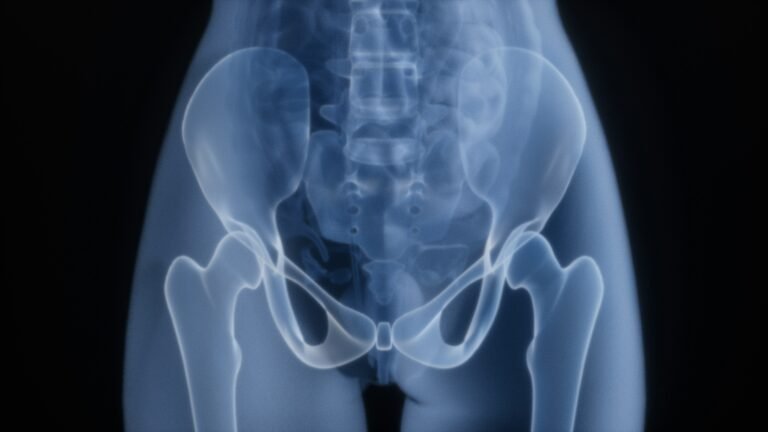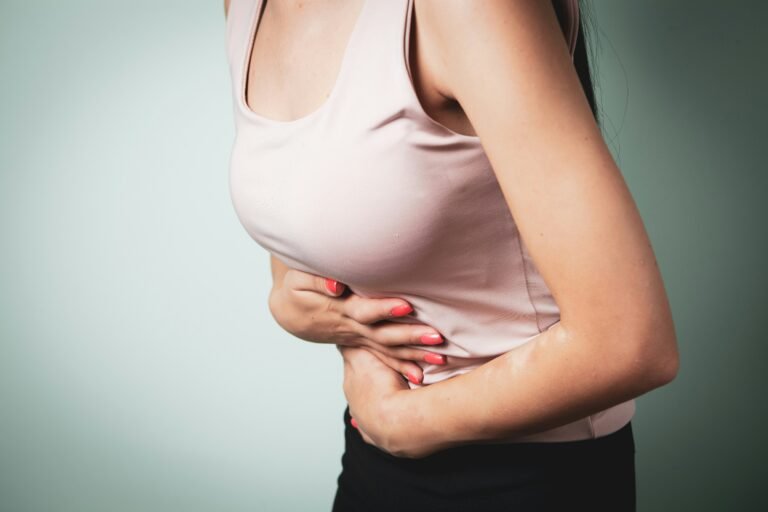


The excess of digestive fluids in your gallbladder gives raise to hard, crystallized deposits of bile like substances. These deposits are like cholesterol buildups and called gallstones. They block your gallbladder. If the symptoms of gallstones become serious, the removal of gallbladder is the ultimate option for treatment.
What is Gallbladder?
Gallbladder is an internal small sized organ, located right below your liver in the upper right slide of your abdomen. It has a pouch-like structure that collects the special secretion of liver, known as bile. The greenish yellow bile juice is a super digestive secretion that helps digestion of food.
Sometimes, it happens that something gets stuck in the bile duct and clocks it. As the opening of the bile duct is attached to the gallbladder for the transport of bile, the blocking if bile duct causes several gallbladder issues, including gallstones.
Bile is composed of many substances such as cholesterol, and bilirubin. These substances become hard and crystalline due to some reasons and form stones in your gallbladder. Gallbladder stones are usually considered as routinely asymptomatic and very common conditions. People with gallstones commonly develop noticeable symptoms within four to five years. The symptoms are mild in most cases but when they become severe, they cause serious issues like unbearable p[and other complications.
This article will help you learn more about symptoms, causes, risks, complications, triggers and treatments of gallstones. So, keep on reading!
How Serious are Gallstones?
Gallstones are medically known as cholelithiasis often do not cause serious problems or severe symptoms. A large number of people live with these stones but never know because they don’t have any noticeable symptoms. But when the gallstones start traveling through your bile duct and get stuck there, they become dangerous and painful for you.
Gallstones are unnoticeable at first but over time bile continues to wash over them and causes increase in their size by layering it for a longer time. The layers of sediment make the size of stone bigger that cause the blocking of the bile duct. The stone which was like a grain of sand, has now become big enough to stop the flow of the bike, especially when it gets into a narrow space, like a bile duct in the neck of your gallbladder.
How Common are Gallstones?
Gallstones are very common. A large number of people have this condition all over the world but the good thing is, it is treatable and symptoms can be managed easily.
Studies show that 70% of people with gallstones are females. This means gallstones affect females more than males. But just 15% of them often have symptoms or are diagnosed with the condition. That’s why they get the treatment.
Symptoms of Gallstones
It is a fact that gallstones, in many cases, do not show any symptoms. They can be identified only through a medical checkup.
According to medical researchers, gallstones do not cause symptoms until they block the bile duct and create hindrance in the flow of bile that is known as biliary obstruction. A sharp pain emerges from your abdomen that radiates to your shoulder blade and back due to the obstruction caused by stick gallstones. Doctors name the pain as gallbladder attack or biliary colic. The pain can last for 4 to 5 hours. The abdominal pain caused by gallstone usually goes away after clearing the gallbladder duct and bile duct.
What is Gallstone Pain Like?
Gallstone pain is very sharp and disturbing pain. It originates from gallbladder and radiates to your abdomen, back and shoulder. It makes you seriously ill. The pain becomes unbearable especially after eating. This is often called gallbladder attack or gallstone attack.
This is because after eating your gallbladder contracts, it builds more pressure in your biliary tract that makes the pain sharper and unbearable, even it wakes you up from a deep sleep.
When the gallstone pain goes to a peak and then gradually fades, it is categorized as biliary colic. It lasts for a few minutes to several hours and comes in episodes.
However, when the pressure decreases in the gallbladder duct or stine is removed from there, the episode ends. People who have gallstones often complain that the pain they experience is very sharp, cramping, squeezing and stabbing. They can’t even sit still.
Where is Gallstone Pain Located?
Your liver and the structures related to it like bile duct, pancreas and gallbladder collectively form your biliary system. All these organs are located in the upper right quadrant of your abdomen, under your ribcage. This region is the most affected part of gallstone pain.
However, severe pain sometimes radiates to other areas. Sometimes it reaches your right arm, shoulder and back between your shoulder blades.
Some people complain about gallbladder stones in the middle of their abdomen or chest. People often confuse the pain because the same areas feel pain due to some other health conditions. Some people even mistake gallstone skin for indigestion or heartburn. This pain sometimes resembles a heart attack, which is a serious medical emergency.
Are Gallstone Symptoms Different in Females?
Symptoms of gallstone are the same in male and females. There’s no obvious difference but it is observed that females experience more serious pain than males. Females are more likely to experience gallstone pain in their chest, shoulder, back and arm.
In addition, females also tend to deal with pain like biliary colics. Therefore, they are more likely to dismiss pain that comes and goes. If you feel any severe or recurring pain, even if it goes away, you need to contact a healthcare provider. A gallstone attack is an indication of another.
Causes of Gallbladder Stones
Having too much bilirubin and cholesterol in your gallbladder results in gallstones formation.
Cholesterol: If your bile juice has a rich quantity of cholesterol, it leads to accumulating yellow cholesterol deposits, which turn into bigger summers because your liver continues to make more cholesterol that is much more than your bile can dissolve.
According to studies, 4 out of 5 gallstones came into being due to excess cholesterol.
Bilirubin: Regular breakdown of red blood cells in your liver produces a chemical, bilirubin. After its production, it moves through your liver and excretes out from the body. Accumulation of this chemical in the form of hard crystals makes gallstones which are dark brown or black in color . The accumulation of bilirubin indicates that your gallbladder has failed in breaking down bilirubin more effectively.
Another cause of gallstone is the incomplete transfer of bile from the gallbladder. The bile becomes over-concentrated, turning into stones. Eating high fat foods also increases the risk of formation of gallstones.
What Triggers Gallstone Pain?
Gallstone pain originated from the place where gallstone had gotten stuck in your biliary duct. The stuck stone causes blockage. If the blockage is partial, you may not notice it but the severe blockage causes unbreakable pain that makes you uncomfortable. Contraction in your gallbladder that often happens during eating triggers the pain.
In addition, a bigger gallbladder contraction occurs when you eat a heavy fatty meal. This is because your small intestine has nutrient sensors that detect the fat content in your food and convey a message to your gallbladder fur producing the specific amount of bile to break down these fat content. Therefore, your gallbladder starts squeezing to propel the more bile through the bile duct into your intestine. The squeezing causes pain.
What are the Important Warning Signs of Gallstones?
Biliary obstruction occurs when gallstone causes a temporary blockage. In this condition, time somehow majestic moves out of the way and lets the bile flow through the duct again. That’s why the pain, after some time, goes away. But recognizing these episodes, their symptoms and duration of episodes can help you understand the warnings you are receiving from your body. Once a gallstone blockage occurs, it keeps happening again and again. Some gallstones remain in the same spot and continue to grow. The day comes when it becomes bigger enough that it’s stuck in your biliary tract and this would be an emergency for you.
Diagnosis
Doctors often involve other diagnostic tests to help rule out other conditions that you experience at that time. These tests include:
- Abdominal CT scan.
- Blood tests.
- Cholangiogram.
- Gallbladder radionuclide scan.
- MRI scan.
- Ultrasound.
Treatment
Gallstone is not a fatal condition. In general, it doesn’t need a treatment because they are asymptomatic. People often pass gallstones even without noticing them. But if you experience any pain, contact your future for further recommendation.
Doctors usually recommend the following treatment options:
Surgery
Surgical treatment includes the removal of affected gallbladder through laparoscopic cholecystectomy. Gallbladder isn’t an essential organ, you can live a healthy life without it.
However, there are some conditions for surgery. For example, if gallbladder is inflamed, scarred, or infected, ducts will go with open cholecystectomy. The same surgery is recommended for those who experience problems during a laparoscopy cholecystectomy.
Another option for removing gallbladder involves rerouting the bile from the liver to the small intestine. The immediate effects often cause some side effects like diarrhea but it can be resolved easily.
Nonsurgical Treatments
There are many cases where patients are not able to bear surgical treatment for gallstones. Doctors therefore, recommend nonsurgical treatment for them. But in this method, the gallbladder remains in your body, and is not removed. That’a why the risk of developing gallstone again is still with you.
Some nonsurgical treatments for gallstones include:
- Bile duct drain.
- Endoscopic retrograde cholangiopancreatography (ERCP).
- Taking medication orally.
- Shock wave lithotripsy.
Risk Factors for Gallstones
Several risk factors are associated with gallstones. Some of these are controllable but others aren’t.
Common risk factors are:
- Being pregnant.
- Being older.
- Being assigned female at birth.
- Having gallbladder infection.
- Undergoing rapid weight loss.
- Having a medical condition, such as sickle cell anemia, obesity, cirrhosis, or Crohn’s disease.
- Eating a diet high in fat or cholesterol and low in fiber.
- Having a family history of gallstones.
It is a fact that some medications increase the risk of gallstones, but you can’t stop them unless your doctor recommends it.
Prevention Tips
You cannot get 100 percent surety for gallbladder prevention. But following some lifestyle and dietary changes can help you manage cholesterol levels, which contribute to gallstones formation.
Important required changes include:

- Maintaining a moderate weight.
- Eating a well-balanced diet, including vegetables, fruits, whole grains and lean proteins.
- Losing weight gradually if you are obese.
- Taking exercise regularly.
- Limiting foods high in saturated fats such as cheese, oils, cakes, processed meats, lards and creams.
Complications
Blocking of bile duct, sometimes, causes serious complications, such as:
- Pancreatitis.
- Gallbladder obstruction (ileus).
- Jaundice.
- Gallbladder inflammation (cholecystitis).
- Gallbladder cancer.
- Bile duct inflammation or infection (cholangitis).
- Nausea.
- Vomiting.
- Fever.
- Appendicitis.
- Gastroesophageal Reflux Disease (GERD).
- Even laparoscopic surgery also has fatal complications.
Therefore, if you are not comfortable with surgery, you may take medications that can dissolve stones.
Read More: https://onlinehealthpoint.com/shoulder-pain-why-does-my-shoulder-hurt/
When to See a Doctor?
If you’re experiencing any signs of worry that relate to gallstones, make an appointment with your doctor as soon as possible.
Experiencing following signs and symptoms is an indication for seeking immediate medical care:
- Skin tone becoming yellowish.
- Whitish color of eyes like jaundice.
- High fever with chills.
- Severe abdominal pain that makes it difficult to sit or stand comfortably.
Conclusion
Bile is the liver secretion that is rich in certain substances like bilirubin and cholesterol. These substances accumulate in your gallbladder and make deposits there. These deposits or gallstones cause serious symptoms like severe abdominal pain, high fever, and jaundice symptoms.
Gallstone symptoms also include nausea and vomiting. Therefore, when you experience such symptoms, you need to contact your doctor for proper diagnosis and effective treatment that may work best for you.