

Bugs inject their venom into your skin through the mouth or stinger. At first the bug bites and stings may be painful that are followed by allergic reactions due to venom. The appearance of the stung area varies with time.
Bugs belong to wild life. Whenever humans invade their territories, they adopt different ways to protect their territories. They are everywhere, whether you’re in your backyard, in a river, pond or on a mountain trail. Bugs don’t like encounters with humans and other animals. Common examples of bug families include bees, spiders, ants and scorpions. These insects may bite or sting you when you get close to them. Most of the doubt sting until you bother them.
In addition, most bug bites and stings cause severe harm and just cause minor discomfort, but some bug bites and stings cause deadly painful lesions, especially if you have severe allergies to animal venom.
It happens often that you experience severe allergic reactions after bug bites or dying. The venom of sting or bug bites cause severe allergies that appear in the form of a swollen mass with extreme itching with difficulty breathing.
As bites and stings trigger several allergic reactions, they cannot be treated properly. Prevention is the best treatment. Recognize the types of bug bites and stings and try to avoid insects to protect yourself.
What are the types of Bug Bites and Stings?
The type of bite depends on the type of insect that has bit you. Doctors can identify which animal has caused your bug bite by examining the bite wound.
On the basis of bite wound types, the bug bites are classified into the following types:
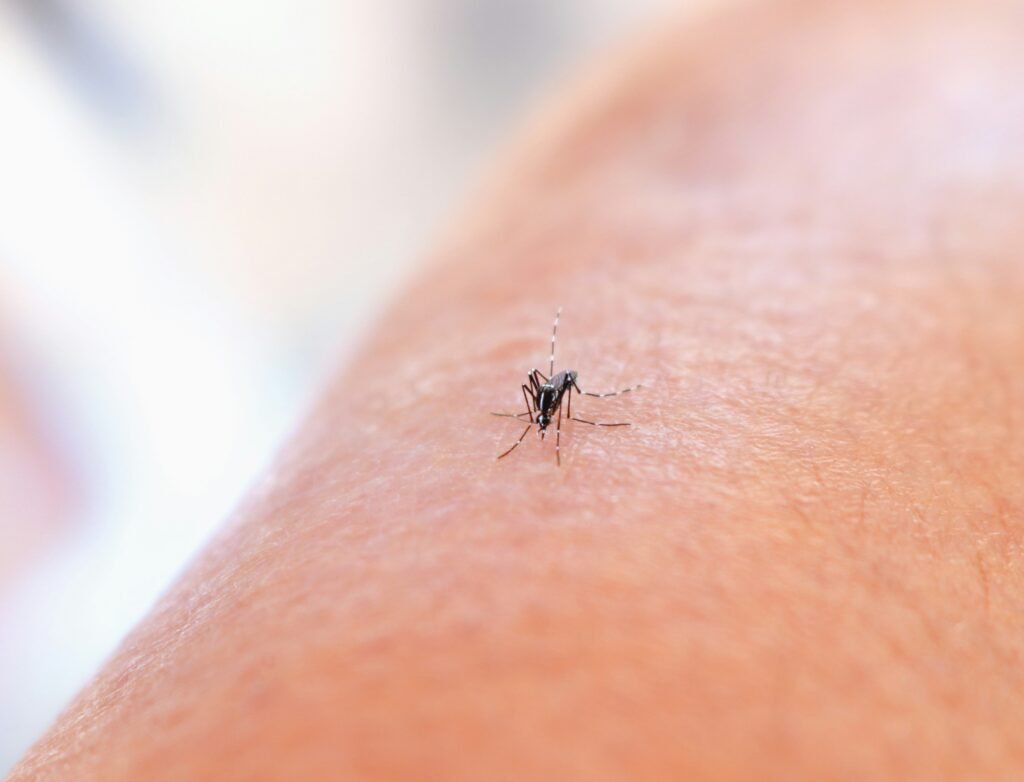
Mosquito Bites
A mosquito bite is identified from its small round and puffy bump that appears after mosquito sting. This bump becomes discolored after a few hours and converts into a hard, swollen and itchy bump. This is not necessary that you always have a single bite, you may have multiple bites in the same area.
Fire Ant Stings
This is a black or red venomous insect which is of a very small size. It is known as an aggressive insect that delivers painful stings. Its stings usually look for swollen spots that ultimately convert into blisters. The styling also causes itching and burning sensation.
Flea Bites
The clusters of bits appearing on your lower legs or feet are usually the result of flea bites. Flea bites cause itchy bumps that are surrounded by discolored halo. Its itchy and burning sensations appear immediately after a bite.
Bedbug Bites
These insects had an itchy rash through injecting their venison into your skin. The allergic reaction causes small, red, swollen rashes that are dark colored at center.
Bites usually appear in a cluster or in a straight line. The big bumps often appear at the areas which are not covered with cottages such as your feet and neck. Sometimes, some itchy blisters and hives also appear near bite sites.
Fly Bites
An inflammatory reaction occurs after a fly bite. This allergic reaction appears in the form of painful, itchy rashes. The rashes are usually harmless but they often lead to severe allergic reactions. They also trigger the spread of insect-born diseases.
Therefore, healthcare providers suggest taking precautions when traveling to endemic countries by using bug spray, antiseptics and wearing full length sleeves and pants.
Lice Bites
Lice are parasitic insects. They ate ectoparasites and found different species. But all species including head lice and pubic lice affect humans adversely. They bite on the skin and suck blood, in return they cause an itchy sensation that is an immune reaction that occurs at the site of a bite.
The adult lice are about the size of tiny sesame seeds and have six legs while the nits (eggs) and nymphs (baby lice) are of very very little size that they usually look like dandruff.
Chigger Bites
When tiny mite larvae bite on human skin, they cause itchy , painful rashes. The bites turn into hives, blisters, pimples and welts. These appear as clusters and cause severe itching.
Chigger bites often appear at the parts of bios where clothing fits tightly or in skin folds. Chiggers are usually fond of grass, therefore its bits often appear on legs and toes.
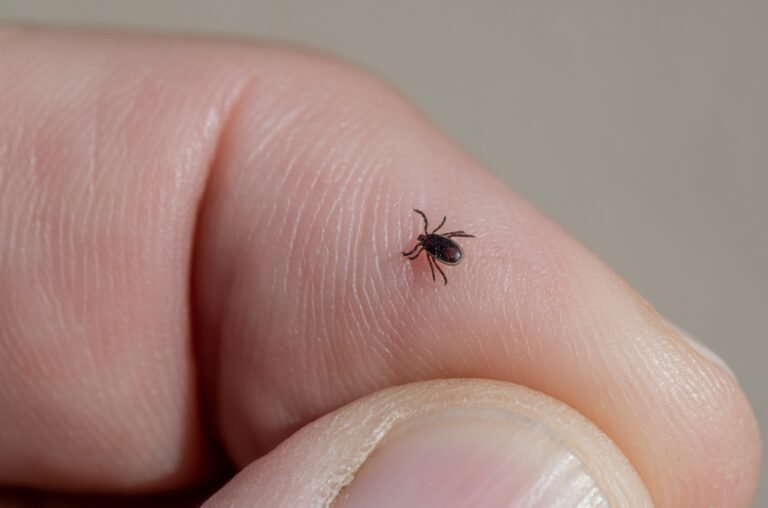
Tick Bites
These types of bites usually cause swelling near the bite site. After a few hours, the rash turns into a blister which causes a burning sensation.
Sometimes, the bite causes serious complications like difficulty breathing. The bites sometimes a[pera in cluster firms. Ticks are used to attach to the skin for a long time.
Scabies
Scabies mites bites and sting do not give an immediate appearance. Their allergic reaction appears after 3 to 4 weeks. A group of tiny blisters that are filled with scratches appear at the site of the bite. It is often pimply and itchy rash. After a few days, the pimply rash converts to raised, white or flesh-toned lines.
Spider Bites
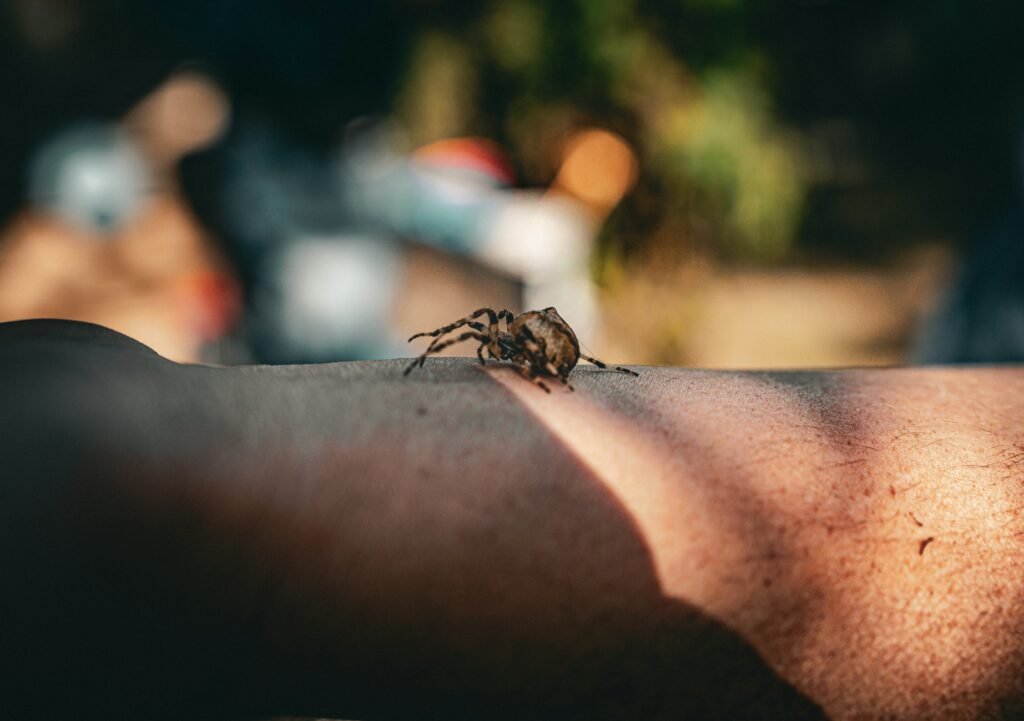
Most of the spider species are harmless and therefore their bites and stings do not cause any harm to humans. Some species are mildly irritating like a bee sting but some species of spider are very dangerous as they cause very painful and severe wheals, pustules and papules at the site of the bite followed by tenderness and redness.
Brown recluse, funnel web spider, wandering spider and black widow are some examples of dangerous species of spiders. At first, spider bites appear as two small puncture marks. It causes severe allergic reactions. Therefore, it is suggested that spider bites require proper medical care.
Brown Recluse Spider Bite
The spider has been given the name due to its brown or tan color. It has six pairs of eyes, two in the front and two on either side of the heart. It also has a violin shower patch on its body. It likes to hide in dark and quiet places like bookshelves and closets. It usually does not bite humans but if it is crushed between a hard surface and human skin, it causes a sin.
After its bite, a blister in red color appears at the site of the bite. More serious complications include nausea, vomiting, kidney failure, body aches,. Hemolytic anemia, fever, and rhabdomyolysis.
Black Widow Spider Bite
Black widow spider bite causes a pin prick-like pain at first. The sharp pain becomes dull after some time and causes numbness around the bite site. The spider’s body has shiny black or plum colors that also have red marks near the abdomen.
It is categorized as a non-aggressive spider sire that only bites when it gets crushed. After a bite, affected people often experience muscle pain and muscle cramping. If your symptoms remain persistent for more than one day, contact your doctor.
Hobo Spider Bite
This is a common household spider. Its bits are not considered toxic or harmful. First bites generally cause minor muscle twitches followed by pain and swelling.
At the site of bite, discolored tender central nodules appear within an hour that also make you experience stinging, burning and itching stains.
Wolf Spider Bite
This is a very large spider.
According to research, it is found with a length of two inches.Its color is gray or brown. It doesn’t bite humans in normal conditions but if threatened it bites.
Horsefly Bites
These are around one-inch long, blood sucking flies. They are more active in daylight. When they bite, a sharp burning sensation occurs instantly. More complications include itchiness, bruising and swelling near and on the bite site.
Bee Stings
When a bee stings you, a painful itching and swelling occurs at the site of bite followed by discoloration. Pet bees also act like bumblebees and carotene bees. There they can sting only one time due to their barbed stinger that usually remains in the skin.
Yellow Jacket Stings
These are actually tiny wasps that have yellow and black strips on their body with long dark wings. These are aggressive insects that may bite multiple times. The stung area experiences severe swelling, discoloration, pain, itchiness and tenderness.
Wasp Stings
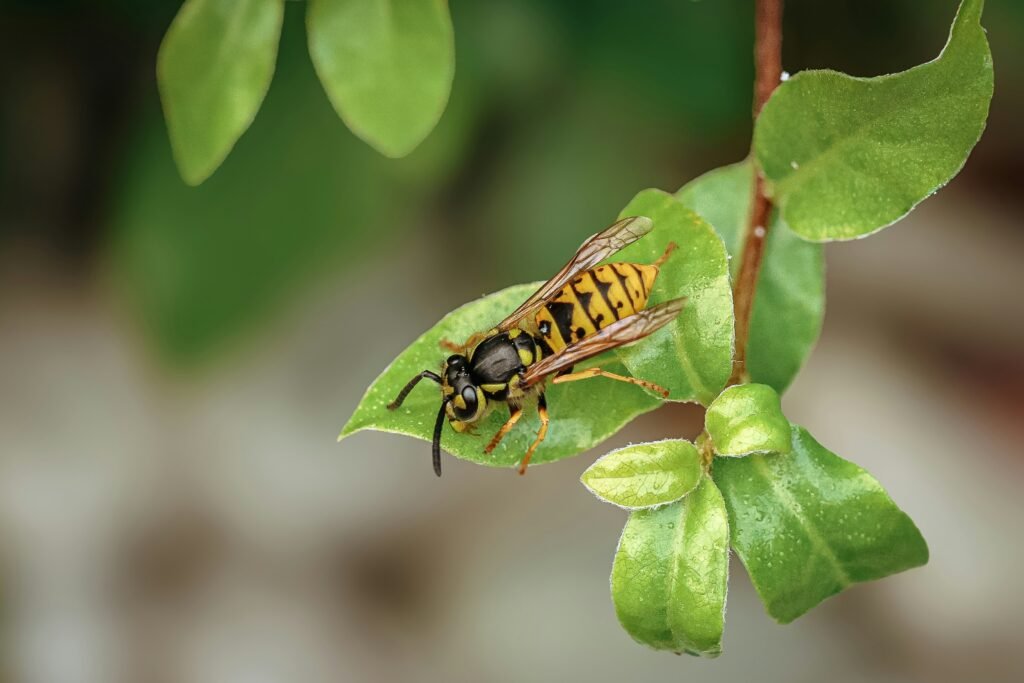
Wasp stings cause sharp pain followed by itching, burning and swelling at the sting site. They are aggressive insects that can sting multiple times. The bute sire is identified with a raised welt.
Deer Fly Bites
This is the most colorful insect with a small round head, body curved with brownish-black bands and having gold-green eyes. Its bite causes welts or bumps which are very painful. Ts bites cause serious complications like skin ulcers, fever and headache.
Studies show that deer fly bites can also cause a rare bacterial disease known as rabbit fever.
Scorpion Bites
These are eight-legged insects with long segmented pincers and stinger-tipped tails. They are the most toxic insects that can cause serious complications through its bite and sting. In infants and children its symptoms are more fatal than adults.
Common symptoms of scorpion bites include:
- Intense pain.
- Swelling.
- Tingling.
- Numbness.
- Rare complications include:
- Restlessness.
- Muscle twitching.
- Vomiting and nausea.
- Excitability.
- Breathing difficulties.
Kissing Bug Bites
Kissing big are known as Trimarine bugs. They are named as kissing bugs as they bite people on their face or near their lips. They carry a parasite that causes infection at the bite site. Their body consists of a cube-shaped head with a long, oval-shaped trunk. It has six legs and two antennas. Their colors range from light brown to black.
Common allergic reactions that appear after kissing bug bites include:
- Mild itching.
- Swelling.
- Discoloration.
Who is at Risk of Bug Bites and Stings?
Insects can bite and eat anyone. They are found everywhere. Their bug bites and stings are common.
However, you may be at greater risk of biting or stinging, if you spend a lot of time outdoors, especially in rural areas.
In addition, stings and bites cause more severe allergic directions in children and older adults.
Symptoms of Allergic Reactions Occur at Bite Site
It is obvious that every bite of your sting is caused by an insect. Sometimes, people don’t find any insects in their bodies that have bitten or stung them. They also do not aware if bite or sting until one or more following symptms appear:
- Rash.
- Itching.
- Swelling.
- Tingling.
- Burning sensation on and around the bite site.
- Muscle twitching.
- Numbness in the affected area.
- Pain in face area.
These are common symptoms of bug bites, but some rare but severe reactions require immediate medical treatment, include:
- Swelling lips and throat.
- Fever.
- Loss of consciousness.
- Nausea or vomiting.
- Difficulty breathing.
- Confusion.
- Rapid heart rate.
- Muscle spasm.
If you feel flu-like symptoms immediately after a big bite, see your doctor to rule out the infection that insect has contracted in your body.
Diagnosis of Bites and Stings
Many people become aware when they are bitten or stung because they see an insect on their body shortly after the attack. If you find that insect, try to preserve that insect. This may help your doctor to diagnose your symptoms accurately.
Treatment Strategies for But Bites and Stings
Most stings or bites can be treated at home.
For example, you can treat a bug bite and stings by:
- Washing the affected area.
- Applying an ice pack to reduce pain.
- Removing the stinger if it’s logged into your skin by using a gauze or finger nail.
In addition, the pain, itchiness and redness caused by stings or bites can be reduced by applying topical anti-itching creams, or taking oral pain relievers or using antihistamines.
Moreover, a thin layer of baking soda and water can also be used to remove discomfort from the bite site and calm the itching.
But in case of serious complications, contact your doctor immediately because some types of spider stings can be fatal.
Conclusion
Bug bites or stings are common issues. Many of you experience the bites and stings in everyday life. They are mostly harmless and cause minor discomfort.
However, some insects are poisonous and toxic. They inject toxic material into your skin that can cause serious conditions including muscle twitching, rash, swelling, itching, burning sensations and fever etc.
Therefore it is important to monitor the bite site after an attack. If you feel any extraordinary change in skin color or texture, that may be a sign of infection. This is the indication that you require immediate medical attention. Because certain types of bug bites and stings cause severe reactions or infections that can be fatal if not treated immediately.