

PCOS is now PMOS, Polycystic Ovary Syndrome has been named as Polyendocrine Metabolic Ovarian Syndrome (PMOS). Global experts have recently announced that the official name of PCOS has been changed. The reason for this is to reflect the multi-system effects of PCOS on the body. After a discussion for decades, the global consultation committee renamed the polycystic ovary syndrome as polyendocrine metabolic ovarian syndrome, officially. This is a hormonal disorder that affects 1 out of 10 women worldwide, according to an estimated survey report.
The announcement of the name change for PCOS to PMOS was made at the European Congress of Endocrinology in Prague and was published on the 12th of May.
PCOS was not properly-diagnosed in the past. It was a condition that was considered a confusing and misleading diagnosis for women. The under-diagnosed medical condition, PCOS was updated as PMOS to depict a more accurate and inclusive name for the said medical condition that actually affects females far beyond the virtues. The name polyendocrine metabolic ovarian syndrome has an explanation of the condition, its symptoms and effects.
Why Experts Have Named PMOS as a Multi-System Disease?
For the last two decades, many patient organizations and clinical researchers had been trying to change the name of the condition. The basic aim for complaining about the name change of PCOS is just to prioritize an accurate specific name that can help the patients and doctors to keep focus on metabolic and endocrine factors on ovaries which is necessary to reject the multi-system effects of the condition.
Therefore, a consensus was held for suggesting a new name. The suggestion to put endocrine and metabolic terms in the name was considered best because it depicts that the condition is relevant to the whole-body not just the various. This means PMOS is not just a gynecologic diagnosis but it’s a clinical condition that affects the many organs and systems of the female body.
The next step was to omit the word cyst from the condition’s name and put more emphasis on metabolic, endocrine and ovarian terms. This increases the accuracy of the meaning of the condition’s name. Omitting the word “cyst” was necessary because not everyone with PCOS experience ovarian cysts. The condition has been linked to cysts in ovaries which were seen on ultrasound that usually mislead the diagnosis. While in most cases the patients with affected ovaries were observed as normal completely. But the new research has proved that having normal ovaries doesn’t mean they don’t have PCOS,and the confusion lies here.
Hence, this multi-system medicine condition really needs a backdrop like renaming from PCOS to PMOS, so that we may better understand its symptoms and effects on biopsy.
What is Polyendocrine Metabolic Ovarian Syndrome (PMOS)?
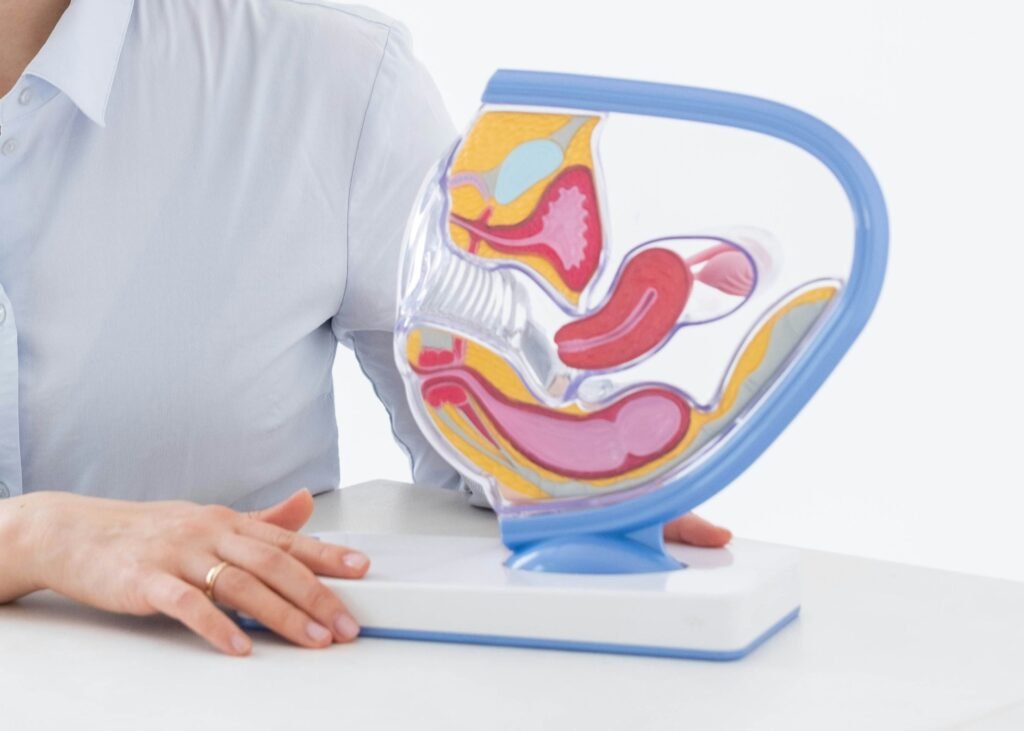
PMOS —- formerly known as PCOS, is a hormonal; condition that usually occurs when the level of ovarian hormones exceeds their limit. The ovaries start releasing an excess amount of androgen hormone that causes an imbalance in female reproductive hormones. Ovaries actually are the structures in female bodies that produce and release eggs. People with PMOS often experience missed periods, irregular menstrual cycles and unpredictable ovulation due to imbalanced hormonal secretions. Sometimes, the fluid filled sacs with immature eggs i.e. cysts also appear in ovaries. They can be identified on an ultrasound check. The cysts occur due to lack of ovulation known as ovulation.
However, having cysts in your ovaries is not the confirmation of PMOS or having no cysts in ovaries also doesn’t assure that you dint have PMOS.
In addition, the ovarian cysts are not painful or dangerous. But it is the most common cause of infertility in females. It is also associated with other health risks. You should contact your healthcare provider to treat the condition baked on your symptoms, if you have desire to conceive.
At What Age PMOS Start?
PMOS can start at any age in females after puberty. Studies show that most people start experiencing its symptoms in their 20s or 30s especially when they try to get pregnant. People with obesity or having any biological link of condition in family have higher risk of developing PMOS symptoms.
Signs and Symptoms of PMOS
The most common signs and symptoms of PMOS include:
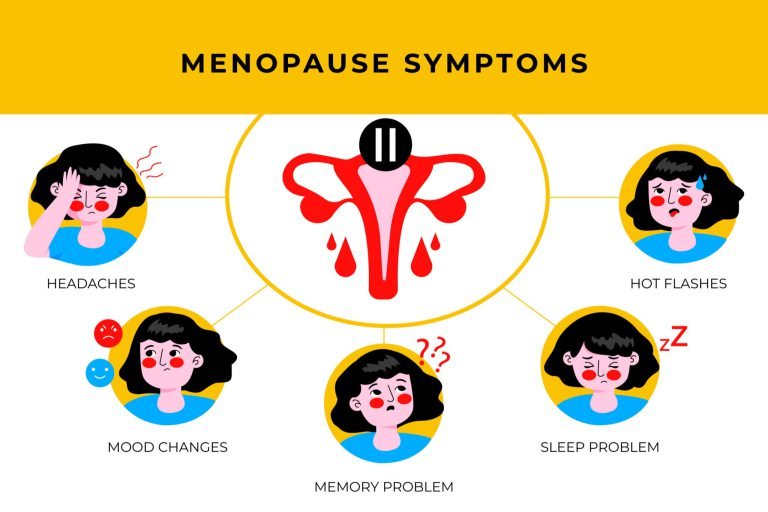
- Irregular Menstrual Cycle: Abnormal menstruation or missed periods or not having a period at all are included in it. Sometimes, heavy bleeding during periods is also a sign of PMOS.
- Obesity: PMOS is a great cause of obesity in females. People with this condition feel it difficult to maintain a moderate weight.
- Darkening of the Skin: Appearance of dark patches on the skin is another symptom. These dark patches often appear under your breasts, in the armpits, groin and folds of the neck. The condition of darkening is specifically named as acanthosis nigricans.
- Infertility: Ovulating frequently or stopping if ovulation completely makes it hard to conceive. This causes infertility that is a common symptom of PMOS.
- Abnormal Hair Growth: Growth of excess facial hair or having heavy hair growth on your abdomen, arms or chest are signs of PMOS. A large number of PMOS patients experience this.
- Thinning of Hair: PMOS causes hair, even people experience loose patches of hair and getting bald.
- Acne: Appearance of acne on different parts of skin like chest, back or face is the sign of PMOS. This may start from your teenage years and is difficult to treat.
- Skin Tags: Little flaps of extra skin are called skiing tags. They often occur due to PMOS near your armpits and on your neck.
- Cysts: PMOS cause cysts in many people who are affected by PMOS which are like larger follicles or eye sacs.
Causes of PMOS
Global experts and researchers are trying to identify the exact cause of PMOS but till this time it has not been done. But some evidence has shown that there is a great role of genetics and obesity in causing the condition.
However, some other important factors include:
Low Grade Inflammation: Having chronic low grade inflammation is the major cause of PMOS in many people. The higher level of c-creatuve protein nd white blood cells in your blood tells your healthcare provider that you have developed PMOS. This also indicates the level of inflammation in your body.
Higher Levels of Androgen: When the level of androgens exceeds the optimum limit, it becomes difficult for the ovaries to release the eggs that leads to irregular menstruation or missed periods. This may also end in irregular ovulation that causes formation of small fluid-filled sacs (CYSTS) in your ovaries. Excess hair growth and acne are also caused by higher levels of androgens in feminine blood.
Insulin Resistance: The main factor for increasing the androgen levels in females is the increase in insulin levels. The androgen is a male hormone, when it increases in the female body, contributing to suppress ovulation along with other symptoms of PMOS.
Insulin is necessary for glucose processing. Your body gets energy through glucose processing. But in some cases your body loses the ability to process insulin correctly that leads to insulin resistance that causes higher concentration of sugar in your blood.
It is not necessary that everyone who has insulin resistance will have diabetes or elevated glucose level but yes, insulin resistance always keeps it diabetes.
In addition, obesity and increased body weight are two major factors that contribute to insulin resistance. Sometimes, your glucose level remains normal but the elevated insulin level indicates insulin resistance.
Can PMOS Cause a Miscarriage?
Medical research on this topic has revealed that a large number of people with PMOS usually carry their pregnancy successfully but it is also a fact that having PMOS increases the risk of certain pregnancy complications.
Other pregnancy related complications that are associated with PMOS include:
- C-section delivery due to diabetes, high blood pressure or obesity.
- Gestational diabetes, high blood pressure and preeclampsia.
- Preterm birth i.e. premature delivery that occurs before 36 weeks of pregnancy.
Diagnosis for PMOS
The most convenient way to diagnose is the thorough examination and discussion about the symptoms. Doctors usually diagnose the condition by discussing the symptoms and examine the test results. Some ultrasound and blood tests are performed to get a clear confirmation.
The key steps for PMOS diagnosis include:
- A detailed discussion with your healthcare provider about your medical history and symptoms. Discussion about your blood pressure and weight.
- Exchange of information between you and your healthcare provider about your biological family’s medical history.
- Some blood tests that can check your glucose level and hormonal level.
- A complete physical exam that includes searching for the reason for acne, skin tags, discolored skin, excess of facial hair and frequent hair loss.
- A pelvic ultrasound to check the internal condition of ovaries, thickness of uterine lining and look for other causes of abnormal bleeding.
- A thorough pelvic exam to look for the causes of abnormal bleeding.
What are Most Common Symptoms that Confirm PMOS?
Here are three most common symptoms that a healthcare provider looks to confirm if it is PMOS or not. If you have at least two of the three symptoms, you are diagnosed with PMOS.
- If your blood test confirms that androgen level is high in your blood.
- If you have signs of excess androgen like excessive hair growth or acne.
- Ultrasound showing large ovaries or polycystic ovaries. But many people don’t have cysts at all.
- Missed or irregular periods. Some roles with PMOS also have very heavy bleeding.
How is PMOS Treated or Managed?
Your PMOS treatment depends on your medical history, other health conditions you are experiencing and symptoms you have. If you want to get pregnant, PMOS treatment is essential for you. Lifestyle changes, physical activities and medicines all are needed in combination to treat PMOS.
There are two plans for treating PMOS:
The first is useful for those who don’t want to become pregnant:
Hormonal Birth Control: This method includes use of birth control pills, intera-uterine devices, patches, vaginal rings or shots. The hormonal birth control method actually regulates your menstrual cycle and also helps cure your acne. It also helps control excess growth of hair.
Medications to Block Androgen: These medications help reduce the impact of excess androgens that leads to a permanent control of acne or excessive hair growth. But don’t try this method without consultation with your healthcare provider.
Lifestyle Changes: Adding some physical activity and healthy diet choices help you maintain a moderate body weight. These lifestyle changes help treat PMOS indirectly.
Insulin-Sensitizing Medicine: These drugs help treat diabetes by processing insulin in your body. Controlled levels of insulin help improve your menstrual cycle, which is the best treatment for PMOS.
Second plan is effective for those who want to get pregnant in future, it includes:
- Ovulation Inducing Drugs: These drugs help release eggs to start a pregnancy. Certain drugs are available in the market that help people with PMOS to become pregnant safely. They are taken orally but gonadotropins are injected.
- Surgical Treatment: Through surgery the tissues producing androgens are removed from your ovaries but the procedure is performed rarely.
- In Vitro Fertilization (IVF): If you have PMOS and want to become pregnant but medications and other treatment options are not helping with ovulation, the IVF option is best for you.
Healthcare provides fertilize your egg with your partners spent in a lab then transfer the zygote into your uterus.
When Should You Contact Your Healthcare Provider?
If you suspect any symptom of PMOS, contact your healthcare provider. Look for signs of PMOS that ensure you have the condition. Some of them include:
- Experience difficulty getting pregnant.
- Excess hair growth on facial area, appearance of acne, and excess of androgen hormone.
- Irregular menstrual cycle such as longer menstrual cycle that is longer than 40 days.
Conclusion
PMOS is the new name for PCOS. The further development of research on PCOS has revealed that PCOS is not a suitable name for the condition because it doesn’t fulfill the criteria of symptoms of disease.
PMOS is a condition that affects and disturbs your menstrual cycle . talking to your healthcare provider as soon as you see any symptoms of PMOS can save you from further complications. They may help you to manage symptoms of the condition by asking you to use medications, maintain moderate weight and adopt some simple lifestyle changes to your daily life. You need these treatment options especially if you want to become pregnant in future.