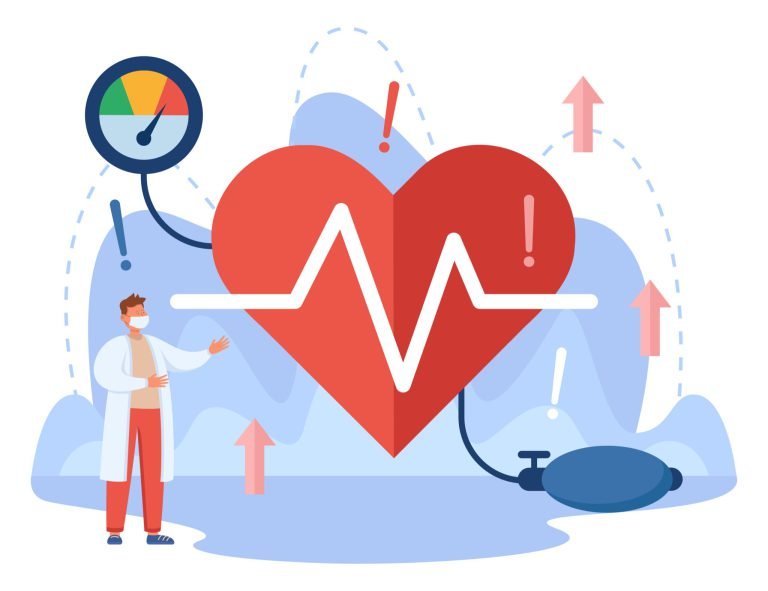


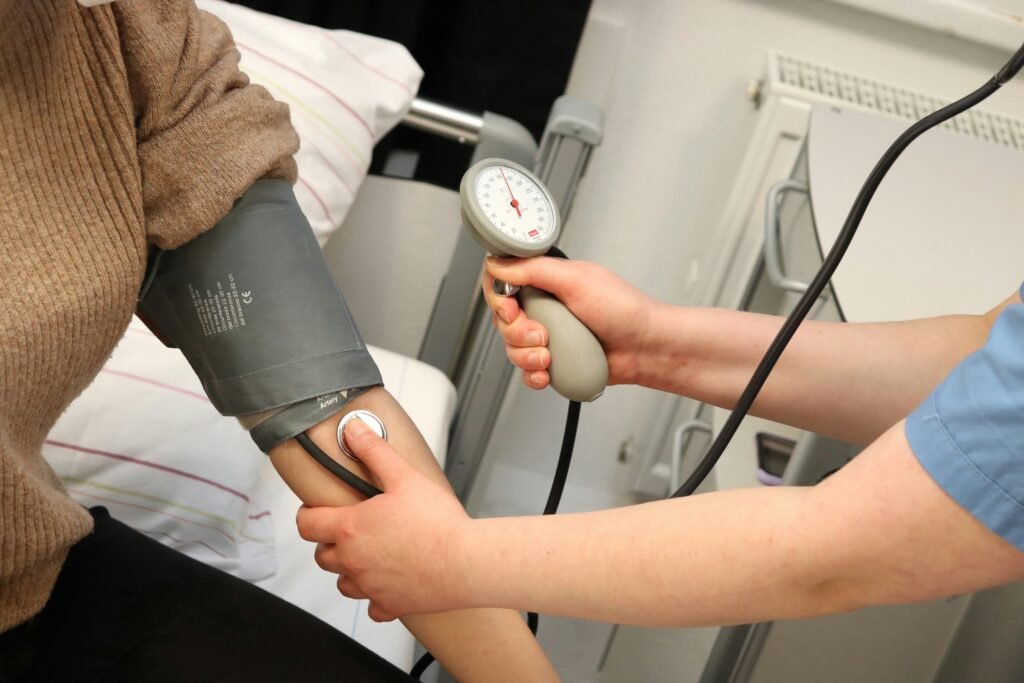
Low Blood Pressure (Hypotension) is the major cause of making you feel dizzy or tired. Blood keeps flowing in your blood vessels (arteries, veins and capillaries). A force is always compelling the blood to flow in blood vessels continuously without any break, the force is your blood pressure. When the blood leaves your heart , enters arteries, the blood pressure makes it flow. This means your blood pushes against your arteries with every bet and the pushing force is known as your blood pressure. Measuring units for measuring blood pressure is millimeter mercury also written as mm Hg. Sometimes it goes up, known as high blood pressure or hypertension and sometimes, it drops down and is called Low Blood Pressure or Hypotension.
The normal blood pressure reading is denoted as 120/80 mm Hg. There are two numbers that are representing your blood pressure reading, these are:
- Systolic Blood Pressure: The top number denotes the pressure of blood recorded when blood leaves your heart and enters arteries. Ventricles of the heart squeeze to push blood into arteries.
- Diastolic Blood Pressure: The bottom number is used to denote the blood pressure in your arteries when the heart relaxes between heart beats. Studies say that this reading shows your blood pressure when your heart is at rest or noted when blood comes back to your heart.
Your blood pressure doesn’t remain constant throughout the day. It keeps on changing. Changes in blood pressure are usually caused by different factors, such as your health status, diet, and activity level. That’s why the blood pressure goes up and down in response to the factors.
What is Hypotension?
Blood pressure is basically measured as two measurements. The higher measurement shows the readings noted when it strikes against walls of arteries after leaving heart, when your heart beats and the pulse is noted in the periods of rest between your heartbeats. Thus, your blood pressure measurement is the combination of two readings: the systolic pressure and the diastolic pressure.
According to medical researchers, having a low blood pressure is favorable in most cars i.e, below 120/80.
However, experts also explain that hypotension is treated is an underlying health condition that should be managed on an immediate basis. The blood pressure reading below 90/60 is considered as hypotension in adults.
Types of Hypotension
According to the situations when low blood pressure happens and its effects, hypotension is categorized in several ties, such as:
Orthostatic Hypotension
This is also known as postural hypotension. The drop of blood pressure happens due to your posture. For example, your blood pressure drops down when you move from lying down to standing or sitting to standing. This means the change in position makes you feel lightheaded or dizzy. This hypotension can affect you at any age, but older adults experience this frequently. Because aging catalyzes an overall dropping of blood pressure.
In addition, pregnancy is also a major cause of orthostatic hypotension.
Moreover, certain autonomic nervous system disorders also cause this drop in blood pressure. Such conditions include diabetes, or Parkinson’s disease.
According to medical research reports, around 40% to 50% people develop symptoms of orthostatic hypertension due to other underlying health conditions.
Postparandial Hypotension
When you feel a sudden drop in your blood pressure right after eating, it is categorized as postprandial hypotension. Older adults usually experience this type of low blood pressure. In addition, some types of autonomic dysfunctions also cause obesity.
Neurally Mediated Hypotension
Your body is a systematized unit that works properly if all the sub-units work in symmetrical order. Similarly, your blood pressure remains balanced if the factors affecting it work in balance. The nervous system, body organs and hormones are the sub-units that work together to maintain a normal blood pressure. But if the balance between them gets disturbed, you may experience low blood pressure. When your heart and brain interact with an abnormal, reflex, neurally mediated hypertension happens.
Other causes of neurally mediated hypotension include:
Experiencing a sudden emotional set back, like a shock or fear. This is the reason, people have low blood pressure while going through a surgical procedure like digital cleaning. Standing in one position for the longest time. Most children experience this form of low blood pressure.
Severe Hypotension
A shock can cause a sudden drop in blood pressure. This type of low blood pressure often happens due to serious life accidents, injury or infection. The shock affects the working of your body organs and coordination system. That’s why the body organs can’t get the blood and oxygen supply that they need to function properly. If the shortage of blood or oxygen becomes severe the hypertension may become life threatening.
Other Types
Sometimes, it happens that certain medications cause permanent drops in blood pressure all the time. Medicines used to treat high blood tissue usually cause severe hypertension.
In addition, some underlying health conditions that affect functioning of heart, liver, nervous system or hormones just cause an overall drop in blood urea leading to severe hypertension.
Moreover, vitamin deficiencies are also a great cause of low blood pressure.
What causes Low Blood Pressure?
Drop in blood pressure is not the same for all. Different people experience it at different times or situations. Your body’s regular blood flow often gets disturbed due to certain factors. Some people experience low blood pressure all the time, even without symptoms. While others experience it, from time to time.
The cause of this type of hypotension is still unknown. However, some causes of hypotension are jotted below:
Certain events cause a sudden drop in blood pressure, such as:
- Eating a lavish meal.
- Experiencing a shock.
- Standing up quickly.
- Feeling suddenly afraid.
Certain conditions also cause a drop in blood pressure. Some of these cause hypotension and become life threatening, if left untreated.
Here are some conditions that cause low blood pressure:
- Pregnancy: Growing a fetus increases the demand of oxygen for both itself and the mother. Therefore, the lack of oxygen supply causes hypotension pregnancy.
- Impaired Circulation of Blood: A heart attack or certain cardiovascular diseases cause low blood pressure.
- Dehydration: Lack of water content in the body that usually happens as a result of diarrhea, or vomiting leads to severe drop in blood pressure.
- Endocrine Disorders: These disorders include thyroid diseases, diabetes and adrenal insufficiency.
- Autonomic Dysfunction: These diseases damage your nerves that contribute to controlling several body functions.
- Shock: A serious condition in which oxygen supply to your vital organs gets interrupted.
- Anaphylactic Shock: A severe condition that causes serious allergic reactions.
- Blood infections.
- Injuries that cause a large amount of blood loss.
- Prolonged bed rest.
Medications that can Cause Low Blood Pressure
Certain types of medications also tend to lower your blood pressure, such as nitroglycerin and betas-blockers. These medications are usually used to treat cardiovascular diseases.
Other types of medications that can cause a drop in your blood pressure include:
- Erectile dysfunction drugs.
- Diuretics.
- Tricyclic antidepressants.
Make it a priority to discuss your medicines that contribute to decreasing your blood pressure. They may change the medications or adjust the dosage that cannot interfere with your blood pressure. In this way you can bring improvement to your blood pressure.
Symptoms of Hypotension
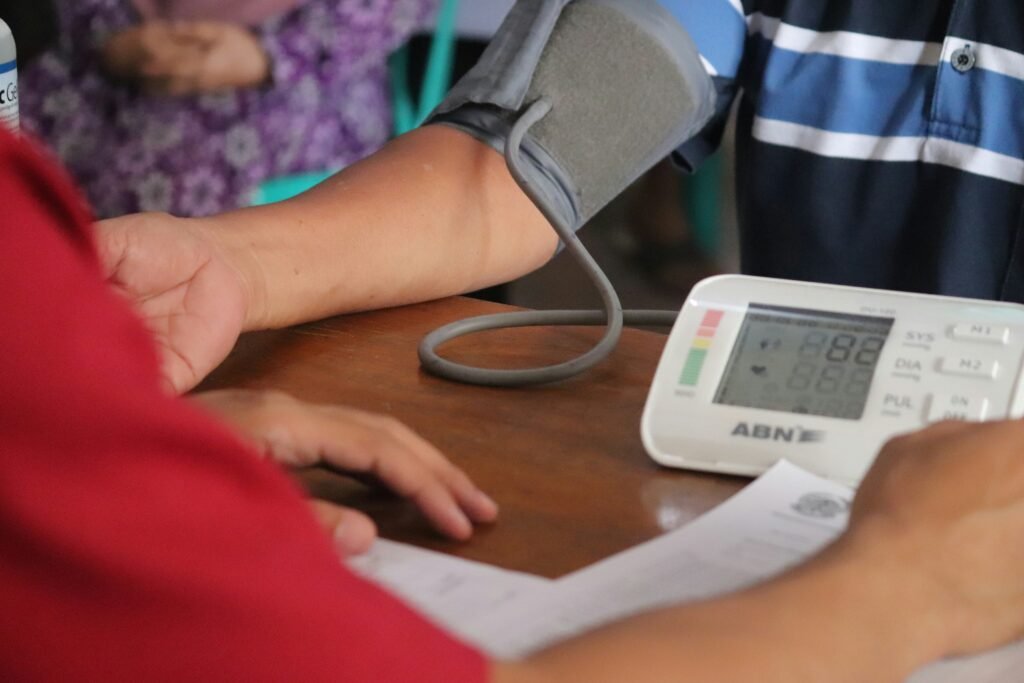
In most cases, hypotension doesn’t cause obvious and noticeable symptoms. But sometimes, low blood pressure is a vital sign of lack of oxygen supply to your vital organs. This shows your body organs are not receiving enough oxygen as they need. Tiredness and low energy levels also indicate hypotension.
Other symptoms of low blood pressure are:
- Blurry Vision: This means your eyesight has become out-of-focus.
- Calmly Skin: Feeling sweaty or damp on touch.
- Dizziness: Feeling a sensation of loss in balance especially when you get up from a seated or reclined position. Staying standing for longer times causes dizziness.
- Depression: Low mood or sadness that impact your routine activities.
- Fatigue: lack of ebay and feeling tired everytime.
- Loss of Consciousness: Fainting or feeling syncope.
- Lightheadedness: Feeling like you might faint.
- Nausea: Stomach discomfort or feeling like you’re going to vomit.
Treatment of Low Blood Pressure
It is obvious from previous research that the cause of hypotension decides what type of treatment will be effective for managing your hypotension symptoms and how to treat the condition.
Doctors often consider all factors including the type of hypertension when they ensign a treatment plan. They also look for the symptoms you’re experiencing and situations that often cause it.
In some people, low blood pressure cannot be identified properly because they don’t show symptoms. But if the symptoms of hypotension are serious, you may recommend some lifestyle changes or medical treatment, or a combination of both.
What Lifestyle Changes Contribute in Treating Hypotension?
Experts suggest that incorporating some lifestyle changes can help balance blood pressure. Different people experience hypotension due to different reasons
Therefore, there’s no hard and fast rule to cure it permanently.
You should know your specific situation that causes a drop in your blood pressure. Inform your doctor about the situations, they may suggest what can help you. They may suggest:
Staying Hydrated
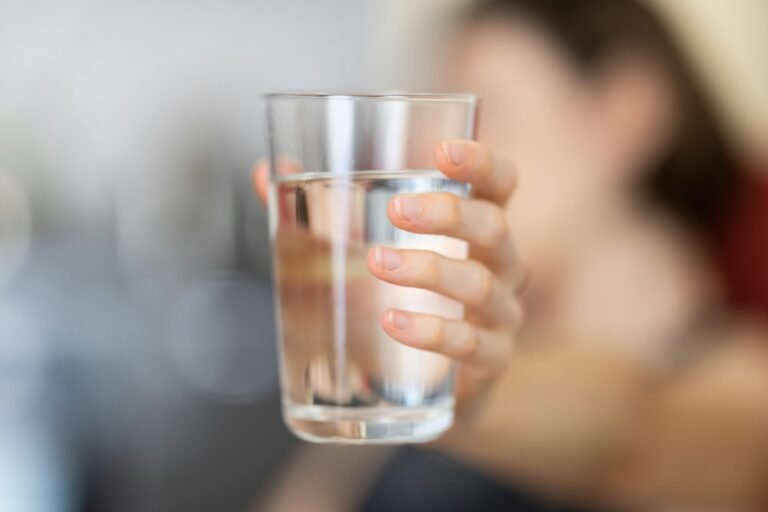
Hydration is the best treatment for hypertension. When you experience low blood pressure symptoms, drink plenty of water to stay well hydrated, especially when you’re exercising, living in a hot place or vomiting. This will help improve your low blood pressure.
Increasing your electrolyte intake also keeps your blood pressure at balance.
Moving Around
Standing for long periods also causes hypotension. If you experience such a situation, try stitching and flexing your leg muscles by moving around. Taking a break by sitting down can also help you.
Taking Your Time When Stand Up
When you have a hypotension issue, try to adopt a habit to change your position gradually and slowly. Avoid standing up quickly. Stay or stand slowly. Slow and deep breathing is also effective practice to maintain your blood pressure.
Change Your Eating Habits

People often complain that they feel a drop in blood pressure especially after eating. Taking smaller meals more often throughout the dat or eating different foods can help avoid hypotension. Standing up suddenly after eating ali causes low blood pressure.
These trips can help you avoid hypotension in your routine life. Your doctor may suggest some different tricks. So it is best to talk to them about it.
Medical Treatments
It is not necessary that all types of hypotension must be cured with lifestyle changes. Some types are serious enough and cause severe damage that they need medical treatments.
Important medical treatments that can help improve your low blood pressure include:
Medications for Underlying Conditions: Low blood pressure results due to several underlying undetermined. Therefore, taking medications to treat those underlying conditions can help manage and treat hypotension. Doctors recommend medications to treat those conditions that lead to some viral or bacterial infections, diabetes and heart diseases.
Medications to Raise Blood Pressure: Taking medications that are especially manufactured to raise the blood pressure is another effective way to get rid of hypotension. Severe orthostatic hypotension cases are often treated with these medications.
Emergency Treatment for Shocks: Hypotension caused by shocks is a serious form of hypotension. It sometimes proves life-threatening as it causes dangerously low blood pressure. This must be treated immediately. So, it is best to contact an emergency medical team so that they may help increase your blood pressure that is essential for stabilizing your vital signs.
Conclusion
New research about hypotension has claimed that understanding the condition, situations that cause it and symptoms can help you treat low blood pressure. Learning your trigger is the basic requirement if you want to get rid of hypotension symptoms.
If you feel often unwell and tired due to low blood pressure, adding some lifestyle habits can help you, make the condition. But in severe cases, your doctor may recommend medications and medical treatments that can help you increase the blood pressure and avoid potentially harmful complications.
If you feel any symptoms related to low blood pressure or you’re concerned about your blood pressure, always notify your doctor.