


PMS and PMDD have similar symptoms but PMDD’s symptoms, especially emotional symptoms are more severe. PMDD, Premenstrual Dysphoric Disorder is similar to PMS. It is a collection of physical and emotional symptoms that start one or two weeks before your period like PMS, premenstrual syndrome.
However, the emotional damage looks more intense than physical during PMDD. No doubt, If your PMS symptoms become more severe that interrupt your daily life, this may indicate the conversion of PMS into PMDD.
Keep on reading to learn more deeply about the symptoms, causes and treatment of PMDD symptoms.
What is PMS?
Before learning about PMDD symptoms and other things related to it, you need to learn about PMS. This will help you identify the difference between the two conditions and you can confirm if there’s a severity in symptoms that is converting PMS to PMDD.
The duration between the start of your period and ovulation has a great significance because during this duration you experience several physical and emotional disasters including mood changes and certain physical health conditions. The symptoms generally last for a few days after your period begins. All symptoms impact your life negatively.
According to studies, 50% of women with reproductive age experience PMS symptoms. 25% of them experience severe illnesses that affect their routine life. This pre-menstrual syndrome is a very common condition for women. This is a real condition that often causes disruption in regular life activities due to a significant discomfort in their physical and emotional health.
Learning about PMS symptoms helps get relief from them.
Symptoms of PMS
Most of the symptoms of PMS are mild and moderate. This means they do not interfere with your routine life activities and need to disturb your quality of life quality to a great extent. But sometimes symptoms become severe enough to imitate your well-being and everyday activities.
Experiencing symptoms consistently before each period means you have POMS.
Some women experience some of these but some women experience several.
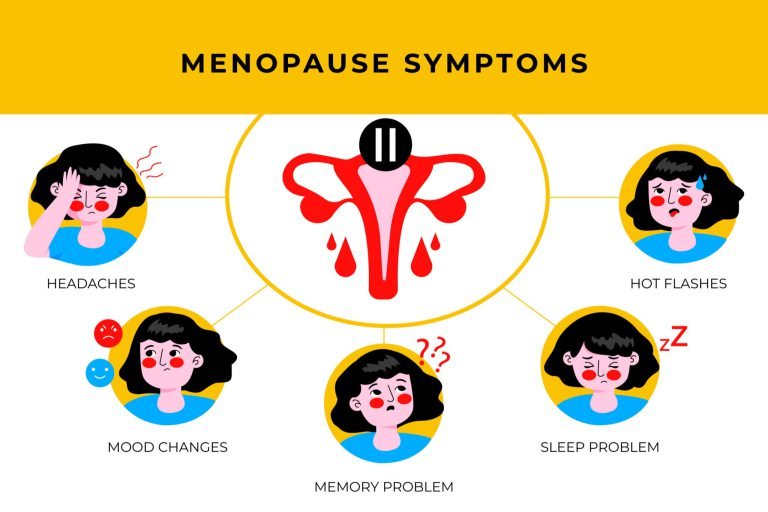
Behavioral and Emotional Symptoms
PMS causes many changes in your mood, behavior and emotions, such as:
- Emotional outbursts and rapid changes in mood.
- Unusual anger and irritability.
- Difficulty remembering information or concentration.
- Anxiety, restlessness, or feeling on edge.
- Decreased sex drive.
- Changes in appetite.
- Increased food cravings, especially fur sweets.
- A sad or low mood like sudden uncontrollable crying.
- Changes in sleep patterns, including trouble sleeping and fatigue.
These are the commonly known emotional symptoms, but OMS also cause physical health damages including:

- Physical Symptoms:acne.
- Abdominal bloating.
- Back and muscle pain.
- Cramping.
- Constipation.
- Diarrhea.
- Headaches.
- Swollen and sore breasts.
- Unusual clumsiness.
- Unusual sensitivity to light or sound.
Symptoms of PMDD
PMDD symptoms generally appear around 10 days before the start of your period. The duration may be longer or shorter than 10 days for different people. .
Its emotional symptoms include:
- Anger or aggression.
- Crying spells.
- Forgetfulness.
- Feeling out of control.
- Loss of interest in activities and relationships.
- Irritability.
- Moodiness.
- Nervousness or agitation.
- Paranoia.
- Panic attacks.
- Suicidal thoughts.
Physical symptoms of PMDD include:
- Appetite changes.
- Acne.
- Bloating.
- Back pain.
- Cramps.
- Dizziness.
- Gastrointestinal issues, including vomiting, diarrhea, nausea and constipation.
- Heart palpitations.
- Headaches.
- Joint or muscle pain.
- Muscle spasms.
- Painful periods.
- Reduced sex drive.
- Tender and swollen breasts.
These symptoms, especially the emotional ones interfere with your life activities and create disturbance in your way of working, interacting with tigers and learning. The symptoms go away on their own after the start of period, but reappear when you ovulate next time.
Causes of PMDD
There’s no exact information about the causes of PMDD but most of the experts agree that PMDD is a result of hormonal changes that occur during your menstrual cycle. Your hormones naturally increase and decrease during your ovulation and menstruation cycles. The sudden rise and fall in hormonal level affects your body’s systems. The two most important reproductive hormones estrogen and progesterone affect the weeks of serotonin, which is the most effective hormone that affects your mood. If you have PMDD, you may have experienced mood swings and extreme sensitivity to hormonal fluctuations.
According to research, PMDD causes some genetic changes that make the estrogen and progesterone more reactive. This overreaction makes the PMDD symptoms more intense.
Is there any way to test PMDD?
Doctors and researchers are trying to find out a way to test and diagnose PMDD, but the procedure is still incomplete. They still have no proper test to diagnose the condition. Therefore, most doctors diagnose the PMDD through a physical test or some blood tests. The procedure also helps rule out some potential causes of other health conditions, including:
- Chronic fatigue syndrome.
- Endometriosis.
- Fibromyalgia.
- Fibroids.
- Hormonal imbalance.
- Menopause.
- Major depression.
- Migraine disorder.
- Panic disorder.
Talk to your doctor about your symptoms openly. The open discussion will help them diagnose the condition. The best way is to note dawn the time of appearing and disappearing the symptoms that make you irritable before, during and after period. Share the complete information with your healthcare provider.
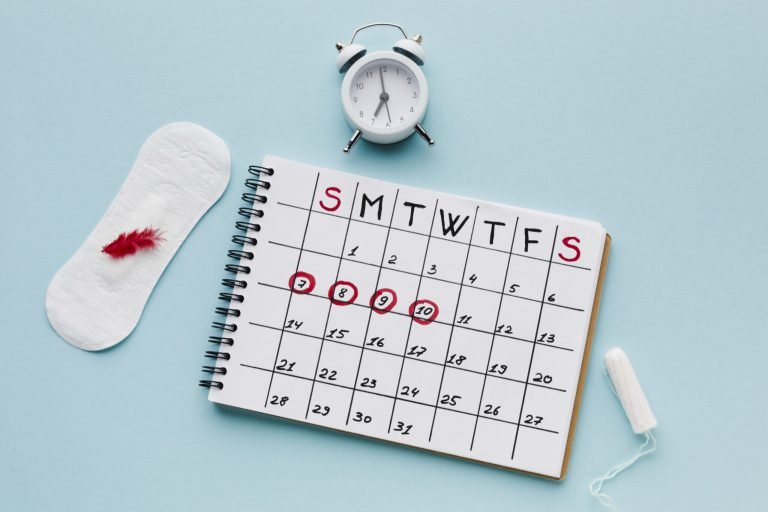
You can make it easy by using a period-tracking app, if it is difficult for you to keep a written record of symptoms. Try to use an app that allows you to add your own symptoms. Printing out a chart of symptoms is another effective way to address your symptoms.
If you become used to keeping a record of your symptoms, you may succeed in observing how these symptoms affect your daily life throughout the cycle. The process also helps rule out other conditions.
Moreover, if you have experienced any mental health problems in the past, tell your doctor. This thing may help predict certain hormonal changes especially befit your period as some pre-existing symptoms can make them worse.
What is the Diagnostic Criteria for PMDD?
Here are some symptoms that make it sure that you have PMDD. Therefore most of the ducts observe keenly to find these symptoms. If any five of these symptoms are found in a prison, they are declared as PMDD patients. These symptoms start appearing seven to ten days before your period. They include:
- Appetite changes.
- Anxious Attention.
- Depressed mood.
- Feeling out of control.
- Feelings of hopelessness.
- Marked irritability or anger.
- Mood swings.
- Physical symptoms like breast tenderness, joint or muscle pain, headache and bloating.
- Reduced interest in work, and other activities.
- Trouble sleeping.
- Trouble concentrating.
- Sleeping too much.
PMDD distracts you from your life goals. It tends to change your style of thinking and reacting to incidents. They cause severe problems in your routine activities. So, it’s better to speak up with your doctor without any hesitation. But if you feel that you aren’t paying attention to your concerns, you must seek opinion from another educator.
Treatment
PMDD is not a toe of disease that has a snake treatment. There are many factors that help you observe and keep a check on symptoms that get worse over time.
Therefore, you should try some different treatment options and choose the one that works best for you.
Lifestyle Changes
Your daily habits affect your PMDD symptoms. Change can help ease the symptoms,such as:
Adding More Exercise: You don’t need an intense workout for PMDD symptoms but just a 30-minute walk everyday can help redye anxiety and boost your mood.
Eating for Your Mood: Eating such foods that can help boost your mood , including rich sources of complex carbohydrates and proteins such as whole grains, chicken, fish and nuts can increase root tryptophan levels. The chemical is well-known for producing enough serotonin on your body, i.e. a mood booster neurotransmitter. This proves helpful because certain hormone changes cause a decrease in the levels of serotonin.
Keeping Your Stress in Check: You can’t avoid stress completely. But you can make it possible to stay away from stressors. For this you can try some relaxation techniques such as meditation or yoga. Your day out with loved ones and spending time with family and friends can also help you.
Indulging in Moderation: Avoid eating foods rich in sodium such as snacks and sweets. Limiting the consumption of alcohol and caffeine can also help you boost your mood and rescue stress.
While adopting these lifestyle habits, believe in yourself. It will be disappointing when you don’t notice immediate results because this is not magic. It is a time making procedure. Keep your efforts continue until the changes take a few weeks before they show a significant impact on your symptoms.
Therapy
Your emotional symptoms need therapeutic treatments that can help you navigate the emotional symptoms that come with PMDD. Cognitive behavioral therapy is considered most effective in this case.
The therapy helps you recognize behavioral changes that are making your life quality worse. You can get help from a therapist to help you develop new positive behaviors and thinking patterns that may help you navigate difficult situations. A CBT therapist can help you develop new tools and trucks to boost your mood even before your period.
How Medication Helps Treat PMDD?
If lifestyle changes and they do network for you, your doctor will recommend medications that may help you. Common medications used for managing symptoms of PMDD include:
Antidepressants: These are the main drugs that help ease emotional as well as physical symptoms. Its common type is subjective serotonin reuptake inhibitors (SSRIs) helps by increasing serotonin levels in your brain. These drugs include:
- Sertraline.
- Fluoxetine.
- Citalopram.
- Paroxetine.
- Escitalopram.
More antidepressants include:
- Venlafaxine.
- Aspirine.
- Duloxetine.
While taking the medications, always follow your doctor’s instructions.follow the dosage recommended by the doctors. Experts suggest that taking the same dosage everyday helps more effectively but some studies show that increasing dose during week or two may be more effective for managing the symptoms.
Hormonal medications: During ovulation, PMDD symptoms appear. Hormonal medications also help treat it. For example, birth control pills prevent you from ovulation, actually help you avoid PMDD symptoms.
Birth Control Pills: These medicines help die people but for others they just cause worsening of symptoms. Doctors recommend taking active pills every day. This helps orient you from having periods.
Gonadotrophin-Releasing Hormone (GnRH) Agonists: These drugs help stop your ovaries reducing reproductive hormones i.e. Estrogen and progesterone. Stopping the product of these hormones help PMDD symptoms. They put you into menopause initially but increase the risk of side effects, such as:
- Trouble concentrating.
- Depression.
- Anxiety.
In this case, doctors recommend you to take low doses of estrogen and progesterone that may help orient these effects. But low doses also trigger PMDD symptoms.
Where Can You Find Support?
Having PMDD affects your life activities. That’s why you may feel overwhelming. But when you get awareness about premenstrual disorders, you can overcome many of the symptoms.
However, increasing awareness about PMDD has opened many resources that help you connect with tigers who are experiencing the same symptoms and learn more about the condition.
The best way to get support is using tracking sheets, informational pamphlets. You can share this information with your loved ones if they have PMDD, online support groups and communities also help you overcome the side effects and symptoms of the condition.
In addition, PMDD also offers a range of resources that help you. These exciting free apps also let you track both the symptoms and treatments of PMDD.
Conclusion
PMDD is a condition that causes serious symptoms before, during and after your period. The condition tends to resolve on its own once you reach the menopause stage and your menstrual cycle stops completely. But before the menopause stage, the symptoms evolve every time.
Several treatment options including therapies, medications, hormonal drugs and lifestyle changes are used to treat the condition and manage the symptoms. But sometimes, all of these don’t work and symptoms get worse day by day. Tracking of symptoms helps get better ideas for how canyon change your behavior towards the symptoms and which treatment you should try.
Before you choose the best one, you have to use trial and error methods. No doubt, this would be frustrating. Therefore, you can get help from online apps, support groups or communities. Talking with a professional also offers you a potential treatment option that can connect you with others who can help make the process easier.