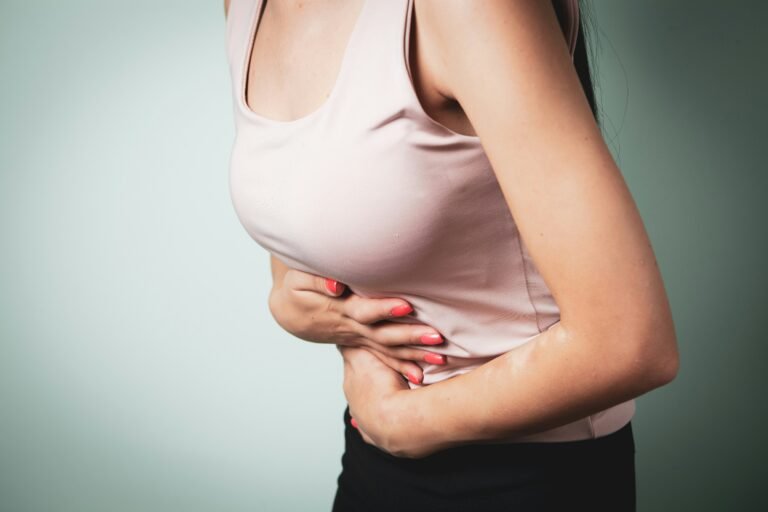


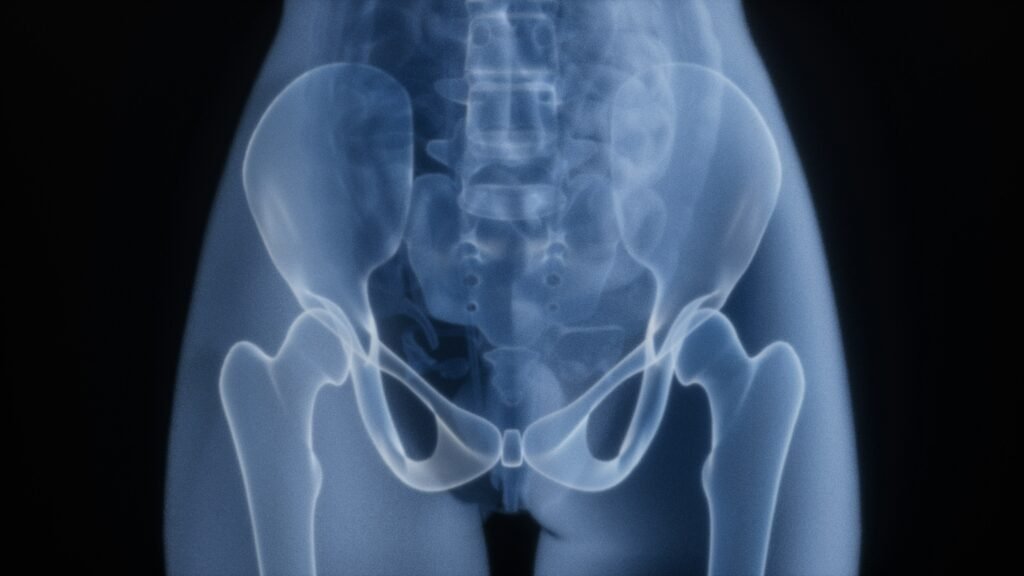
A long term constipation gives rise to several health conditions including Hemorrhoids. It occurs due to excess strain on the veins round your anus. The excessive strain during bowel movements while you have constipation causes swelling in the veins around anus. Hemorrhoids cause severe pain and discomfort during a bowel movement, sitting and wiping. Hemorrhoids are of two types, i.e. external and internal.
What are Hemorrhoids?
Enlarged or swollen veins in and around your rectum are known as hemorrhoids, also known as piles.
Two main types of hemorrhoids are:
- External Hemorrhoids: The one which is located under the skin , around the anus, outside the rectum.
- Internal Hemorrhoids: The one which is located inside the rectum and cannot be seen.
Hemorrhoids are the result of loss of flexibility in the veins present in rectum and anus. Sometimes, people develop both types of hemorrhoids at the same time. This is a common condition because every two pt of fire experience this condition at some point of their life.
Symptoms of Hemorrhoids
Most of the symptoms of both types are similar but some of them are different that help you differentiate whether it is external or internal hemorrhoids.
For instance:
- Internal hemorrhoids are identified with:
- Appearance of blood on the tissue after having a bowel movement.
- Sticking of skin that comes out from anus during bowel movements.
While external hemorrhoid can be distinguished due to the symptoms of:
- Aches or pains around anus, especially when sitting.
- Extreme itching around the anus.
- Uncomfortable lumps or selling near your anus.
When hemorrhoids form blood clots on your skin, they are known as thrombosed hemorrhoids. Sometimes internal hemorrhoids also prolapse. That prevents them retracting back into the anus. Both the thrombosed and paralyzed hemorrhoids cause severe pain.
In addition, hemorrhoids cause discomfort and pain; they are still not life threatening. They usually go away on their own without any treatment. But never ignore the bleeding from anus or black bowel movements. These are the early indications of hemorrhoids. If you experience any of these contact your doctor because bleeding is not always the sign of hemorrhoids. It may be a symptom of something other than hemorrhoids that may be more life threatening.
Moreover, if hemorrhoids do not go away after 10 to 12 days, see your doctor immediately.
What do Hemorrhoids Feel Like When You’re Sitting?
Hemorrhoids often remain unnoticed because they don’t show any symptoms in ordinary situations. But some symptoms make you feel them, such as:
- Discomfort in anal area.
- Pain during bowel movements.
- Spotting or bleeding.
- Swelling around the anus.
- Itching around the anus.
- Burning sensations.
External Hemorrhoids
External hemorrhoids cause serious discomfort, sharp pain and excess pressure, especially when you sit down. The discomfort and pain also occur when you wipe the area or have a bowel movement.
Internal Hemorrhoids
Internal hemorrhoids cause bleeding and sharp pain in your rectum because fewer pain receptors are also present in rectum. They also cause discomfort during a bowel movement. But dieting passing out the stool, they are pushed out too. The pushing out of hemorrhoids results in bleeding, pain and friction.
What Causes Hemorrhoids?
Many symptoms of hemorrhoids make you think that they are similar to varicose veins. In varicose veins, the veins and their valves become weak enough that the valves cannot control the blood flow. The over flow of blood makes the veins bulged.
Though the exact cause of hemorrhoids is still not known, there are a lot of targets that cause them. The main cause is putting pressure on anus or rectum for moving out the bowel during constipation.
In addition, sitting continuously for longer hours also increases the risk of feeling hemorrhoids. Pregnancy and could not also cause hemorrhoids in some women.
Hemorrhoids and Pregnancy
Pregnancy is the leading cause of hemorrhoids in women. This happens due to certain hormonal changes that are associated with pregnancy and cause raise in blood pressure. In most cases. Pregnant people experience hemorrhoids during the third trimester of pregnancy that is the end of pregnancy duration. This is the time when women carry more weight due to a grown baby.
In some cases, women develop hemorrhoids right after childbirth. The women who give vaginal delivery usually develop them because of intense pressure on abdominal veins and pelvic area veins.
But this discomfort or pain due to hemorrhoids after child birth usually goes away after three to four days. It is a matter of concern, if the psi doesn’t go away after the fourth day of delivery. This means the woman news doctors care. However, constipation after giving birth is common but this is not linked with hemorrhoids.
If the hemorrhoids happen after child birth or pregnancy, they heal on their own after delivery and do not affect the baby during pregnancy.
How are Hemorrhoids Diagnosed?
Hemorrhoids can be diagnosed easily by visually examining your anus. But doctors often do different examinations to check any other abnormalities within the anus before confirming the diagnosis. The detailed examination of anus and rectum is known as digital rectal exam. The examination is done by inserting a gloved and lubricated finger into the anus of the affected person to check the presence of hemorrhoids.
However, in case of having any gastrointestinal disease, doctors may ask you to have more tears like colonoscopy, anoscopy or sigmoidoscopy. These tests are performed by inserting a tiny camera into your anus to diagnose abnormalities in your colon, anus, or rectum.
On the other hand, colonoscopy is the examination of the entire colon.
All methods are based on the same procedures. A small fubar-optic camera is inserted into a small tube. The tune is further inserted into the rectum. The camera images help the doctors to get a clear view of the inside of the rectum to diagnose the hemorrhoid properly.
Treatments
Some treatments make hemorrhoids shrink on their own. Some lifestyle changes also can help make the bowel movements easier without straining. Removing pressure in rectum and colon also helps prevent hemorrhoid flare-up[s. The risk of developing disease can also be reduced by following these tips:
Dietary Suggestions:
- Add more fiber to your daily diet that may help avoid gas.
- Add more fiber-rich foods like vegetables, fruits and whole-grains. To your food.
- Stay hydrated to dissolve more fiber.
- Take a tube supplement regularly to soften the bowel movement. Eat prunes because they are natural laxatives that help soften the stools.
- Suggestions for Making Bowel Movements Easier:
- Drink at least 10 glasses of water every day.
- Keep yourself hydrated.
- Avoid caffeinated drinks to prevent worsening of constipation.
- Change your toilet habits.
- Add a tablespoon of mineral oil to your food everyday. It actually helps to ease constipation.
- Stop delaying going to the bathroom.
- Avoid putting on a bowel movement. This will make you more constipated.
- Use a small stepping stool to prop your feet up when you sit in the toilet. This will help squat your sitting position that would make your bowel movement easier.
Hemorrhoid Managing Suggestions:
Hemorrhoid symptoms can be eased and its flare-ups can be smoother by:
- Avoiding strenuous exercise and other activities that cause friction.
- Avoiding dry toilet papers.
- Using water and wipes fur washing.
- Voiding alcohol or perfumed wipes.
- Applying witch hazel with a cotton pad.
- Sitting on a soft pillow or couch.
- Avoiding sprays, deodorants, or douches in the groin area.
- Using ice packs or cold compresses.
- Avoiding tight clothing and rough fabrics.
- Soaking in a warm water bath.
- Keeping the area clean.
- Using numbing creams.
- Applying topical ointments, spray and creams with hydrocortisone.
- Taking in pain medications as needed.
- Sitting in a reclining or rocking chair rather than sitting upright.
What Procedures are Recommended for Treating Hemorrhoids?
If the hemorrhoid doesn’t go by using above mentioned tips, you can contact your doctor for receiving a recommendation for some medical procedures to prevent more complications. Hemorrhoids are associated with several complications like infections, inflammation, and blood clots.
But the thing you should keep in that treatment always depends on the tie if hemorrhoid. Sometimes, tone time treatment is not enough. It has to go more than twice.
Common medical procedures fur hemorrhoid include:
Sclerotherapy
External and internal types of hemorrhoids can be treated with sclerotherapy injections, a chemical solution is injected in your hemorrhoids that makes it shrink. These injections also help treat damaged veins in the rectal area. But the procedure takes more than a few days.
Laser Treatment
Internal hemorrhoids sometimes need laser treatment. Laser helps harden the blood inside the hemorrhoid. Doctors also use light and heat therapy for the same purpose.
Cryotherapy
This is also known as cold cold therapy. In this method cold air or gas is used to shrink the hemorrhoid.
Band Ligation
In this procedure, one more rubber band is placed at the base internal hemorrhoid to cut off the blood circulation. This help;s shrink the hemorrhoid within a week.
Thromboectomy
This is an effective procedure that helps remove a blood clot from an external hemorrhoid. The affected area is numbed, then a small cut is made in it to drain it. Sometimes the stitches are done on the cut area.
Surgery
It is the last option. If all other methods fail to ease the symptoms of hemorrhoid, your doctor may recommend surgery to remove it. Doctors use anesthesia depending on the size of incision they want to make.
Two main types of hemorrhoid surgery are:
Hemorrhoid Stapling: In this method, your surgeon places a surgical staple at the back if colon to block blood flow to the hemorrhoid. This leads to complete shrinkage of hemorrhoids. The method is useful for treating internal hemorrhoids.
Hemorrhoidectomy: This is a complete removal of hemorrhoids. The method is used for both types of hemorrhoids.
Medications for hemorrhoid
Mild symptoms of hemorrhoids can be managed with certain over-the-counter medications, such as:
- Lidocaine.
- Laxatives (stool softeners).
- Witch hazel.
- Hydrocortisone cream, suppositories, and ointment.
- Doctors sometimes also prescribe some antibiotics especially if there’s a risk of infection.
Conclusion
Hemorrhoids develop when you put intense pressure or strain on your intestines while having wide movement. Long term constipation ,as you strain your intestines leading to severe conditions known as hemorrhoids. They are communion for adults. In most cases they resolve on their own and it causes serious harm. But if you experience any signs of hemorrhoid development that are going away after a week, talk to your doctor.
Severe pain or bleeding are the symptoms that indicate your hemorrhoids are going to create serious trouble. Your doctor will examine the area to learn how severe the matter is and what complications you may have in future.
If you’re pregnant or nursing a baby, your hemorrhoids must be rated as soon as possible. But doctors typically prefer to wait and recommend meditations for treatment. Some natural treatments are considered more effective to treat hemorrhoids such as fiber-rich food and supplements.
In addition, drinking plenty of water, sitting in a warm bath, and applying natural remedies such as witch hazel compresses that help soothe the area. Other additional treatment options include over-the-counter creams and medications.
In short, hemorrhoids need lifestyle changes . but if you fail to perform them properly, you’re going to seek medical care. Avoiding highly processed and spicy foods can also help ease the symptoms.