

Have you started feeling a sudden urge to urinate frequently? The condition turns into incontinence when the situation gets worse and triggers involuntary release of urine.The symptoms are difficult to manage initially because Overactive Bladder (OAB) is often unpredictable. This condition forces you to limit your social activities that ultimately affects your quality of life. The lack of social interaction leads to emotional disgust that causes isolation.
But the good thing is overactive bladder can be treated with several treatments that also help manage its symptoms. The in time and effective treatment helps reduce frequency of incontinence and also improves your outlook for condition.
The article is helpful for you if you’re interested in learning more about the overactive bladder, its symptoms and treatments.
What are the Symptoms of Overactive Bladder?
If you experience occasional incontinence, it doesn’t point to OAB. This means the urgency and frequency of urination actually helps you diagnose the condition.
However, some symptoms also help determining Overactive Bladder diagnosis, including:
- A pattern of waking up more than once per night to use the bathroom.
- An uncontrollable and urgent need to urinate.
- Frequent involuntary release of urine.
- Frequent urination.
However, these symptoms are not permanent. They tend to vary person to person. Therefore, OAB is difficult to diagnose. You need consulting a professional healthcare provider for diagnosis. They may help you identify the OAB symptoms that can lead to finding better treatment options.
also read: https://onlinehealthpoint.com/type-2-diabetes-and-skin-health/
What are the Causes of Overactive Bladder?
Your brain controls all functions of your body including urination. Urine is actually produced by a pair of kidneys in your body. It then transferred to the bladder. Now the brain tells the bladder when to urinate. Signals from the brain direct the pelvic floor muscles to get relaxed to allow urine to exit the body. But overactive bladder causes involuntary contraction in pelvic muscles making you feel like you need to urinate urgently, even if your bladder is not full.
Some factors that contribute to triggering OAB symptoms include:
- Excessive consumption of alcohol or substances that irritate the bladder.
- Consuming fluids in large quantities.
- Incomplete emptying of your bladder when urinating.
- Using medications that increase urine production.
- Urinary tract infections (UTIs).
In addition, age is another important factor that triggers the OAB symptoms. But this doesn’t mean that OAB is the typical part of aging. Therefore, it is considered hazardous for your health if you ignore the primary symptoms of overactive bladder. Whenever you experience any of OAB symptoms, make an appointment with your doctor.
Treatments for Overactive Bladder
Several treatment options help you manage symptoms of Overactive Bladder. Some of these are:
Medications
Several medications are available that help reduce episodes of incontinence and urge of urination. Some medications also help relieve other relevant symptoms of OAB.
The most common educations used for these purposes include:
- Mirabegron.
- Trospium.
- Tolterodine.
Pelvic Floor Physical Therapy
Physical therapy focuses on pelvic muscles contraction and relaxation. Psychotherapists ask you to do targeted muscle exercises that strengthen your pelvic floor. They also guide you how to manage a variety of urinary problems with exercise. Specific exercises and physical therapies help control urgency and frequency of urination that causes improvement in nighttime symptoms.
Botox
Increased frequency of bladder muscles contractions causes overactive bladder condition. Doctors often use small doses of Botox that help paralyze or weaken your bladder muscles to reduce OAB symptoms.
The most common form of Botox doses is injections because most people can time them due to very few side effects. Their effects last for 7 to10 months. After this time limit, you may need another round of injections to manage OAB symptoms.
However, some complications are also associated with Botox injections. Therefore, it is better to talk with your doctor about any concerns you have even Botox injections are available as an easy option for OAB treatment.
Percutaneous Tibial Nerve Stimulation
Disturb able in the electrical signals or nerve impulse from brain to your bladder also is a great cause of overactive bladder. Therefore, doctors often choose method that changes these electrical shocks or nerve impulses. An electrical stimulation procedure is used to change the electrical impulse generated by your brain. The doctor inserts a small needle into your lower jaw through your skin.
The research is limited for nerve stimulation effectiveness for OAB treatment by many states have shown that the procedure truly helps reduce urgency and fluency of OAB symptoms.
Surgery
When medications, physical therapy and nerve stimulation don’t work and you find it impossible to control your urine, you might undergo surgery with the consultation of your professional doctor. Surgical procedures help increase your bladder’s capacity.
Sacral Nerve Stimulation
Nerve impulses convey the message to empty the bladder when it is full. If you don’t urinate at that time electrical nerve impulses keep on generating to make you alert about fullness of bladder. This is a natural and normal phenomenon but if impulses start to cause frequent urination or urges even when you have already urinated, you may have developed OAB.
A sacral nerve stimulation procedure helps regulate the pulses so that the accurate and necessary nerve signals can be sent to your bladder only when you need to urinate. In this procedure, a small electrode is placed under the skin of the buttocks or lower abdomen. The electrode regulates the abnormal pulses.
Urinary Diversion
Ureters (urine carrying tubes originating from your kidneys and end into the urinary bladder) can also control and reduce the frequency and urge to urinate. But ureters need to be rerouted.
This is also known as bypassing your bladder. In this procedure, doctors create an opening in your abdominal wall where urine can be emptied into an ostomy bag.
Bladder Augmentation
A small sized bladder also causes OAB symptoms. That’s why doctors usually suggest enlargement of the bladder through a procedure known as blade augmentation. But this surgical procedure is recommended to only those for whom all other treatment options have stopped working.
What are Natural Treatments for Overactive Bladder?
Along with all the above mentioned necessary medical treatments, some complementary treatments also prove helpful in many cases of OAB. but you shouldn’t use any of these without ta;king with your urologist or primary healthcare provider. Whether it is a primary or complementary treatment, you need to consult a professional urologist.
Anyhow, the important examples of complementary treatments include:
Acupuncture: In this procedure, fine-tipped needles are inserted into the skin of your specific body areas. The insertion of needles make those areas active that further helps to restore the flow of energy followed by these symptoms. According to an old research, acupuncture is the most effective method that relieves OAB symptoms but unfortunately there is not enough evidence to verify its effectiveness.
Homeopathic Remedies: Listening to your body often helps finding out the actual cause of the condition so that you may eradicate the cause and get relieved. Homeopathic treatment relies on body listening. The treatment includes strategies to address your whole body including your bladder. The procedure involves mushers training in your bladder area. This is the effective way to increase the length of time you can go between feeling an urge to urinate and actual urination.
Use of Minerals and Vitamins: some types of minerals, vitamins and herbs provide specific supplements that help treat OAB.
For example, gosha-jumki-gan is a Chinese herb that is used to treat the condition.
In addition,extract of corn silk and capsaicin are also effective. But never forget to talk to your healthcare provider before trying any of these natural remedies for OAB.
Overactive Bladder Diagnosis
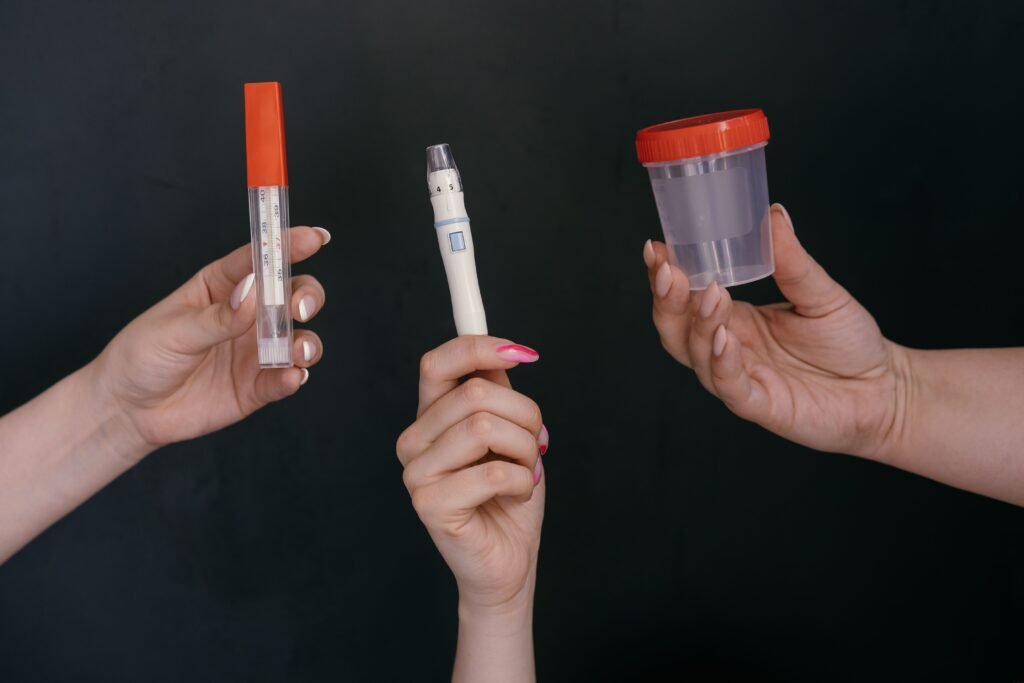
Several tests are done to diagnose OAB conditions. Generally, a urologist works with you to find out the causes of OAB symptoms. Urologists are the specialists who help people treating urinary tract diseases.
Common testes used to diagnose overactive bladder include:
Bladder Scan: This is an ultrasound scanning test that involves the measurement of urine left in your bladder after urination. Cystoscopy: this test involves identification of symptoms whether they are due to any abnormalities within your bladder like tumors or stones. Doctors insert a lighted scope into your bladder after sedating you. During this procedure, doctors sometimes take biopsies.
Physical Examination: This examination helps find out any tenderness around your kidneys or abdomen. Tender abdomen indicates enlarged prostate that is known as sign of overactive bladder.
Urodynamic Testing: This is a vast series of tests that involves assessment of your bladder’s capacity to store and empty urine.
Urinalysis (Urine Testing): Urologists take a sample of your urine to check for any abnormalities in your blood or plasma. The procedure also helps find out a UTI or any other urinary tract problem.
However, these are not-the only tests that are used for OAB diagnosis. Doctors also use many other tests to confirm or rule out OAB symptoms.
How Diet Affects Your Bladder Health?
Your dietary choices directly affect your bladder’s health. Your diet often consists of certain types of drinks and foods that cause stress on your bladder, increasing the risk of OAB symptoms and irritation in bladder or urinary tract. Such foods prove hazardous for your urinary health.
But it is true that a food that affects anyone’s bladder may not prove harmful for you. Try to have a balanced diet according to a proper diet plan that includes food that doesn’t create stress on your bladder.
Keeping a record of foods that make your OAB symptoms worse also may help them ease.
Foods and drinks that cause bladder issues include:
- Alcohol.
- Citrus fruits and juices.
- Carbonated drinks like soda.
- Caffeine.
- Drinking a lot before bed.
- Excessive fluid intake.
- Gluten sensitivity.
- Raw onion.
- Sour cream.
- Tomatoes.
Exercises that are Effective to Relieve Overactive Bladder
Urinary tract muscles play a vital role in holding urine when you don’t want to urinate. They also help urinate when you have an urge for urination. Muscles around your bladder until emptying the bladder while urinating.
If you get succeeded in strengthening these muscles through exercise, you can manage OAB symptoms easily. But always work with a physical therapist to choose the best exercise for strengthening your bladder.
Common excuses for bladder muscle strengthening include:
Bladder Training: These exercises make your bladder muscles strong enough that you can easily hold your urine for longer. This is the best way to reteach your muscles and nerves in the urinary tract to work according to your command.
This strategy helps delay inundation by extending the time between the urge to urinate and actual act of urination.
Pelvic Floor Exercises: They involve certain types of body movements that help you strengthen the muscles around your pelvis. You gain more strength to stop and start urinating more effectively. This also helps you enhance your potential to reduce unintentional urination.
Vaginal Cones: If you can do pelvic floor muscles exercises properly, use a deuce called vaginal cone. The device helps you move the targeted muscles separately.
Conclusion
Overactive bladder creates serious challenges in routine life but you can take steps to ease the symptoms. Medical Sciences has introduced several effective treatment options to reduce frequency of urge for urination.
The condition is specifically characterized by an uncontrolled and frequent urge to urinate. This also includes involuntary release of urine that impacts your quality of life by inducing fatigue and lethargy along with weakened immune system.
Unpredictability about urination makes you uncomfortable and you start avoiding social gatherings.
Its diagnosis involves several tests like physical exam, bladder scanning and specialized tests. They all help identify underlying causes that trigger abnormalities in the bladder such as UTIs. That’s why experiencing OAB symptoms means you need to talk with your professional healthcare provider. Doctors help you understand potential classes and best treatment options for OAB.
Common methods to manage OAB symptoms include medications, Botox injections, exercises to relax bladder muscles, nerve stimulation and for last stage cases surgical options. These strategies help increase your bladder’s capacity. Working together with your urologist and physical therapist can help develop a treatment plan that can address all concerns related to overactive bladder.