


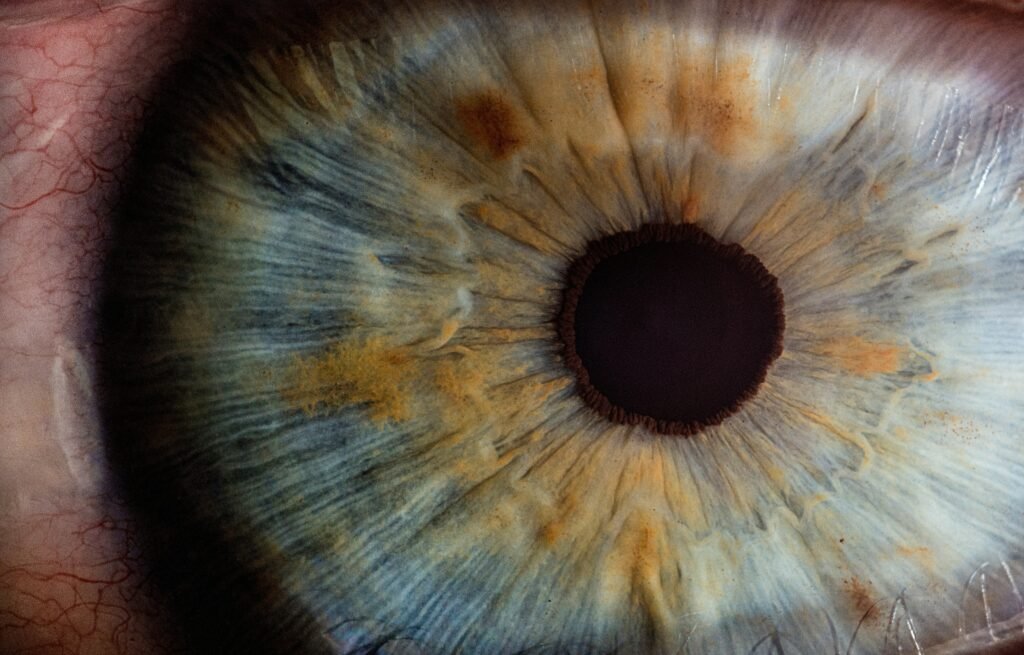
Do you know that there’s a layer of specific tissues in your eye which is made of very sensitive cells, known as Retina? Retina actually works as a screen where the lens of the eye makes an image of the things you see. Cancer of Retina is known as Retinoblastoma. Young age children often below age 10 usually get affected by this type of eye cancer. A rough estimation showed that around 90 to 1000 children get affected by retinoblastoma each year in the U.S. this is a curable disease. Furthermore, barely all (98 out of 100) children with retinoblastoma are cured with effective treatment.
If we talk about the disease at international level, about 10, 000 children develop retinoblastoma each year. This is a rare type of eye cancer that directly affects your retina. The retina is close to the optic nerve that works for converting light into electrical signals that are transmitted to your brain, where the signals are further converted to the images, so that you can see things.
Although this type of cancer usually affects young children, it also affects adults and old age people. The common symptoms include the white color of the pupil when light shone on it, reduced vision and crossed eyes.
In addition, retinoblastoma also is a triggering factor of blindness and even death. Without treatment it becomes a serious ailment that can cause permanent blindness. Its common treatment options include laser therapy, surgery and chemotherapy.
What are Forms of Retinoblastoma?
Retinoblastoma has two forms:
- Heritable Form: When the diseases pass on in the family or when some children have an affected parent. The tumor of cancerous cells sometimes are bilateral; i.e. found in both eyes while sometimes only in one eye.
- Non-Heritable Form: This retinoblastoma is not passed to the next generation tumor and is found in only one eye.
Causes of Retinoblastoma
Studies show that the common cause of retinoblastoma is the abnormality in the retinoblastoma gene (RB1). Around half of all cases belong to a heritable form of retinoblastoma. So, the affected gene is often inherited from one of the patents or sometimes it happens for the first time at an early stage of fetus development in the womb.
If a member of your family or you have retinoblastoma, you can get help from genetic counseling programs and groups.
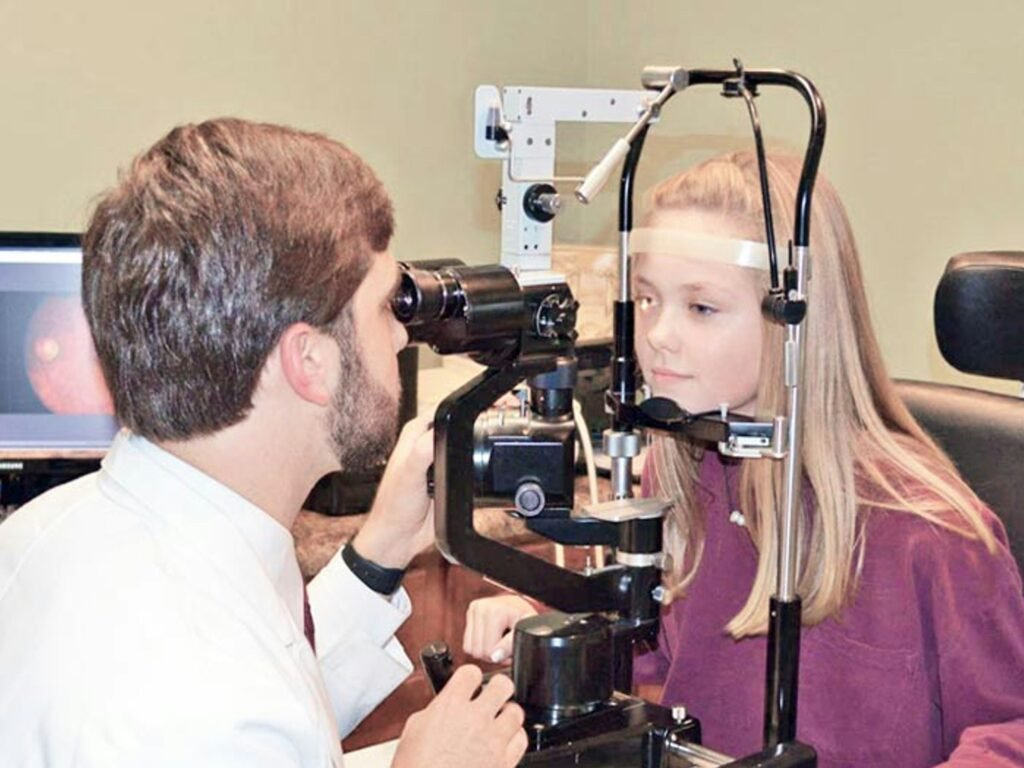
Some children get that gene from their parents as inherited genetics. Therefore, blood testing is offered to locate abnormal genes in the children born into families with a history of retinoblastoma. Children who are diagnosed with inheriting the altered RB1 gene from a park are known to be at a greater risk of developing retinoblastoma eye cancer. However, further screening is necessary to confirm the results. The screening and blood testing often starts shortly after the bush and is repeated regularly. The regular screening helps start treatment as early as a tumor develops.
In the non-heritable form of this eye cancer, the abnormal gene RB1 affects only one cell on the retina. But the exact cause of this is not known.
Signs and Symptoms
If a child is born into a family with retinoblastoma history, the regular screening makes sure to pick up a tumor before they have any symptoms.
But if there;s no family history found with retinoblastoma, you may look for the first and prominent signs of the condition that is known as white pupil that cannot reflect light. Inability of tretinoin to reflect light is called leukocoria. You can identify it when you take a picture of your child by using a flash. In the photograph, you may find it clear that the affected eye will look white in color.
In addition, some children also experience pain in the eye due to larger tumor and some may have a squint.
How Does Retinoblastoma Cause Blindness?
Untreated or undetected retinoblastoma often develops to a larger tumor that continues growing. Eventually, it becomes difficult or even impossible for the eye to perform its normal function because the size and location of the tumor causes obstruction in its functioning that often leads to a complete vision loss.
The continuous growth of cancerous cells often leads to spreading of them to the other areas of your body that will be outside of the eye. This also impacts your eyesight negatively.
Along with all these facts, students also have confirmed the reality that certain treatment options for retinoblastoma also can lead to blindness. For example laser therapy often results in damage or scarring to the tissues inside your eyeball, causing a permanent loss of vision.
In case the retinoblastoma has not been detected or treated on time, the whale eye ball may get affected. Therefore, the eyeball needs to be removed through a surgery called enucleation operation. If the treatment is applied on both eyes, it often results in complete blindness.
Therefore, it is suggested to discuss thoroughly with your doctor if the treatment for retinoblastoma has any negative effect on your eyesight in future. Especially if it is your child;s eyesight, you should be more careful about choosing a treatment for the condition.
Diagnosis of Retinoblastoma
It is impossible to diagnose retinoblastoma without a series of tests and investigations. In case of your child, observe keenly all the tests and investigations that are suggested for the treatment if a clot is suspected with retinoblastoma, the area firstly referred to the eye specialist for the confirmation of diagnosis and treatment. In many countries, the specialist centers for detecting and treating the condition are working.
For proper investigation or detection of condition, the eye is examined under anesthetic, a specialist ophthalmologist who examines a child’s eye when they’re asleep. The appearance of white eyeballs makes them sure about diagnosis.
Other tests required to check the location, and size of tumor and to know whether it has spread into surrounding areas include:
- Blood tests.
- MRI scan.
- Ultrasound scan.
- Bone marrow sample.
- Lumbar puncture test.
AFS (aqueous fluid sampling): It is obtaining the DNA from the tumor through the fluid in the tumor from the front eye. The examination of this sample helps doctors understand more about the genetics of the tumor.
OCT (optical coherence tomography): It helps create detailed images of the back eye with help of reflex light rays.
Staging of Eye Cancer
The sting of cancer is a term that explains the size and location of tumors in the eye. It also helps find out the information related to the spreading of cancer to other areas of your body out of sight. Getting exact information about the type and stage of your child’s retinoblasts helps the doctors to suggest the most appropriate treatment.
The staging system for retinoblastoma, used around the world is as follows:
Intraocular Retinoblastoma
This is the stage when a cancer tumor resides in one or both eyes but it has not spread to the surrounding issues or organs. The stage is sub-divided into further five grades. The grading depends on the location and size of the tumor and on the fact that there’s damage to the eye.
Two most common testing systems are:
- IIRC (staying from A to E)
- TNM System (staying from cT1 to cT4).
Extraocular Retinoblastoma
The stage informs you that cancer has spread outside the eye into surrounding tissues, nerves or other far from eye parts of the body.
Treatment for Eye Cancer
The size, position and number of tumors help decide what type of treatment will work for your child’s problem. The doctors started treatment to get rid of the cancer but the second sorority is to save as much as eyesight as possible. You must have a talk with your child’s doctor about the risks as well as advantages of the treatment your child is offered.
Local Therapy
In common, doctors often starts treatment as vocal therapy. They treat the smaller tumors through this method. They treat the tumor under anesthetic while your child is sleeping. So, you can first try this local therapy but in case of failure any combination of the following methods can be used:
Crayotherapy
This freezing treatment method is applied to the outside of the eye. It is done in more than one session and often done at monthly intervals.
Laser Therapy
In this treatment, a laser beam is directed through the pupil that heats up the tumor. This is also done in more than one session. It usually needs the intervals of 4 to 5 weeks.
Plaque
In this treatment method, a small radioactive disc is stitched to the outside part of the eye in a way that it overlaid the tumor. The radiation are directed to the disc. The disc must be paid for extras four days consecutively so that the therapeutic procedure can destroy the cancer cell. This is a very delicate procedure. Therefore, the patient is kept in hospital under the strict supervision of professional doctors. This method is effective for destroying slightly larger tumors, or for those which have not been successfully treated with other methods.
Thermotherapy
In this treatment method, heat waves are used to destroy the cancer cells. But the method is not effective when applied alone. Combination of thermotherapy with chemotherapy or radiotherapy acts more effectively for destroying the cancer cells. This means heat improves the effectiveness of these treatment methods. Laser is used to produce heat waves that are bombarded to tumors.
Chemotherapy
This treatment option is considered most effective for destroying cancerous cells in the body. Anti-cancer drugs are used to destroy the large size tumors, whether the cancer has spread or there’s a risk of spreading it. Doctors use this method in combination with local therapy. They also suggest the suitable drug for your child to treat retinoblastoma.
There are two types of chemotherapy.
- Systemic Chemotherapy: It is given before any local therapies. It is given into the veins and helps destroy tumors.
- Intra-Arterial Chemotherapy: The drugs are injected directly into the blood vessels that supply blood to the eye. In this way high doses of chemotherapy drugs can reach the eye with less side effects. When the tumor does not respond to systemic chemotherapy or other initial treatments, IAC is used to treat retinoblastoma.
- Intra-Vitreal Chemotherapy: The chemotherapy drugs are directly injected to the central gelatinous part of the eye. Higher doses of chemotherapy easily reach this area and destroy the seeds or recurrence of retinoblastoma on retina. This method is applied with a combination of IAC or chemotherapy.
Surgery
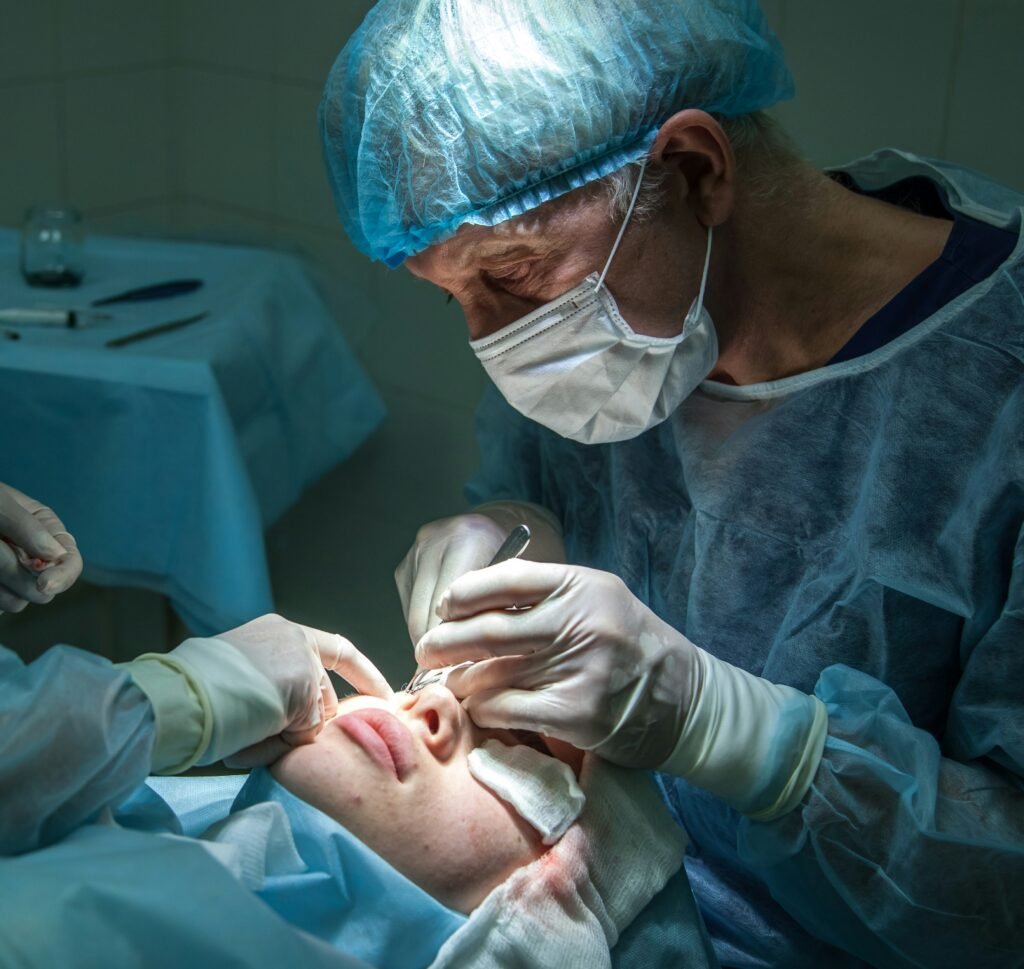 Retinoblastoma
When the matter gets more complicated and the vision is lost, an operation is needed to remove the eye. The surgical removal of the eye is known as enucleation. An artificial eye is fitted here but the method is only used if it is necessary.
Proton Beam Radiotherapy
In this treatment option, doctors direct the high energy radio beams to derive the cancer cells in the eye. This type of radiography is used for destroying the cancer cells that are left behind in the orbit or optic nerve after enucleation or when the other options did not work to treat retinoblastoma.
It can cure the whole eye and destroy the cancer cell everywhere but it also has some eye effects on surrounding tissues. Therefore, doctors do not prefer this treatment ,and for treating retinoblastoma.
Follow-Up Care
Medical advancements in technology have made it possible to cure retinoblastoma with greater accuracy. In case of children, doctors continue monitoring the child closely with regular examination even after the treatment has finished. A child’s general health and any long-term effects are also observed and controlled. Genetic counseling is also necessary especially for the children living with inherited retinoblastoma.
But the danger lies there in severe form when heritable retinoblastoma is found. This condition increases the risk of developing other types of cancer in later life. Therefore, these children are encouraged to observe themselves keenly to be aware timely when there;s a lump or irritation in vision.
Following these tips can help such children reduce the risk of developing cancer:
- Add regular exercise to your routine.
- Eat a healthy diet.
- Avoid smoking.
- Reduce the alcohol consumption.
- Protect your skin from the sun.
Conclusion
Retinoblastoma is a form of eye cancer that damages the retina of the eye especially in children below the age of 5.
If it is heritable, parents should keep an eye on appearing the relevant symptoms but if it is not genetically transferred the patient can experience the symptoms of their own.
Early diagnosis and treatment can provide complete cure and also reduces the risk of further complications and side effects. However, without treatment, retinoblastoma can end in complete blindness, vision loss or even death.
Chemotherapy, laser therapy, radiotherapy and surgery are the most common methods used for treating retinoblastoma.