

Muscle weakness and strain often lead to hernia formation. Its ultimate treatment is surgery. Hernia is a condition that occurs when intestine is pushed through an opening into tissues or muscles that hold it in place. Hernia commonly occurs in the abdominal cavity between your hips and chest. However, it sometimes spreads to the groin and thigh areas.
According to medical science, hernias aren’t life threatening, but they need a proper treatment. They don’t go on their own and require surgery for their removal so that the dangerous complications might be prevented.
Types of Hernia
This article contains all necessary information about hernias. Keep on reading to learn about its types.
Common types of hernia include:
Inguinal Hernia
This is the most common type of hernia that occurs when the intestines start testing through a weak spot like abdominal wall, like inguinal canal. In males, these canals originate from the groin. These canals connect the abdomen to scrotum through spermatic curds. The spermatic cords are attached to testicles.
However, in females, the Inguinal canal helps hold the uterus into its place through a ligament called a round ligament.
In addition, inguinal hernias affect more males than females because the testicles in men descend to the inguinal canal immediately after birth. But sometimes, they can remain open from a certain point leaving the weakened area. This type of hernia needs surgical removal.
Hiatal Hernia
Thistle of hernia occurs when a certain part of your stomach tries to protrude into your chest cavity through diaphragm sheets. Diaphragm supports your breathing process as it is contraction and dilation helps inhaling and exhaling air into and from lungs. It also acts as a boundary membrane that separates your chest cavity from your abdominal cavity.
People with age more than 60 often experience this type of hernia but certain congenital birth defects also cause hiatal hernia in children.
These hernias also cause gastroesophageal reflux disease (GERD) that result in the backward leakage of the stomach content into the esophagus. The backward flow of stomach content causes a burning sensation in the alimentary canal. Taking intense care with exercise and a healthy diet can help improve its symptoms but most people recommend surgical repair for GERD.
Umbilical Hernia
This type of hernia affects both adults and children equally. Its major cause includes the bulging of intestines through the abdominal wall near your belly button. The bulged mass appears clearly near the belly button in children especially when they cry.
This is the only type of hernia that can go on its own when the abdominal wall muscles become stronger over time. It affects the children of age 1 to 2 years old. But if it doesn’t go at the age 5, doctors recommends surgery to correct it.
In adults this phenomenon occurs due to consistent pressure on abdominal cavity due to pregnancy, obesity and fluid accumulation in abdomen.
Ventral Hernia
When tissues in your abdomen stay bulging through abdominal muscles, you may experience ventral hernia. The hernia decreases in size when you lay down. This type of hernia often was in the body at the time if right but many cases have been observed where people get it at some point of their lifetime.
It usually occurs due to:
- Perming strenuous activities regularly.
- Obesity.
- Pregnancy.
A point of surgical incision also gives rise to ventral hernia. But this time they are known as incisional hernia. They came into being due to surgical scarring or weakness of abdominal muscles at the surgical site. Its repair needs surgical correction. But never think of leaving them untreated as they can cause complications like hernia strangulation.
Symptoms of Hernia
Hernia is easily identified due its clear and prominent appearance, i.e. a bulge or a lump in the affected area. The lump ensures that you have hernia but sometimes, the lump disappears especially when you lay down. You may feel the lump when you stand up, cough or bent down.
Pain and discomfort around the area where lump is located is another big symptom. However, more specific symptoms of hernia are:
- Pain or burning in the chest cavity.
- Heartburn.
- Difficulty in swallowing.
There are a number of cases where hernia did not show any symptoms. Therefore, you may not know that you have hernia unless they appear during a physical exam or routine physical checkup.
Moreover, some emergency symptoms also help identify hernia, such as:
- Pain in affected areas that suddenly gets worse.
- A lump that turns red or purple.
- Difficulty in passing gas.
- Trouble in bowel movements.
- Fever.
- Vomiting.
- Nausea.
Causes of Hernia
Hernia is the result of muscle weakness or strain. But it can be developed through many tiger causes.
Common causes of developing hernia include:
- Aging.
- Lifting heavy weights or doing strenuous exercises.
- Problem in liver function, (ascites).
- A congenital condition that is present for child birth time occurs during developmental phases in the womb.
- Having obesity.
- Constipation that makes you produce excess pressure on your intestines when having a bowel movement.
- Damage from an injury or surgery.
- Pregnancy, especially having multiple pregnancies.
- Chronic obstructive pulmonary disorder (COPD) or chronic coughing.
In addition, there’s a list of certain risk factors that can increase the chance to develop hernia. These are:
- Being over 60.
- Cystic fibrosis.
- Smoking which leads to weakening of connective tissues.
- A family history of hernias.
Diagnosis
The diagnosis for hernias starts with a physical exam. Your doctor asks for a complete physical exam. During a physical exam, the confirmation of presence of a bulge or limp in your abdominal or groin areas is the indication of hernias. The lump feels heavier when you cough or stand. Afterwards, doctors study your medical and family history. They often use imaging tests to aid the diagnosis procedure.
The common tests for this purpose are:
Abdominal CT Scan: X-rays technology is imbued computer technology for having an abdominal CT scan that produces a clear image of lump and affected area.
Abdominal MRI: A combination of radio waves and strong magnets used to create a clear image of affected area and bulge.
Abdominal Ultrasound: High frequency sound waves are used to create the images of the internal structure of your body to find the location of hernias. If you’re suspected with the presence of Hiatal hernia, your doctors may use some other tests to assess the inside condition of your stomach. These tests include:
Endoscopy: A small camera threaded with a thin tube is passed down to your throat, esophagus and stomach to capture the inside images.
X-ray of Your Digestive Tract: Your ducts will make you drink a special liquid that helps your digestive tract appear highlighted on X-ray images. The liquids used for this purpose include liquid barium solution or diatrizoate meglumine.
Hernia Treatment
Surgical rescue is the only effective treatment for hernia. But sometimes, people don’t want to have surgery. The choice of lesion doesn’t matter because the size of hernia decides whether surgery can be cancelled or not. Even after surgery, doctors monitor your hernia for observing recurring symptoms.
Studies show that some methods other than surgery are also used to manage hernia symptoms, like wearing a truss, a supportive undergarment can help hold the hernia in place. This may help ease some symptoms. But you cannot do this on your own. You need to discuss with your doctor before using a truss.
However, hiatal hernia can be treated with some over-the-counter and prescription medications. These medications help reduce stomach acidity and reduce the discomfort. Common medicines are:
- Receptor blockers.
- Proton pump inhibitors (PPIs).
- Antacids.
Home Remedies for Hernia
Home remedies can just help manage or ease certain symptoms of hernia. There’s no such remedy that can treat it. So try to:
Increase your fiber intake such as fruits, vegetables and whole grains to help receive constipation.
Making some dietary changes to hemp with symptoms of hiatal hernia, such as:
- Maintain a moderate body weight.
- Avoid heavy or large meals.
- Avoid foods that can cause acid reflux like tomato-based or spicy foods.
- Avoid lying down after a meal.
- Giving up cigarette smoke also proves helpful in easing symptoms.
Hernia Exercises
Strengthening of muscles around hernia not only reduces the risk of developing hernia, but also promotes weight loss.
Several studies support that practicing a regular routine of workout helps the receiver after hernia surgery. The people who follow a proper exercise program after hernia surgery often get rid of complications following surgery.
Some types of excuses, like exercises that increase pressure in the area of hernia and strain the abdomen area can cause the severity in symptoms of hernia including more bulging. Sane us the case with doing leech improperly.
Therefore, people with hernia are suggested to consult a physical therapist or doctor to learn what type of workout is best for them. Physical healthcare providers can help to choose the best one that provides you all benefits with safety.
Hernia Repair Surgery
Your surgeon can help you decide when you will go for hernia surgery. In most cases the growing hernia, extra hole in your abdominal wall are the cause of surgery. You are sure to repair the hole by sewing it closed. Hernia also causes the body’s passageway opening even wider than usual. In such cases, surgery is done to tighten the opening.
Hernias are repeated with either open or laparoscopy depending on toys specific symptoms.
Recovery from Surgery
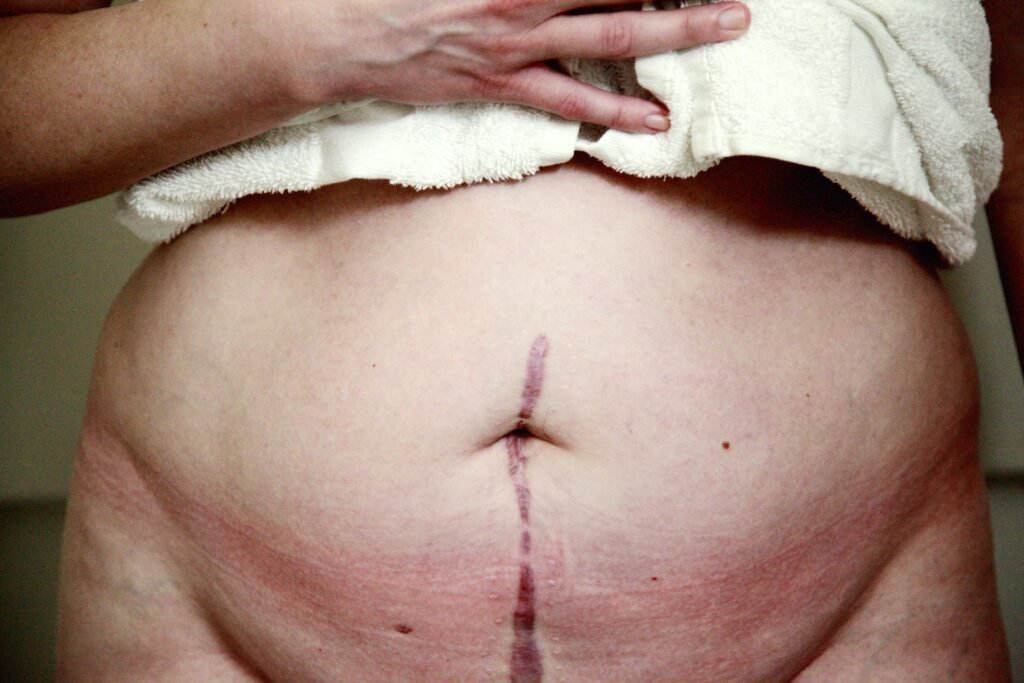
Most of the people experience pain around the surgical site, after surgery. Prescribed medications often help ease the pain and discomfort. This is the journey towards everyone.
But you need to follow your divvy;’s instructions carefully involving wound care. In case of experiencing any infection at the surgical system, contact your doctor promptly.
Other signs of worry after hernia surgery include:
- Pain that suddenly worsened.
- Fever.
- Discoloration or drainage at the site.
After hernia repair, you cannot move freely for several weeks. Any strenuous activity like weightlifting or climbing stairs may prove hazardous for you. Your doctors professionally informs you about these safety cones and recommends you to sit away from such activities for a certain time.
However, laparoscopy needs less time after surgery recovery than open surgery. You can ask your surgeon when it is time to return to your routine activity.
Hernia in Babies
Hernia in babies is a matter of great convenience because a large number of babies are born with umbilical hernia. Premature and low birth weight babies usually have more risk of birth with hernia. These hernias are found near their belly button. This makes the portion of intestine bulge out. When the baby cries, the hernia becomes more visible.
Although hernia in babies are painless but some symptoms need immediate medical care, such as:
- Vomiting.
- Swelling at hernia site.
- Pain at hernia site.
Talk to a pediatrician if your baby has umbilical hernia. These hernias usually disappear after age of 2. But if they don’t disappear till the age of 5, doctors recommend surgical repair.
Hernia Prevention
There is no way to prevent hernia development. It develops due to different triggers like a previous surgery or existing inherited condition.
You can follow these tips to reduce strain on your body that is the leading cause of hernia development:
- Maintain a moderate body weight.
- Eat food rich in fiber.
- Quit smoking.
- Avoid weightlifting exercises.
- Don’t lift something heavy enough that maybe your back, waist or knees bend.
- Perform muscle strengthening exercises that help strengthen your abdominal muscles.
- Avoid straining while having a bowel movement.
Conclusion
When your intestines push themselves through an opening in the tissue of muscle that builds it in place, hernia develops. It typically looks like a visible bulge in the abdomen that becomes more noticeable when you’re in standing position.
Some additional symptoms include acid reflux, vomiting and nausea. The doctor still has not found a perfect way to resolve hernia. Therefore, they recommend surgical repair that may be open or laparoscopy.