

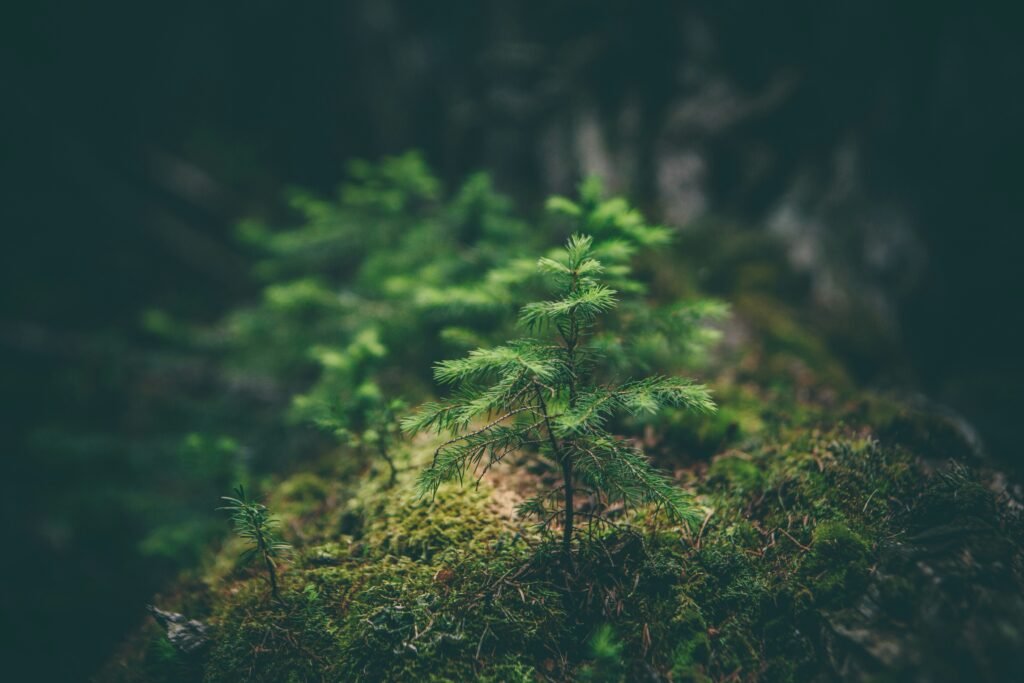
As a human being, our relationship with nature keeps changing according to the developmental changes that occur in the natural environment. In the early years of human history, the relationship between man and nature was very strong and deeply connected. Because man at that time respected nature’s cycle and its resources.
However with the development in human society and civilization, the relationship between man and nature has shifted. For example, the advancements in industry and technology made you detached with nature and man had stated to be less reliant on nature.
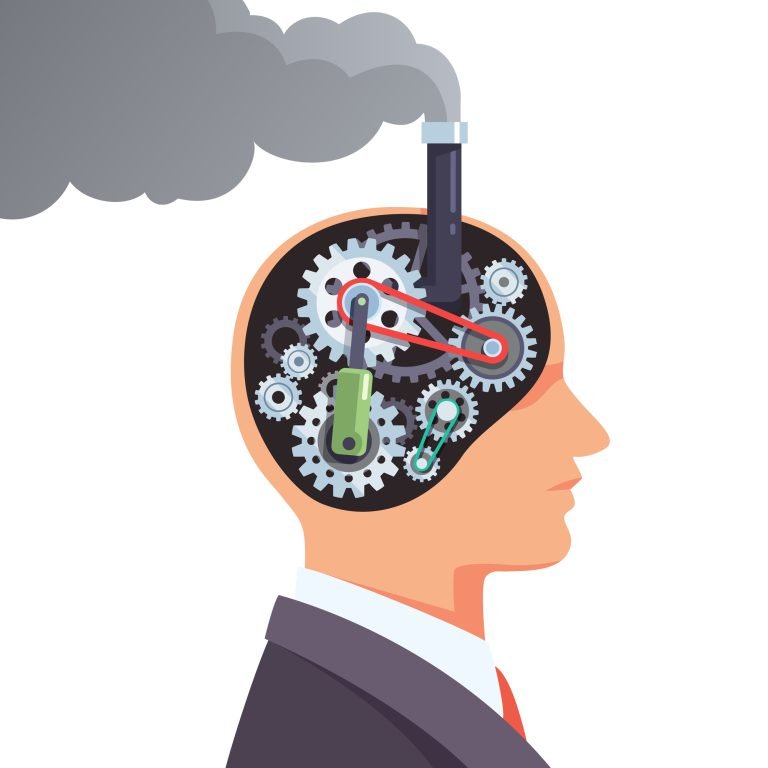
In addition, this weakening of relationship gave rise to many concerns about the health of our planet along with its natural resources. In recent eras, scientists and naturalists have started to pay attention to the impacts that are continuously affecting our mental health and overall well-being. The experts have declared that the modern lifestyle has created a disconnection between man and nature while connecting with nature is actually beneficial for both our physical and mental health.
This concept finally establishes a nature-based approach for gaining physical and mental well-being on this planet. The concept is known as Ecotherapy.
What is Ecotherapy?
A nature-based approach to therapy is called ecotherapy that is usually called nature therapy or green therapy.
Humans are the natural part of the ecosystem. Therefore, they are closely connected to and affected by the ecosystem and its different factors or elements. Ecotherapy actually involves a series of nature-based activities that help promote your physical, mental and spiritual well-being. There’s no limitation of placement to benefit from this therapy. Whether it is a rural or urban area, you can benefit from ecotherapy just by making a close bonding with your surroundings or spending time with nature.
When you talk about types of ecotherapy, you may learn about animal-assisted therapy, wilderness therapy,horticulture therapy and wilderness therapy. These activities under the umbrella of ecotherapy allow you to regain the connection with nature that had been lost. The connection regained created a sense of tranquility and peace.
In short, research has claimed that the simple elements of nature like sound, dsight ireven s,ell cn help reduce anxiety and stress along with promoting your cognitive function, attention and mood as well.
Moreover, ecotherapy activities provide you effective opportunities to make social connections and physical movements which are beneficial for your mental and physical health. So, if you are struggling with some issues of physical heart like isolation or any mental health issue like anxiety disorders, depression or panic attacks, attention deficit hyperactivity (ADHD) or post-traumatic stress disorder (PTSD), ecotherapy is the most effective solution for your problems.
The most beneficial aspect of ecotherapy is, it is not restricted to a specific age, sex or group of people, it can be enjoyed by anyone, from children to adults of any age.
Although scientific research has not provided much evidence that can support its effects on mental health like other therapies, you still feel improvements in your veal well-being after spending a couple of hours in the company of nature.
Evidence shows that people who sense more time in mature experience improved moods and promoted calmness and relaxation. Therefore, ecotherapy is the proof of strong connection between man and its natural environment. So, it is proven that spending time outdoors can have a positive hit on your physical and mental health.
What are the Different Types of Ecotherapy?
A collection of some loosely structured activities like hiking or walking or spending time around a green view is known as Ecotherapy. There are also several further approaches that may be guided by a professional therapist.
Some of these include:
Animal-Assisted Therapy: Spending time with animals while playing, tapping and working with them outdoors usually help reduce anxiety and manage panic disorders.
Community Gardening or Farming: Gardening or faring with your friend, beloved family member or neighbor is the most effective way to manage stress. The activity is also good for building relationships with community memes, spending time working outdoors and growing your own office. Ecotherapy therapists also offer site programs that teach you basic farming tasks like growing crops or tending animals.
First Bathing: Treading through tree-heavy settings helps to promote the mindful use of your five senses that ultimately improves your mood.
Park Prescriptions: Therapists often recommend that people who experience stress, anxiety or panic disorders should spend a specific amount of time each week by visiting a park or engaging themselves in outdoor activities. The trend of treating mental health disorders by spending time outdoor activities is becoming more popular day by day because it is the easiest and sweetest way to get rid of your worries.
Wilderness Therapy: If you have issues with your coping skills and therapeutic abilities, you need wilderness therapy. It attributes your coping abilities while you remain busy in hiking and camping in the wilderness with peers.
Yoga and Outdoor Meditation: Both activities are popular for their beneficial impacts on methane and physical health. But they might operate more effectively with white perfume outside.
The main objective of different ecotherapy practices is to build a two-way relationship between man and nature so that both of them can give to and take from each other. The mutualism between the two makes a well balanced relation that benefits both. For example, as a good creature of nature, you can plant trees or pick litter to purify your surrounding environment. The giving back relationship helps with managing anxiety related concerns like natural disasters, degradation, environmental and climate change.
Other ways to improve the mutualistic relation include limiting driving, recycling of things, reduction in carbon footprints and composting.
Beneficial Impacts of Ecotherapy
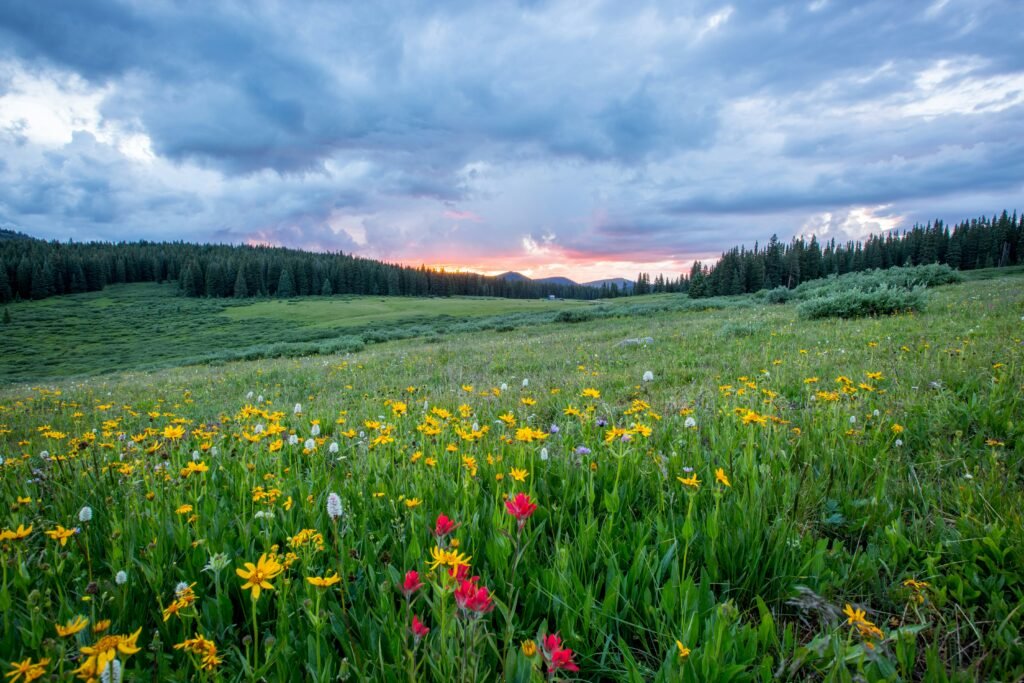
The most important aspect of ecotherapy is its easy approach. The therapy is not only inexpensive but it is also available easily. You can have access to nature through this process which further leads to improved mental health.
More benefits associated with ecotherapy include:
More Opportunities for Social Connection
Although ecotherapy is not a formal therapy option, it often takes care in group settings outside.
Community gardening often helps in:
- Acquainting you with new people.
- Increasing feelings of community solidarity.
- Reducing loneliness.
People who like to spend time with nature often prioritize group walks and hiking. Meet up sites also help you fund other people who are interested in similar nature activities as ecotherapy practices.
Motivation to Exercise
Ecotherapy practices play a great role in making you get out of the house and move around. For example, gardening at start feels like a simple non strenuous activity but after some time you find it an activity that involves plenty of movements which leads to strenuous exercise movements.
Where exercise helps improve your sleep quality, mood, physical and mental health.
In addition, spending an hour or more in sunshine daily also helps lower risk anxiety and depression. Returning something good to nature as reward also impacts your mental health positively. So try to go jogging or walking.
Increased Mindfulness
Nature boosts your senses. This means when you spend time in a natural environment, your senses work more precisely. You experience the environmental elements and changes more clearly. For example, if you’re in a sad mood due to some stressors and sit sometimes in a natural environment, the rustling of measles, chirping of birds or calming sound of flowing water helps you forget the worries and detach you from stressors that are ruining your mental health. Focusing on the scenery around you also contributes to making you focus on the present instead of cycling through worrisome thoughts. These practices help you develop mindfulness habits.
Other Benefits
Here are more evidence that suggest close bonding between nature therapy and your mental health, such as:
Coping with Post-Traumatic Stress Disorder (PTSD): Studies show that nature therapy helps manage symptoms of PTSD, especially when other stress managing therapies or trauma-focused treatments don’t work.
Improved Well-Being: Studies also emphasized that gardening at home also helps promote emotional well-being. A 2019 research had concluded that ecotherapy helps improve your mood by increasing calmness and feelings of belonging leading to a deeper understanding of your mental health.
Nervous System Recovery: your body’s stress response is handheld by your autonomic nervous system including your heart beat and breathing rate. It controls your stress by increasing the heart rate and rate of sweating in stressful situations. But nature helps sooth this system.
Resilience: According to several studies, people who live in rural areas have higher levels of self-worth,improved-thinking abilities and concentration that help them become more resilient to stress. The outdoor activities may also improve creativity and strengthen their self-worth.
All these findings support the idea that ecotherapy is a helpful treatment option for many mental health related conditions like anxiety, stress and depression.
The Most Effective Ecotherapy Techniques
Ecotherapy cannot be tried on your own. You need guidance from a trained professional therapist. Although they are hard to try, adopting these behaviors and trying these strategies can help you keep yourself closer to nature. Nature-based wellness is a great thing that heals your inner and outer traumas.
However, whenever you go outdoors to spend time with nature, keep these safety points in your mind.
- Wear sunscreen on your face, hands and feet, especially if you’re going to spend more time in direct sunlight.
- Stay only on marked paths.
- Bring a map and cell phone with you.
- Infirm your close ones that you’re going outside.
- Read the weather forecast and check trail warnings before going outside.
After confirming all these precautionary measures, get ready to try some category techniques.
Some of these are jotted below:
Start an Informal Trash Pickup
Keep yourself busy while going outside to spend some time with nature as an ecotherapy technique. For this, bring a trash bag and rubber gloves with you so that you may collect litter in your nearby neighborhood. This practice not only helps you be outside but also provides an opportunity to your surroundings. Some like-minded neighbors may join you and you get an interesting company of new friends.
Get Digging
Are you wondering how digging can be an ecotherapy technique?
Let’s learn about it!
Soil has a healthy bacterium known as Mycobacterium vaccae. This bacterium tends to make serotonin release in your body when you come in contact with soil. Serotonin hormone is characterized with happiness and positive mood changes. When you dog the sol, you use your senses to experience every ingredient of nature in the garden, such as:
- You try to feel the texture of soil by touching it with your hands.
- You feel a boost in your emotions when you see your plans are growing.
- You breathe in fresh air to enjoy the scent of soil and blooming flowers.
So working in a garden is the best way to come close to maturity.
Explore Nature’s Darker Side
Nighttime walks, stargazing and moonlit hiking are the examples of dark nature activities. The dark nature activities also offer many health benefits similar to day time ecotherapy techniques. They induce feelings of relaxation and calm in you.
Take Your Regular Activities Outside
It is a common problem that people often do not have abundant time to dedicate to natural pursuits. They find it tough to spend more time in outdoor activities. But this is not a big deal.
You can still incorporate nature or ecotherapy into your regular schedule. This needs to be brought to regular activities outside the house. For example:
- If you’re fond of reading or painting, go outside, find a peaceful place to read or paint.
- If you workout at the gym or at home in a regular routine, try to ride a bicycle or walk song trails for a few days.
- Go for a picnic at a place full of natural beauty and practice mindfulness practices there.
Conclusion
Nature is not a miracle cure, but it can help you heal mentally and physically. Scientific researchers are still trying to fund evidence to prove ecotherapy is beneficial for mental health.
Although there’s a shortage of evidence, it is true that nature has good impacts on your body and mind.
So, if you want to be healed by nature, try some ecotherapy techniques including eating natural gods, enjoying your hobbies, engaging yourself in physical activities and taking your regular activities outside.
In addition, guided ecotherapy is also available in the form of qualified therapists who can help you learn how ecotherapy can help you heal.