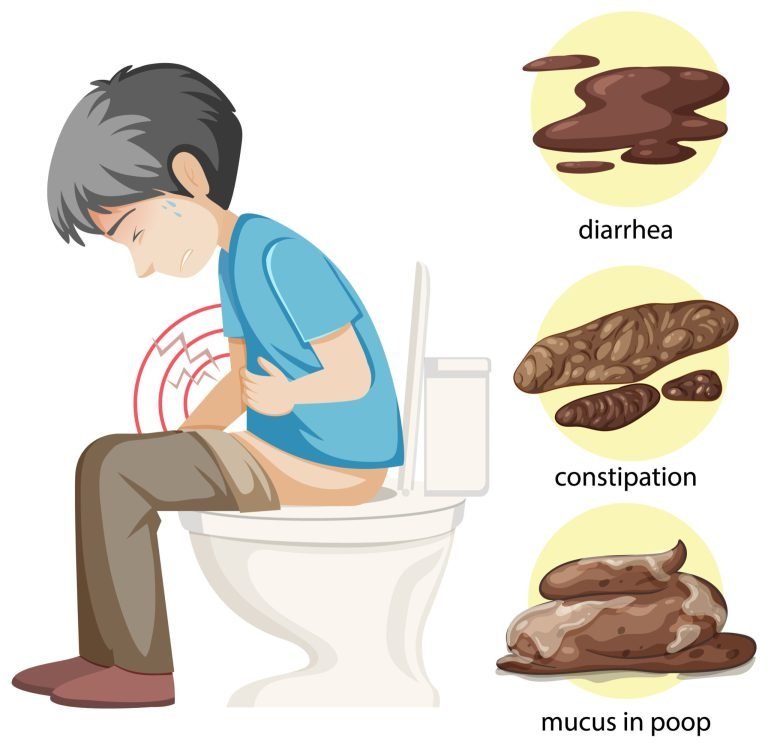


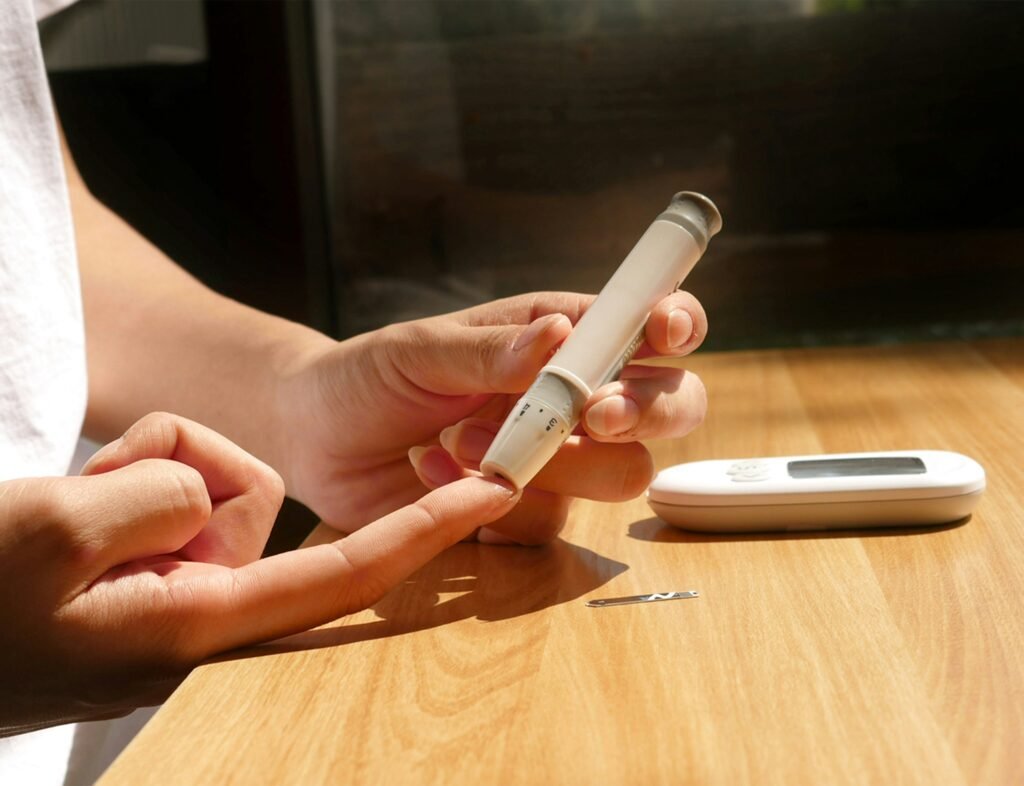
People with diabetes often are hit with diabetes stress and burnout. These people have to work so hard to maintain their physical as well as mental health. Regular stresses of life make them struggle to perform all the life activities according to normal routine. This life struggle is real and too common for the people living with type 1 and 2 diabetes. The condition develops mental health problems in them including anxiety, depression, stress and burnout.
World Mental Health Day is celebrated on 10th of October every year. The experts and metal healthcare providers suggest at this day to keep an eye on the stressors that trigger diabetes stress and burnout in people.
If you’re a victim of diabetes, you must be aware that it’s normal to ask for help, feeling tired, feeling overwhelmed or fed up. However, to manage this condition, it is necessary to differentiate between anxiety, distress, clinical depression and burnout. You also should learn where to turn for tailored support.
Research shows that honest self-assessment and tips and tools for addressing mental health problems can help you figure out what factors or stressors trigger your diabetes stress or burnout. These resources also are effective for providing support to the person who is living with diabetes and their family members and friends.
What is the Link between Diabetes and Depression?
Many mental health organizations are working to know about the emotional and mental health links of diabetes. Many researchers have claimed through their findings that diabetes has a great impact on your psycho-social life. A vast network of mental health researchers and professionals had been working to find out the ways to purchase one-on-one support to the people with type 1 and 2 diabetes. They are also trying to fund some sources to cope with diabetes stress and burnout to build resilience. They are making videos and uploading them on social media platforms to discuss mental health association with diabetes openly and frankly.
A researcher said that people having diabetes experience stress and also get brushed with burnout at some point. But it is a matter of luck that you would find several ways to build your strength. Many things help you move forward. These steps may help you find some hope, purposefulness and positivity in negative situations. That;s the way you can pull yourself out of burnout and stressful situations.
What is Distress and Depression?
People often take both distress and depression in the same meaning but the truth is that they are greasily different from each other.
Here is a detailed explanation that may help you learn how clinical distress is totally different from depression.
According to research:
Stress is a thing that is linked with your daily life. Many things and events in your everyday life cause stress or depression. Some of those are related to diabetes and some aren’t. However, when they are not related to diabetes, diabetes still plays a role to make them more challenging and stressful.
On the other hand, the diabetes distress is a range of emotional responses to your severe health conditions. These symptoms include chronic illnesses and overwhelming burdens that make you anxious, afraid or irritating.
Research also have suggested that:
Depression is a medical condition that can be diagnosed clinically.
Depression is a different thing but many people having diabetes experience both simultaneously. The best ways to manage diabetes stress and burnout are self-management and avoiding the triggers.
Another study had found that depression and diabetes distress have similar symptoms that respond to medications that were especially designed to combat depression. Because you feel everything is overwhelming and awful.
Role of Self-Reflection and Screening
Honest analysis and self-assessment make you able to tackle a deep look into yourself. Through this method, you can ask yourself, “how am I feeling?” You can also ask yourself if you’re having a sad time of your life these days. When you evaluate yourself , you become willing to take action against the sadness and stress caused by diabetes. So, it is better to talk to your healthcare order or with someone who’s our well-wisher to make a secure plan for managing the diabetes stress and burnout.
Screening for both diabetes distress and depression is the best tool to evaluate your mental health. This would become part of your overall care if you have diabetes. But these diagnostic assessments can be done only by professional mental healthcare providers. This is the reason, many people do not get the prompt and immediate screening after evaluation.
In addition, people often find it hard to discuss their pain and struggle with someone. They even feel hesitant to tell these feelings to their healthcare order or diabetes care team. It’s true that opening up sometimes is hard for buyers. It’s crucial to find proper support and guidance to fight against the condition. Many web-screening resources are available easily that can help you access the comfort, safety and privacy while sharing your discomfort due to diabetes stress and burnout.
For example, people often rely on these tools:
- Problem areas are diabetes (PAID).
- The diabetes distress scale (DDS).
- Online T1-DDS.
When you choose a website to talk openly about your mental height, they score your responses automatically and they help you receive visual feedback. This is different tool that only prefers following areas of diabetic people’s mental health:
- Hypoglycemia distress (concerns about severe hypoglycemic events).
- Eating distress (concerns about low thoughts of food and eating).
- Powerlessness (discouragement about disease progression).
- Management distress (disappointment with own self-care efforts).
- Negative social perceptions ( concerns about others negate opinions or judgments).
- Family and Friend distress (excessive pressure by family members and friends).
- Physician distress (disappointment with healthcare provided).
The above discussion forces you to agree that there should be no shame or hesitation to talk about your emotional well-being and mental health around life with diabetes.
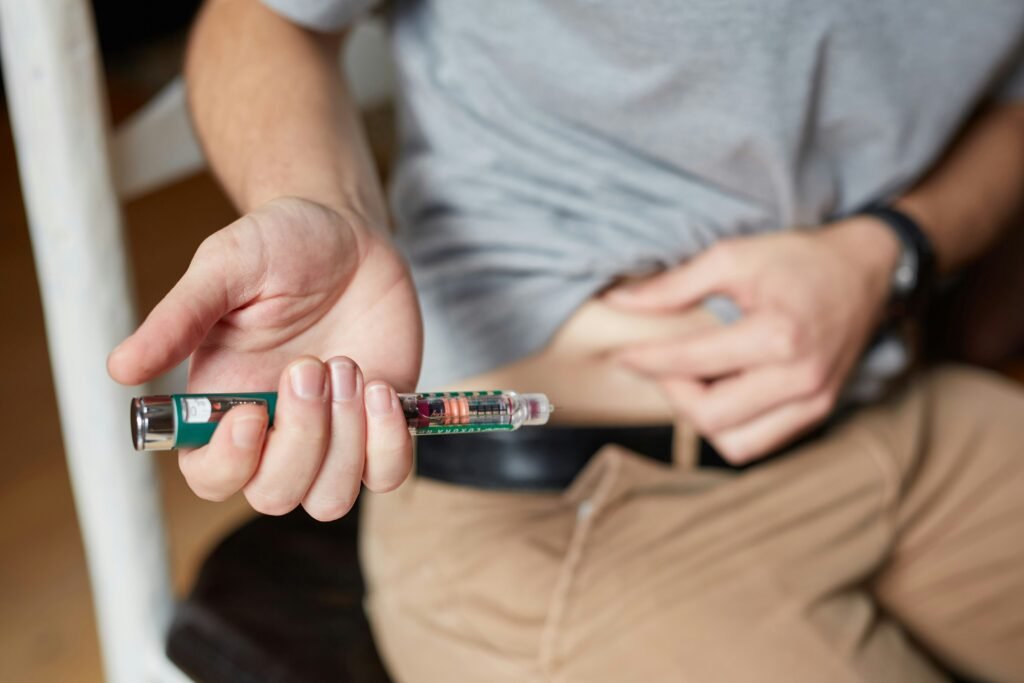
You may find it easy to have a conversation with yourself but it is not very useful until you take that conversation into a safe space like a healthcare order. They provide you strength to do something against the disease. They make you enthusiastic to show willingness to action.
Understand and Develop Resilience
Type 1 diabetes creates tough problems for you but it also makes you hard enough to gain the power to meet your goals. Your first and foremost responsibility is to stay on top of your numbers. You also need to maintain your rank at first position in meals. You have to be strong enough to become honest with yourself and collect the courage to get the mental health care you deserve. You also should be willing to be vulnerable. In your dark times, when you experience several mental health issues including diabetes, stress and burnout, it’s necessary to be vulnerable.
You may make plans to move forward everyday and try to find the lost joy that can make you express our gratitude but it may not work. It can work only when you become vulnerable and gather courage to go through the emotional hard stuff that makes you realize how brave you are.
According to studies, using the strategies that may work for you to achieve resilience is the best way to become strong. Resilience is not a shell that you can make and enter it, you have to die first to achieve it. It’s actually an achievement that is linked with positive outcomes that you have earned during passing through adverse risk situations.
It is true no one can predict the arrival of type 1 diabetes bombs,but you can just learn to manage its disasters.
How to Use Your Strengths and Abilities?
Everyone in the universe is unique for their capabilities, skills and strengths. Resilience is the effective way to lessen the mental health impacts of diabetes. It is necessary to develop lasting resilience so that you may use it when you need it while fighting against diabetes stress and burnout.
Resilience is very helpful for you especially if you are engaged in a work where organizing the things or numbers is necessary. For example, people doing organizing tasks in companies such as making and managing spreadsheets or other things of this kind, you can use it to manage numbers by keeping your insurance on the top.
But if you are one of those who have an amazing sense of humor and can find little things to laugh about, try to use it.
Studies suggest that stress of duvets is a real thing. Therefore, looking for things that can make you laugh about it and lighten the intensity of it can surely help you cope with the burnout linked to diabetes.
You can try the following to check what thing is enjoyable for yo:
What do I enjoy doing?
How can I use my inner strength and resilience to manage the challenge of diabetes?
What do I do well?
These questions help you find out the truth about your personality. You may know well about yourself. You may figure out who you are and what type of abilities you have. You also may learn how to use your strengths to defeat stress causing diabetes.
In addition, trying to be someone other than who you naturally are, is a bad practice. It weakens your resilience and makes you lose your power to reduce risk of developing depression and burnout. Try to spend more time learning skills like being a master in managing spreadsheets.
How Language Helps Improve Your Mental Health in Diabetes?
Have you heard the proverb, “words carry weight”. This is true because in diabetes, language also matters a lot. The thing is to learn how language plays a part in your thinking about diabetes and affect your sense of accomplishment and worth.
According to data gathered through wider research, experts claimed that kids and teens are greatly affected by family conflicts. In the same way they are affected by the talks they hear in their home. They become aware and conscious about diabetes and related mental health issues. Therefore, parents and elders who are suffering from diabetes should be careful while they are talking about mental health disasters caused by diabetes. They should keep it within themselves about how stressful diabetes is. This careful behavior may help your kids to find positive ways to move forward even if they develop diabetes in future.
It is a general responsibility of every citizen to make it normal to talk about diabetes without blaming yourself or others. Whether you’re a patient or a caregiver or a family member of a patient, you should talk about it openly so that others may understand the pain you’re experiencing due to diabetes, stress and burnout. Words are the best comforter. Therefore, prefer using comforting words to console the people who’re fighting against their fears.
Here are some tips for you containing “Do and Do not Things that can help you decide what type of behavior is required as caregiver for a diabetic person:
- Don’t Say: Your blood sugar is crossing the limit. You should take great care of yourself.
- Do say: It is really very difficult to maintain your blood sugar at optimum level. Let’s find out how I can help you.
- Don’t say: You’re going to develop serious complications due to your high blood sugar levels.
- Do Say: What can I do to support managing your increased blood sugar level so that you may meet your diabetes goals?
Conclusion
With the advancements in technology, the mental health stigmas are fading gradually. Now there are many opportunities and ways to get rid of disease and health conditions that were thought incurable in the past. Diabetes is one of these health conditions. People who experience this condition often complain about diabetes and burnout that is more dangerous than the disease itself. This depression triggers adverse effects on your mental health. Finding some reliable support groups or caregivers can help you get rid of this stress and burnout phase. Mental health counselors also can be key to success. But the provider you choose must be experienced and certified. You also can try some online resources to relieve the stressful conditions.