

People often confuse between the two, i.e. Dementia and Alzheimer’s disease. If you go into depth of their meaning, you will find that they are not the same but have some similar symptoms.
Dementia is a mental disorder that causes a great hurdle in performing the daily routine activities, affects your communication and speech abilities along with a gradual decline in memory and cognition.
Alzheimer’s disease is a type of dementia that is very common around the world. It also affects your memory, thinking ability and speech, when not treated over time.
Both dementia and Alzheimer’s affect all age groups ranging from younger children or teenagers to older ones. But the risk of disease increases as you age. Both diseases are common in people over 60, but experts will not consider it as a part of aging. Dementia is of many types and all types have similar symptoms but these symptoms can be easily distinguished from Alzheimer’s disease.
What is Alzheimer’s Disease?
Alzheimer’s disease is a progressive disease that affects your brain’s functioning. It is the most common type of conditions that contributes to decline in cognitive function and impairment in memory.
Experts and neurologists are still trying to find out the exact cause of the duress but all in vain. There is no cure available for Alzheimer’s. It is also acclaimed by the researchers that many people get Alzheimer’s disease at their young age but the symptoms start appearing after age 60.
How the Brain is Affected by Alzheimer’s Disease?
Many researchers have agreed to a point after many years of research on Alzheimer’s,its causes and effects that Alzheimer’s disease is linked with the death of brain cells. Brain cells start dying suddenly leading to interruption in connection between brain cells that ultimately get broken down. The major symptom that makes it sure that a person has Alzheimer’s disease is denoted as the abnormal protein deposits in organs, known as tangles and plaques.
The tangents are specific types of protein that coil with others and leads to death of normal brain cells while plaques are massive structures of proteins that clock communication between brain nerve cells or neurons.
Although the changes in shape or size of brain density occur simultaneously, they sometimes take a duration of a decade or more. Before symptoms.
Alzheimer’s complete diagnosis is not possible, especially in a live person. But experts sometimes make it possible to make a diagnosis with up to 90% correction. They do so by having a physical examination of the affected person based on symptoms and duration of symptoms appearance. They also diagnose by ruling out some other health condition while trying to diagnose Alzheimer’s disease.
The complete and correct diagnosis of Alzheimer’s is only possible after examining the brain through a microscope. In an alive person, you cannot do this. Therefore, the attempt is made during an autopsy but most people do not have an autopsy even after death.
What is Dementia?
Dementia is becoming a common mental health disorder day by day.
According to a report submitted by the World health organization in 2025, around 65 million people are living with dementia around the world and in the USA, Every 7 out of 10 have been diagnosed with dementia.
Dementia has been declared as a syndrome. A syndrome is a group of several symptoms that occur together and also have overlapped underlying causes. Therefore, the exports concluded that many diseases cause dementia. The disease harms your mental cognitive function including reasoning and memory. Variety of health conditions contribute to causing dementia symptoms but the most common cause is Alzheimer’s disease.
Dementia is of many types and one can have more than one disease at a time. Therefore, recondition is known as mixed dementia. The common symptoms of mixed dementia can be recognized easily because they are a mixture of one or more types of dementia symptoms. It often happens that diagnostic tests, physical examination and symptoms make you sure that it is mixed Dementia but the exact confirmation is only possible after an autopsy.
The progressed form of dementia affects the ability to function to a greater extent. Therefore, old age often has disabilities that place a financial and emotional burden on caregivers and families.
In addition, studies also show that dementia is the fifth leading cause of death all over the world. The experts have claimed that over the next 20 years the number will be doubled.
Causes of Dementia
Increasing age is the major cause of dementia. It occurs when certain brain cells get damaged due to increase in age.
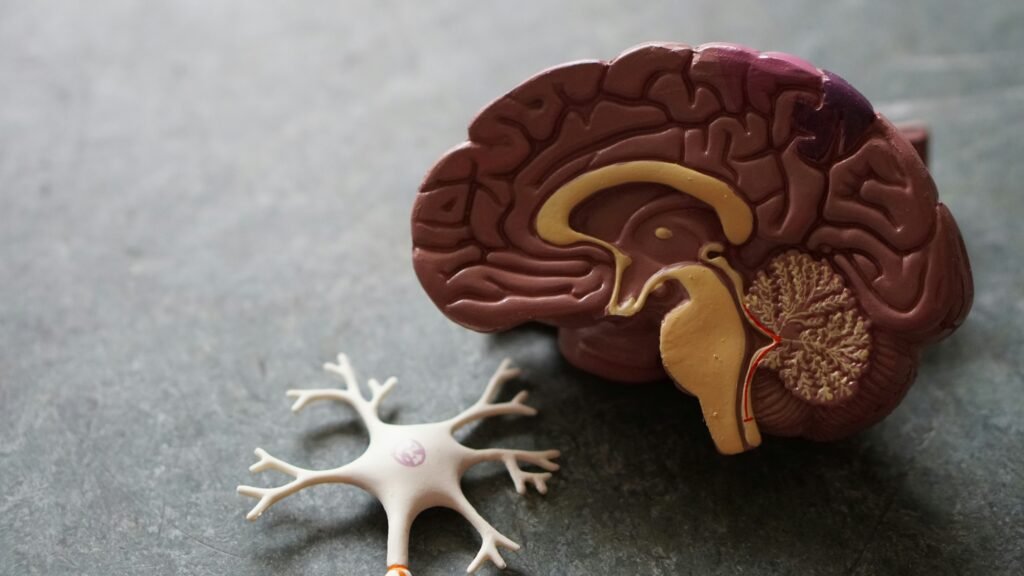
However, many other conditions also take part in causing dementia. These conditions include Parkinson’s disease, Alzheimer’s disease, Huntington’s and Degenerative diseases. No matter what is the causing factor, all of the causes actually damage a different set of brain cells.
However, studies have shown that 70-80% of cases of dementia are caused by Alzheimer’s disease.
Other causes include:
- Chronic drug use.
- Depression.
- Infections such as HIV.
- Stroke.
- Vascular disease.
Centers for Disease Control and Prevention had declared in 2023 that the risk factors for developing dementia in African Americans are double than non-Hispanic people while Hispanic people have 2.5 times more risk to develop dementia symptoms than non-Hispanic white people.
Symptoms of Dementia
dementia symptoms are categorized in three types, i.e:
| Early Symptoms | Progressive Symptoms | Advanced Symptoms |
| Occasional forgetfulness | Frequent forgetfulness | Unable to care for yourself |
| Losing track of time | More confusion | Trouble with time |
| Losing your way in familiar settings | Repetitive questioning and poor hygiene | Depression, aggression and difficulty remembering familiar people and places. |
Early symptoms are usually mild. Therefore you may overlook them. The common symptoms at the beginning are marked as forgetfulness. People experiencing dementia symptoms often have trouble keeping track of time and tend to lose their way in familiar things.
But as the duchess progresses, the confusion and forgetfulness also grows. People found it tough to recall the names of people and places. They feel difficulty in keeping them clean that becomes a hurdle in personal care. Other common symptoms are trouble with decision-making, repetition questioning and inadequate hygiene.
The severe condition of dementia is marked with the loss of ability to care for oneself. People start losing the ability to keep track of time and remember people. Their behavior keeps changing and they become aggressive and depressed.
Symptoms of Alzheimer’s vs. Dementia
The important symptoms of Alzheimer’s are also overall with many types of dementia, but some differences still exist.
All types of dementia cause:
- Impairment of communication skills.
- Declined thinking ability.
- Impaired memory.
While Alzheimer’s common symptoms include:
- Confusion.
- Depression.
- Difficulty remembering recent events or conversations.
- Difficulty speaking, swallowing and walking.
- Apathy.
- Behavioral changes.
- Disorientation.
- Impaired judgement.
These symptoms are found in many types of dementia but there are a number of symptoms that are specific to some specific types. They are not common in all types but they help make a differential diagnosis.
For example, dementia has a type, named as Lewy Body Dementia (LBD) that has almost all symptoms similar to Alzheimer’s. But the fact that makes you astonished is that people who have LBD also experience symptoms that are not found in other types of dementia Alzheimer’s including sleep disturbances, visual hallucinations and difficulties with balance.
However, people with Harrington’s or Parkinson’s disease also experience some involuntary movements in body organs at early stages of disease.
Types of Dementia
The most prevalent cause of dementia is Alzheimer;s disease, but some inter-potential causes also play a role in causing the dyes. Thereof, on the basis of cause, different types of dementia
Vascular Dementia
In this type, the blood vessels in your brain get damaged due to a disease that often causes strokes and builds up plaques in your arteries. The disease onset is slow and symptoms vary widely.
Dementia with Lewy Bodies
This type of dementia is caused by deposition of protein masses in your nerves. These deposits disrupt the electrical signals sent to and from your brain. This is known as a progressive disease that is symbolized with many symptoms such as changes in movement patterns, and changes in thinking and confusion.
Parkinson’s Disease Dementia
The decline in cognitive ability is remarked as Parkinson’s disease dementia. It develops in people with Parkinson’s disease even a year after its diagnosis.
Studies show that a large number of Parkinson’s disease patients eventually experience dementia. Most people with Parkinson’s disease experience dementia symptoms 10 years after diagnosis of Parkinson’s.
Frontotemporal Dementia
The part of your brain behind your ears and near your forehead experience a decline in brain function that is run by a group of conditions known as frontotemporal dementia. Its primary symptoms include behavioral changes.
Posterior Cortical Atrophy
In this condition, the outer layer of your brain known as cortex, located in the posterior part of your brain, deteriorates progressively. Its symptoms vary person to person but the most common include problems with visual tasks such as reading, writing or perceiving moving objects.
Creutzfeldt-Jacob Disease
It is the form of progressive dementia and also known as a rare infectious disease. It affects functioning of the brain and spreads rapidly round the world. Its initial symptoms appear as personality changes, vision problems and issues in muscle coordination.people with Creutzfeldt-disease usually cannot survive and most of them die within a year.
Huntington’s Disease
Breakdown of nerve cells in the brain causes Harrington’s disease. The major cause of the disease is an abnormal genetic mutation. Poor coordination, mood changes and psychosis are its common symptoms.
Mixed Dementia
Having more than one type of dementia at a time is called mixed dementia. Most cases of mixed dementia are found with a combination of Alzheimer’s disease with vascular dementia.
Normal Pressure Hydrocephalus
In this condition a fluid builds up in the ventricles of the brain leading to problems in bladder control, cognition and movement. The actual cause of disease is still unknown.
However, studies show that bleeding in the brain, infections, surgery of the brain and injuries play a crucial role in developing normal pressure hydrocephalus.
Treatment Options for Dementia and Alzheimer’s Disease
Alzheimer’s disease can be treated with the treatment methods used for other types of dementia but the dementia treatment depends on the exact cause of disease. If your doctor diagnoses the cause of dementia., your treatment will be effective.
Alzheimer’s Treatment
There’s no cure for Alzheimer’s disease. But humans manage the symptoms to some extent with these:
- Using medications for sleep problems.
- Using medications for depression.
- Using medications for behavioral changes.
- Using alternative remedies to boost your brain function.
- Using medications to reduce memory loss and cognitive decline.
Dementia Treatment
The first step to treat dementia is to treat the cause of dementia. Dementia symptoms can be managed easily if they are caused by:
- Metabolic disorders.
- Drugs.
- Hypoglycemia.
- Tumors.
The use of the right medication can help manage symptoms. Therefore many forms of disease are treatable. But in most cases dementia is not reversible. People with dementia also need support from home, family members and caregivers. As the disease progresses, the nursing home facility becomes necessary for them.
Conclusion
Alzheimer’s disease is a terminal illness and type of dementia while dementia is a gradual decline in cognitive function, reasoning and memory.
In Alzheimer’s the length of time disease progression varies for each stage. People of above age 60 are more likely to develop this condition. There’s no cure available for Alzheimer’s disease. However, some people survey with conditions more than twenty years old.
On the other hand, dementia symptoms can be managed in different ways. Its treatment directly depends on the cause. You can slow down the disease progression but it still shortens the life span of the patient. Some types of dementia are reversible but most types can be reversed and overtime they cause severe impairment.
If you’re or someone you love is connected to any of these two diseases, you need to make appointments with mental health care professionals as soon as possible. They can help you distinguish between dementia and Alzheimer’s disease and also suggest effective ways to stop the progression and manage the symptoms of the condition.