

Having acne on your body or face is a common skin problem. People between the ages of 14 to 30 often experience severe acne problems. However , acne outbreaks can occur at any age. Managing Severe Acne Problems is the need of every teenager and adult.
If you think that acne is like minor blemishes, you’re wrong. Because blemishes get cleared up in a matter of days, the acne doesn’t go away in a few days, they take longer.
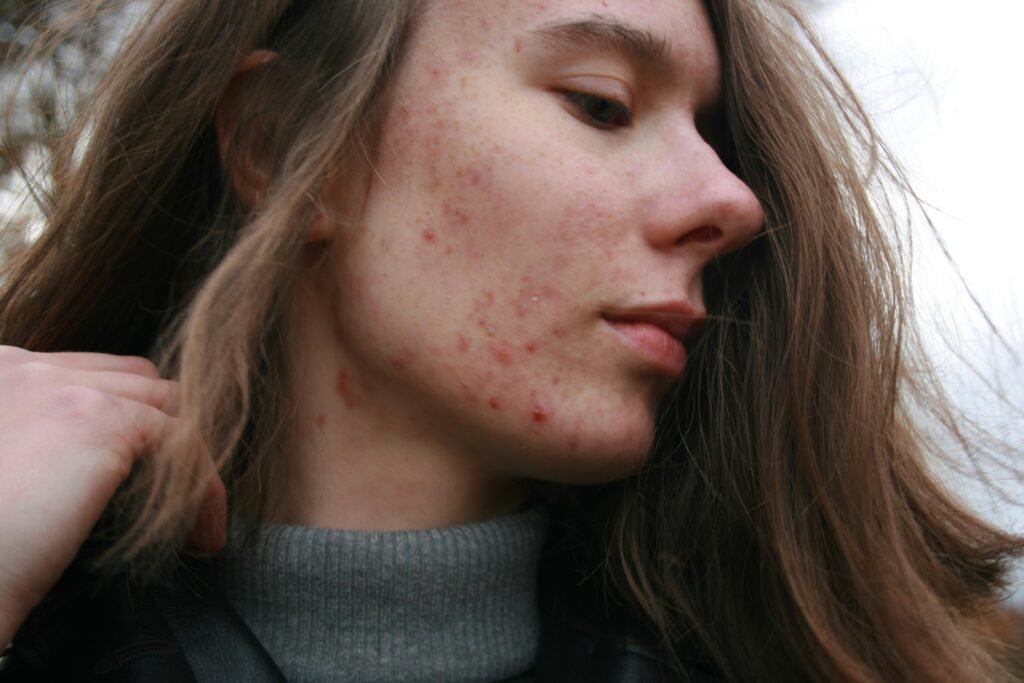
Studies claim that severe acne are the large cysts or inflamed nodules that cover a large area of your skin. In severe cases, acne turns into painful lesions that cause scarring and swelling.
What is Severe Acne?
Severe acne occurs in the form of numerous papules, pustules, nodules and cysts that continue to extend into your skin. The lesions continue to go deep into your skin like scars and cause abscesses and scarring. These skin problems impact your life quality and have potential effects on your psychological mindset.
Nodules
Acne pimples sometimes appear in the form of nodules that resemble deep inflammatory masses measuring more than 5 mm in diameter. They are usually located in the middle layer of your skin and are not always visible. They turn into painful lesions over time and cause redness in the skin surface. They often rupture spontaneously or keep gouging deeper into the inner layer of skin leading to increased inflammation that may cause permanent scarring.
Cysts
Cysts are also characterized as deep lesions. They are enveloped in rogue outer coverings that prevent internal fluid from draining. They are of different sizes and remain persistent for longer. They often appear on shoulders and back.
Scars
Severe acne often appears as scars that are categorized as atrophic (pitted) and hypertrophic raised). They are also found in another form that has thick and swollen membranes.
Atrophic scars have different forms, such as:
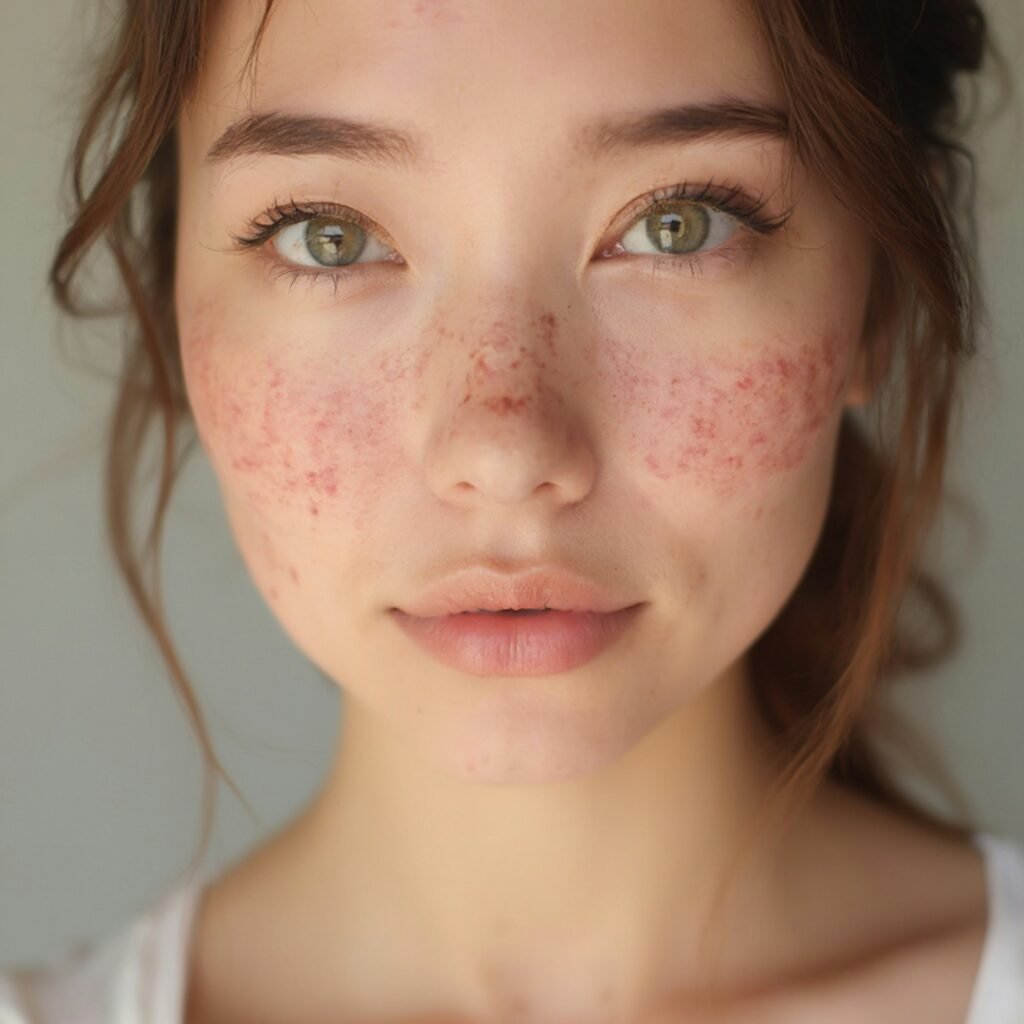
Boxcar Scars: These are oval or round shale acne with sharp defined borders.
Ice-Pick Scars: These are deep and narrow.
Rolling Scars: Acne with depressions and sloping edges.
Studies show that hypertrophic scars are usually raised in a firm, pink firm. They remain stock in the area of origin while keloid scars turn red or purple and grow beyond the original lesion. They also affect the torso. People with dark skin time often experience keloids.
No doubt, scarring is the most harmful aspect of acne but inflammatory lesions are also dangerous as they cause post-inflammatory hyper-pigmentation (appearance of dark patches on skin after inflammation). Especially in people with darker skin tones. While in lighter skin types they cause post-inflammatory redness like as Erythema.
Abscesses
When acne develops into a form of small pus pocket, it is called abscesses. It goes deeper into the inner layer of skin causing rupture of infected follicles. The infectious scars become more painful over time and and often need surgical drainage to reduce the pain.
This article has all necessary information about severe acne, its types, locations and treatment. So continue reading to learn what to do, and what not to do, when you have severe acne.
Why is cleaning your skin necessary?
Cleaning off skin is the best way to protect it from different skin problems and diseases. Following a proper skincare routine helps maintain your skin healthy.
The most common tips to follow a skincare routine include:
- Wash your face twice a day, especially after coming home.
- Use warm water and a less reactive soap for cleansing of your skin.
- Shaving can harm the epidermis of skin, so be gentle white shaving the skin.
- Sweating is the main cause of acne and pimples, so, it is necessary to wash your skin after sweating.
- Take a full body shower after a strenuous exercise. It helps remove excess oil, dead skin cells and sweat from your skin.
- Never go to bed without removing your makeup.
people , sometimes, get the wrong idea. This practice damages the healthy skin layer and makes the acne worse. Washing your skin in the morning and at night with a gentle soap is enough for skin health and protection.
In addition, avoid using abrasive scrubs as these are often manufactured with comedogenic products that enhance the risk of acne formation.
Avoid Too Much Sun Exposure
Some people find it good to spend time in the sun because it improves their severance. Too much sun exposure actually dries out your skin that helps remove acne. But some people experience more irritation even when they are exposed to a small amount of sunshine, especially those who have acne-prone skin.
In addition, some acne medications also make you more susceptible to harmful sun rays.
But if avoiding the sun is impossible for you, you can rely on the following precautions as they help you minimize the damage from sun’s radiations.
- Use an acne medication that also provides you protection from the sun.
- Use sunscreen whenever you go outside but always prefer the one prescribed by your dermatologist.
- If you have developed a risk of acne breakout at your chest or back, make sure your back and chest are covered when you go outside.
- Wear breathable and soft fabrics such as cotton.
- Keep vulnerable skin out of direct sunlight whenever possible.
Beside these suggestions, if you already have developed acne on your skin, apply lightweight, non-comedogenic sunscreen on acne lesions everyday. This may help you prevent hyper-pigmentation.
If you are experiencing severe acne, you need multiple topical medications, isotretinoin and antibiotics for further management and prevention.
Also Read: https://onlinehealthpoint.com/thyroid-eye-disease-graves-eye-disease/
Over-The-Counter Products for Acne Management
Severe acne can be treated with a variety of OTC medications. These medications are available in the form of soaps, wipes, creams and lotions.
However, selecting an OTC for skin care is not easy. You should have keep these points in your mind whenever you go to buy OTC products for severe acne:
- Always wash your skin before applying any OTC products.
- Improvement in acne problems is a slow process that takes much time that is more than your estimated time. So, it is best to be patient for having desired results.
- Use OTC medications for acne management that contain sulfur, salicylic but avoid, adapalene, benzoyl peroxide, and azelaic acid.
- Always focus on the instructions printed in the package of OTC products for better results.
- Check the package insert so that you may be aware of all side effects.
- If the pain gets increased day by day and no OTC product is helping you, stop using these medications and contact your dermatologist.
- Use Cold and Heat Therapy to Ease Pain of Severe Acne. Heat and cold therapy helps reduce swelling and redness caused by severe acne. It also helps lessen your pain.
In addition, you can also use ice in these ways to reduce swelling in acne:
- Wrap an ice cube in a towel.
- Hold it at the target place for 10 minutes.
- Repeat the procedure at least three times.
- Take a 10-minute break in between.
For applying a warm compress, follow these instructions:
- Take a clean washcloth and soak it in warm water.
- Hold the cloth in place for 10 minutes.
- Avoid making the washcloth too hot.
Repeat the process for at least three times per day until the pus is released from acne.
Contact a Dermatologist
It is true, acne can be treated OTC or basic home care but severe acne often does not respond to these treatment strategies. But this doesn’t mean that you are doing wrong with your skin. This partially means you need a dermatologist’s opinion and help. Contacting your dermatologist can provide you early protection against severe acne.
Dermatologists are skin specialist doctors who examine your skin type, acne type and suggest the best treatment pant with less or even no side effects.
You need a dermatologist when you feel:
- Your acne is getting more painful or worse.
- Your acne has started to scar you or leave dark spots on your skin.
- OTC products or other skincare medications are not working.
- Your acne is affecting your self-esteem and causing emotional distress.
- Your skin has started to appear to be infected.
Studies show that all types of acne, especially inflammatory acne leave dark spit on your skin. The spot looks like a scar or scratch. The spot takes time to go away.
Dermatologists or professional certified doctors usually recommend:
Antibiotics
Antibiotics always help decrease the number of bacteria on your skin. But experts have claimed that antibiotics also help lower inflammation that makes your skin clearer and reduces breakouts.
Doctors often use these antibiotic furnace treatment:
- Azithromycin.
- Doxycycin.
- Erythromycin.
- Minocyclin.
- Sulfamethoxazole- trimethoprim.
- Tetracyclin.
But keep it in your mind, if you use these antibiotics for severe acne, avoid using calcium products. Calcium products prevent tetracyclines from being absorbed in your skin. Doxycycline is considered best for providing protection against sun’s rays. It also helps reduce stomach ache. Minocycline causes stomach problems along with dizziness.
However, using antibiotics over time can harm your skin and cause resistance. Doctors also prescribe several topical medications to treat severe acne.
Retinoid Creams, Lotions and Gels
Retinoids are commonly used topics and creams. These medications are considered effective for preventing dead cells from clogging skin pores. That proves helpful in reducing outbreaks.
Several studies have suggested that these medications are good for reducing scarring and minimizing changes in skin pigmentation due to acne.
Always use a little quantity of retinoids for acne management. They have anti-inflammatory effects. Therefore, it is better to apply them every other night.
Steroid Injections
Diluted steroid injections are used to treat inflamed acne lesions. These injections are considered best for treating large spots. Their inflammatory actions reduce the size of acne within a few hours. Steroid injections are not effective for underlying causes that develop acne. Therefore, you cannot use this treatment for a longer duration.
Oral Contraceptives
Studies show that acne triggering underlying causes come forward due to hormonal imbalance. Oral contraceptives are used to control the levels of estrogen and androgens in your body. Their use is also associated with several side effects and potential risks like deep vein thrombosis, premenstrual migraines and blood clots.
If you use any of these treatments for severe acne, try to keep the following points in your mind for preventing additional risks and complications.
Avoid Harsh Scrubbing
Use only your hands for scrubbing your skin, avoid using a mesh sponge or washcloth for scrubbing. Using such materials can cause irritation in your skin.
Avoid using:
- Toners.
- Alcohol.
- Exfoliates.
- Abrasives.
- Fragrance.
- Astringents.
- Acne concealers.
- Oily or greasy ski products.
- Facial scrubs or facial masks.
Avoid Friction
Some devices of your daily use create friction or put pressure on sensitive skin near or on your face. Phones, helmets, straps and earbud cords are common examples of such things.
Reuse your pillowcase and facial masks after washing or wear disposable masks.
Be Aware of Miracle Treatments
Don’t use the products that claim extraordinary results. Consult with your doctor before using any product that makes you believe in miracle treatment. Even 100 percent natural corticosteroids can cause irritation in your acne and make them more painful.
Conclusion
Severe acne is a popular skin problem. Even more than half of the world population experience stubborn acne in their age between 15 to 30.
No doubt, acne on skin is a symptom but you can’t take it normal. You can manage this successfully. There are many treatment strategies that can clear your skin and lower the chances of permanent scarring or hyper-pigmentation.
You can try any of the mentioned treatment methods to treat severe acne but it is always good to consult your dermatologist before using a treatment plan for your acne. Even some of the over-the-counter medications can also help you reduce acne pain.