

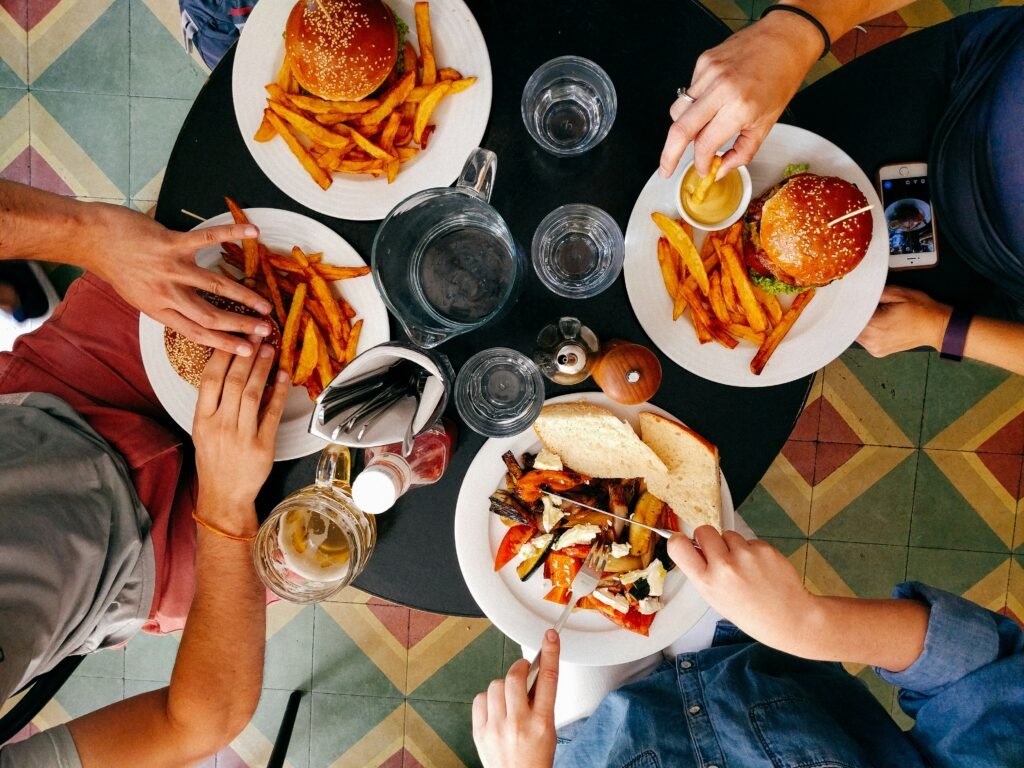
Overeating is eating beyond your stomach’s capacity. When you go to a buffet, potluck or holiday meal party and feel that your eyeballs are growing bigger than your stomach,you’re going to eat beyond what’s needed to fuel your body. But sometimes overeating becomes a pattern rather than an exception. So, if you want to stop overeating, the first step is to learn how much is truly too much? And if you have reached that point, what can you do to cut it back?
Many dietitians are agreed to the point that everyone does overeating at some point, sometimes it is intentional and other times it is unintentional. People know overeating has short-term symptoms like stomach discomfort and indigestion. But its long-term symptoms usually impact your health negatively which has severe consequences.
Therefore, it is very important to recognize whether you’re overeating, and if it is being done frequently, what steps can you take to stop overeating.
What are the Signs of Overeating?
When you focus on the question “am I overeating?” , you think that its answer is easy because you refer to overeating as calorie-continuing or macros counting.
But the matter is complex enough that you have to focus on it with more attention.
According to diet experts, every individual has a different number of calories that make them satisfied after eating. Similarly, people have different needs, health gains and health conditions. So, it is not easy to declare a specific number of calories that can satisfy everyone’s needs per meal. Determining your calorie intake is your personal task.
In addition, calorie counting never gives you a correct measure of whether you’re eating mindfully or whether you;’re stopping overeating. Overeating or stopping overeating are two most important components of your body’s nourishment pl;an that can also help you understand what is needed by your body.
So, the actual signs of overeating include:
- Eating for reasons other than to satisfy your hunger
- Eating beyond the point of being full.
- Experiencing physical symptoms after eating like bloating, gas, heartburn, nausea or abdominal discomfort.
- Finding yourself eating mindlessly because you’re stressed or bored.
These are some short-term signs of overeating but the long-term symptoms include:
- Prolonged digestive discomfort.
- Unwanted weight gain.
- Difficulty losing weight.
These particular indications help you think that this is the time to take action against overeating. Along with the noticeable signs,there are a lot of detrimental health impacts that you may not notice, but they will likely show up in your blood composition.
Unchecked and over the course of months to years overeating usually affects your cholesterol levels and blood sugar levels. The increased leeks if these two can’t put you at risk of developing many life-threatening diseases like heart disease or type 2 diabetes.
So, when you recognize these signs of overeating, get ready to take action to stop overeating.
Here are some recommended tips to stop it, you can try them.
Tips to Put an End to Overeating
First things first: keep in mind that overeating is not a binge eating disorder. It is a different thing. Binge eating often makes you feel out of control while overeating is directly linked with emotional eating. Sometimes, it is also due to the tasteful delicious meal and you keep eating because food is just tasty and you want to enjoy it more. So continuing to eat such food is just for pleasure.
However, when overheating becomes a problem for you and a star affecting your daily life activities and body functions, you must think to take steps to eat mindfully and stop overeating.
Studies show that mindful eating is the most effective way to enjoy the vibes your food is giving you. It is more about how you eat than what you eat. Experts say that the antidote to overeating is listening to your appetite and learning how to eat mindfully. That means it is more important to pay attention to how you eat without being distracted.
Focus on the following tips to stop overeating.
1. Tune into Your Emotions
As experts had suggested, emotional eating often ends in overeating. So it is essential to avoid emotional eating because it usually becomes more influential due to negative emotions like anger, stress, and sadness but sometimes it a;so occurs due to positive feelings of over happiness.
Therefore, the best way is to take a pause before eating a meal and ask yourself” am I eating due to some emotional invasions?” These types of questions help you prevent yourself from engaging in emotional eating.
2. Beware of Boredom
It is a common observation that people catch themselves eating just because they don’t have something to do. This is called boredom eating. The most intense trigger of emotional eating is boredom eating. People often find certain spots that they would like to stay while eating their favorite meals or snacks. The places may be a couch or a TV lounge.
Therefore,it is necessary to understand your trigger locations. Finding trigger locations help you understand when you are going to eat out of boredom. This strong point of mindfulness can help you become more aware of how much you’re eating and how to control the overeating.
In addition, walking around or changing your location can help you avoid falling into a boredom trap. Sometimes, drinking something cold can also help snap you out of boredom eating.
3. Grocery Shop with Intention
Your eating habits directly depend on what foods you have on hand. Therefore, having options is good because a variety of options enable you to satisfy every little craving you feel including a lunchtime smorgasbord or midnight snack.
You also can prefer online shopping and curbside pickup to reduce the overheating.
In addition, arranging your kitchen shelves strategically can also help you control your unwanted cravings. For example, placing healthy foods near the front of your kitchen shelf or refrigerator can help make you more mindful while looking for food especially in the time of emotional distress. Keeping junk, spicy, sweet and oily food items in your line of sight will make you eat them frequently.
4. Pay Attention to Portion Sizes

It is usually hard to recommend a perfect portion size especially when you’re dining at a restaurant. You may find it easy to finish all the food on the plate, especially at meal gatherings. So what to do?
The best tips to tune into portion size when you ate time or dine out include:
Name the Need: when you feel hunger or have an urge to eat, ask yourself what is the cause of this desire. Your answer for what you need right now can help you stop overeating because if you have the urge to eat something due to any emotional disaster, you can search other ways to get rid of the disaster whether it is a break, distraction or extreme happiness.
Plate Your Food: eating direct from a container usually affects your eating habit. When you start eating from a container or bowl, you keep eating mindlessly. So, it is good to put your food in a plate or bowl before eating. This food scene helps your brain process how much you need to eat or how much is enough to make you satisfied.
Plan in Advance: you can reduce impulse ordering by looking at the menu ahead of time. This will help stop overeating especially when you go out to eat.
In addition, whenever you eat at a restaurant or attend a family meal party, try to save part of your meal as leftovers. You can use it to fulfill your late night craving.
5. Pause before You Choose
When your eyes are bigger than your stomach, you start loading up your plate with a pile of food and then make a decision to eat all of this. For example, when you go for a buffet or potluck dinner, at first glance if food you jump with joy and start overloading yourself without a little mindfulness. This is overeating.
To stop overeating at such places, you should take a tour of the entire buffet and check out all the options before choosing. The second tour will help you make an accurate choice on what to eat or take smaller portions of everything so you can taste more and also avoid overeating.
6. Eat at Your Own Pace
You and everyone has the capacity to eat at a time. When it comes to food, you are surely influenced by the quantity, quality and time.
According to a 2011 study, the chewing time of people is usually similar even if they don’t know each other. This means chewing rate if people can be the same. But when you eat with others, the tendency makes it hard to curb the cravings.
In addition, making a real effort to eat slowly and stopping the effort to match the pace of people around you who are eating very fast, can help you avoid overeating.
One more thing to be kept in mind, your friends’ meals may not necessarily match your cravings or hunger level or nutritional goals. You have your own needs. Therefore, stop trying to follow their meal plans or preferences.
7. Sit Down
Being a social butterfly affects your eating habit. Because when you are busy socializing the whole night at a gathering, you take drinks one after the other and keep popping appetizers. These calories fill you up. Because you are eating in a very mindless way.
Therefore, when you are in a social setting,never forget to “always eat off your feet”. The best way to avoid overeating in social settings is to have food on your plate and sit down. This may help you focus on your food i.e. mindful eating.
8. Pay Attention to Your Procrastination
Restricting yourself from food is another reason for overeating. The result of a restricted diet comes in the form of overeating, when you start focusing on just food while ignoring your important tasks.
For example, when you have an increased urge to eat, you start losing motivation for doing a big task which has a deadline of a few days. You may start putting off doing laundry this week.
The only way to stop the craving or overeating that happens in such a situation is to permit yourself to take a break. You don’t need food to fill up your break gaps. You actually need a couple of hours for yourself that can make you cherished and full of energy. You should not try to make up for the leisure time deficiency by eating food mindlessly.
9. Maintain a Consistent Routine
Maintaining a consistent eating routine can help you stop overeating. Routine keeps your hunger hormones in balance. Two hunger horn lines “leptin” and “ghrelin” are released in your body naturally. Their concentration increases before taking meals and decreases after eating food. But some other factors such as hydration, stress, sleep and exercise also impact levels of these hormones.
Therefore, experts suggest that adopting some simple but positive lifestyle habits play a big role in reducing your tendency to overeat. You can reduce your hunger by:
- Drinking enough water throughout the day.
- Eating according to a consistent routine.
- Adding physical activity to maintain your body weight.
- Taking necessary steps to manage your stress.
Conclusion
If you want to minimize or stop overeating, you need to bring spoke changes to your dietary habits and lifestyle. It is not easy to reduce your tendency to eat. You cannot achieve your target without taking help from your healthcare provider. So, it is better to involve them for the best suggestions.
It causes obesity that often makes you ashamed and regretful. For some people overeating has become a cause of anxiety and depression.
Try to follow the suggestion of your doctor and go for practical solutions to address factors that lead to overeating. Your doctor also helps you assess to see if there’s any medical reason behind your overeating.