

Building simple eating habits and physical activity routines along with other microhabits like eating mindfully and choosing food according to your body’s needs can help you lose a considerable weight and also support sustaining it for longer without making big changes to your daily life. Therefore, experts emphasize adopting the microhabits for weight loss that are often framed as a complete lifestyle overhaul, such as major changes in daily life with intense workout plans and strict diets. But in reality, it is hard to incorporate these big shifts, especially if you have a tough and busy schedule everyday. Sometimes, motivation dips also act as a hurdle.
Here you can rely on microhabits for weight loss.
Microhabits for weight loss are some small steps that alter some of your lifestyle techniques and help build real progress over time. If you don’t have will power or strong motivation to do something hard for weight loss, these microhabits may help you create consistency in a manageable way that doesn’t disturb your life routine.
It is reality that there is a large number of people that are struggling with their weight loss efforts. They experience many hardships because they want to change things at once. But the reality is opposite. Long-term success always comes with slow and steady efforts. If you want to lose weight, you have to take an initiative to check your blood sugar levels and the choices you make to manage your hunger and cravings.
The article will help you walk through microhabits for weight loss that help you make healthier decisions, feel more in control, and eat balanced meals to achieve your goal. If you have a busty schedule these tiny habits are effective for you.
Here are some microhabits for weight loss that can support your weight loss journey.
Start Your Day with Protein Intake
The first simple shift that you need to achieve your weight loss goal is incorporating protein rich foods in your breakfast. This may influence your whole day because protein is a good source to stabilize your blood sugar level and keep you full longer that is also effective supporting weight loss goals and reducing mid-morning cravings.
Never make it complicated, just add:
- Cottage cheese with fruit.
- Greek yogurt with nuts and fruit.
- Toast with nut butter, oat meal or banana smoothie.
- Protein powder with a smoothie.
- Whole grain toast with scrambled or boiled eggs.
When you adopt this microhabits, you feel more satisfied and overtime syrup reaches quick but less nourishing food options.
Eat Protein-Rich Snack before Bed
Nighttime hunger is a major cause of weight gain. A small portion of rotten snack before bed can help you overcome those late night cravings and make a surprising difference for nighttime hunger that results in good sleep quality. This is because eating protein rich food near bed time keeps your blood sugar stable during sleep that lessens the chances of waking up hungry or feeling cravings for high-sugar food at night. You may achieve a steady glucose level through this habit that prevents late night snacking.
Add Veggies to Snacks
Vegetables are a great source of fiber and a few calories with a rich volume and crunch. Pairing some veggies to the snacks makes you more satisfied and full without eating a larger portion of the main item. It also helps fulfill your desire to chew something. Veggies give you sensory satisfaction without a calories load.
Add Veggies to One Meal a Day
If you don’t like to add veggies for every meal, start with one meal a day. This microhabits for weight loss can bring noticeable changes to your cravings and appetite.
Adding non-starchy veggies incorporate more fiber to your diet that help you stay full longer and feel satisfied faster. Once you succeed to build the habit of adding veggies to at least one meal, you may feel the treasure includes more vegetables to more than one meal a day.
Replace Sugary Drinks
Sugary drinks add a burst of calories that add up to your weight very quickly providing a sense of fullness. Replacing the surgery drinks with low-calorie options has a great impact on your overall nutrition. This doesn’t mean that every sugary should be eliminated immediately, you may start with a simple swap so that your taste buds adjust gradually. This trick also helps reduce energy crashes that usually occur after larger spikes in your blood sugar.
Drink Water before Meals
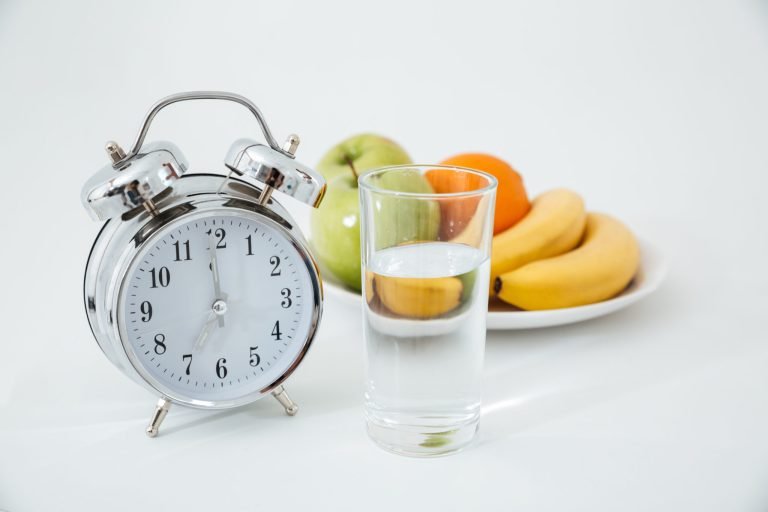
A very simple but most beneficial microhabits for weight loss is drinking water before meals. According to research, `consuming about 1-2 cups of water before every meal helps reduce daily calorie intake, around 180 calories per day and supports weight loss indirectly.
This is because water intake makes you feel full before you eat straight, making it easier to eat less without having a sense of restriction. It also lessens the likelihood of overeating and curb intense hunger as well.
This is the easiest microhabits for weight loss because you can implement it easily and don’t require any changes to your favorite food. Thus, this simple tiny habit creates a calorie deficit needed for weight loss.
Focus on Adding rather than Subtracting
People when starting weight loss programs, often focus on subtracting things or foods from their routine. This doesn’t work. Adding something beneficial to your eyes is actually an effective trick for weight loss. You can try adding:
- Nuts and seeds.
- A serving of veggies.
- Healthy fat.
- Some lean proteins.
- This simple shift helps you understand what can you include and what can be available.
Add in Movement Where You Can
If you think that a structured workout is necessary for weight loss programs, you’re wrong. Incorporating a simple movement into your daily router would be enough to bring change in your weight. For example, covering short distances by walking instead of using vehicles, choosing stairs instead of elevators and parking your car slightly farther away. These small microhabits for weight loss increase your overall daily movement which contributes a lot in energy balance and supports weight loss over time. You can turn your inactive moments into creative ones by doing some crunches at the places where people are not watching you. But if it is uneasy, you have to build movements into everyday tasks. For example,during your household activities, you can take a break of 5 – 1- minutes. During this break you can weed your garden that may help blood flowing in your body and calm your mind. It is also a great opportunity to spend time with nature.
These activities or short breaks help you ,provide more and also help replace your sedentary lifestyle. Movements make it easier to increase your overall energy expenditure without consuming extra time for specific exercise movements.
Take a Pause before Snacking
You may notice that you feel cravings for snacks in the hours of distress or when you feel tired or burdened. So, whenever you have a desire for snacking, tackle a pause and think about it. Look at yourself and ask why are you gouging for snacking? Is it due to hunger or are you depressed, sad or bored?
The pause must be just four 10 to 15 seconds. This practice enables you to become more intentional about your dietary choices. For example, when you’re hungry, you eat the stuff that makes you feel satisfied. But if you’re not hungry and just want to eat some snacks to deal with your depression or sadness, you shouldn’t eat and try different ways to address your feelings.
If you experience these feelings many times a day, try to get rid of this habit. Because making the habit sustainable will ruin your body weight and can cause obesity. You can try some simple tricks to ditch your cravings. For example, plan a treat for yourself during a month and every time you have a random and unnecessary desire to eat snacks, remember that you would have a lavish treat in a few days. This remembrance will help you stop unnecessary cravings.
In addition, you can also keep yourself satisfied by having something you enjoy, whether it is a daily dessert or a favorite snack. It can be added to your routine but in very small quantities. This may help make your eating habits feel more sustainable and predictable.
Keep Your Nutritional Options Visible
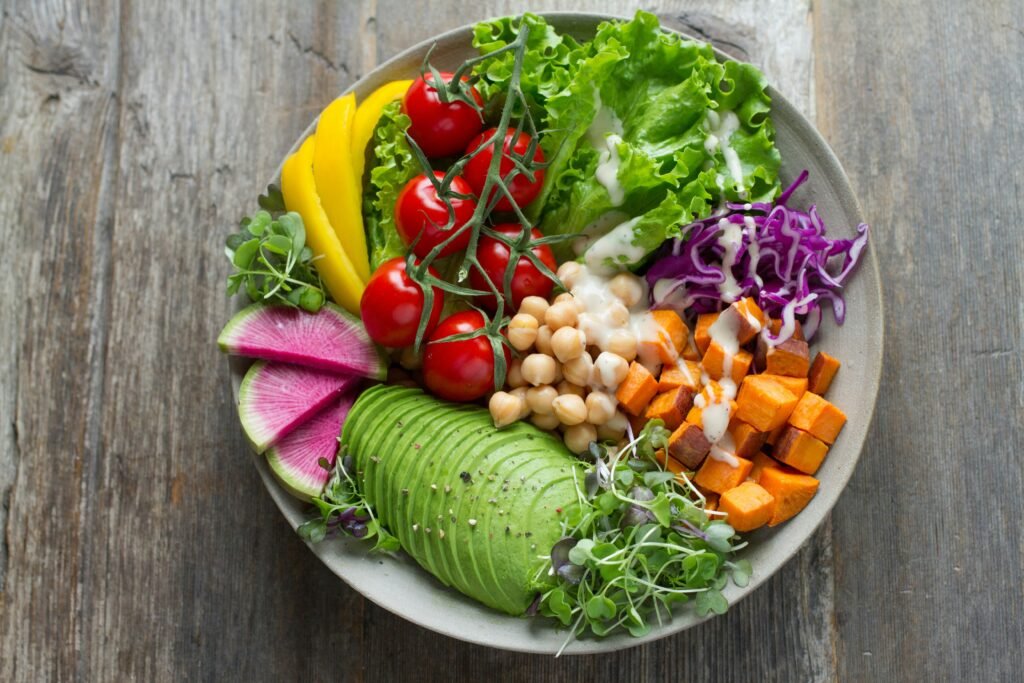
Your surroundings and the environment you’re living in contribute a lot in your weight loss management. Making your edibles like nuts, fruits and healthy snacks reachable and visible may help you maintain your weight at a moderate ratio.
Similarly, keeping unhealthy or less nutritional edibles or snacks out if your approach and making them invisible also help control your unnecessary cravings. So, it is good to keep them out of sight. This may also reduce automatic eating. Thus, microhabits are considered effective for making healthier dietary choices that can be approached easily.
Slow Down while Eating
The simplest microhabits that supports weight loss is keeping your speed slow while eating. Slower chewing and swallowing leads to less eating. Eating slowly means you do not eat abruptly. That helps make your body wheat lower and create greater feelings of fullness. But changes in calorie intake shouldn’t be immediate or sudden. Incorporate this habit to your daily routine slowly so that it may improve to respond to hunger and fullness cues, as well as reduce the emotional eating that is caused by your emotions or some eternal stimuli.
In short, this microhabit shifts your eating style from a reactive one to intentional one.
However, it is not necessary to overhaul your meals to adopt this habit. Start with small changes that can make a meaningful difference, including:
- Drinking water throughout the meal.
- Putting your fork down between bites.
- Taking a breath halfway through.
When you practice this microhabit over time, it helps to feel satisfied with less and makes it easier to maintain a calorie deficit without feeling restricted.
Take a 15 Minute Walk after Meals
Going for a short walk especially after meals is a very crucial microhabit that supports weight loss. When you take it practically, it is considered the most sustainable way to lose weight. Even just 15 minutes walking makes a great contribution.
According to research, walking after meals has been proven effective if reducing post-meal glucose spikes and lowering blood sugar levels. Researchers have suggested that short walks prove more effective than long walks that are done later.
As studies show that walking controls your blood sugar, it means that reduced blood sugar level leads to regulated appetite and reduced energy crashes. It also helps you avoid unnecessary snacking and overeating later in the day. But it doesn’t mean to add any additional activity to your set schedule. You can fit small movements to your already set everyday tasks, like:
- Doing household chores manually.
- Walking to the grocery store instead of using a vehicle.
- Running a quick errand.
People also add movements to their routine life by walking to their mailbox everyday. This is the best way to turn a simple task into an opportunity to move. Because they are flexible and free. Walking for your daily chores like to a mailbox or grocery store are more effective than a longer workout. These are the most realistic methods to support your weight loss, energy balance and overall metabolic health.
Conclusion
If you think that weight loss can be supported through making major changes to your diet and lifestyle, you’re wrong.
Some microhabits are actually the most effective source to support your weight loss journey. These habits offer an accurate path that leads towards a consistent moderate weight. You can focus on the consistency and intensity of these microhabits. Adding some small realistic movements to your routine life can help create a strong foundation that supports long-term weight management without burnout or calorie deficit.
The microhabits may seem less effective to start but overtime you can feel the big change that not only affects your body weight, also shifts your behaviors, helps you make healthy dietary choices and improves your relationship with movement and food.