

Have you ever heard about a food allergy? Many people around you or maybe you also have been affected by a certain type of food allergy. Food allergy is actually a condition when your immune system recognizes some food proteins as harmful allergens by mistake, the food allergies often lead to symptoms that range from mild to life-threatening. Swelling, itching, dizziness, fainting and even shortness of breath after eating a certain food are the symptoms of food allergy. Getting emergency medical care when experiencing such symptoms is necessary to save your or your loved one life.
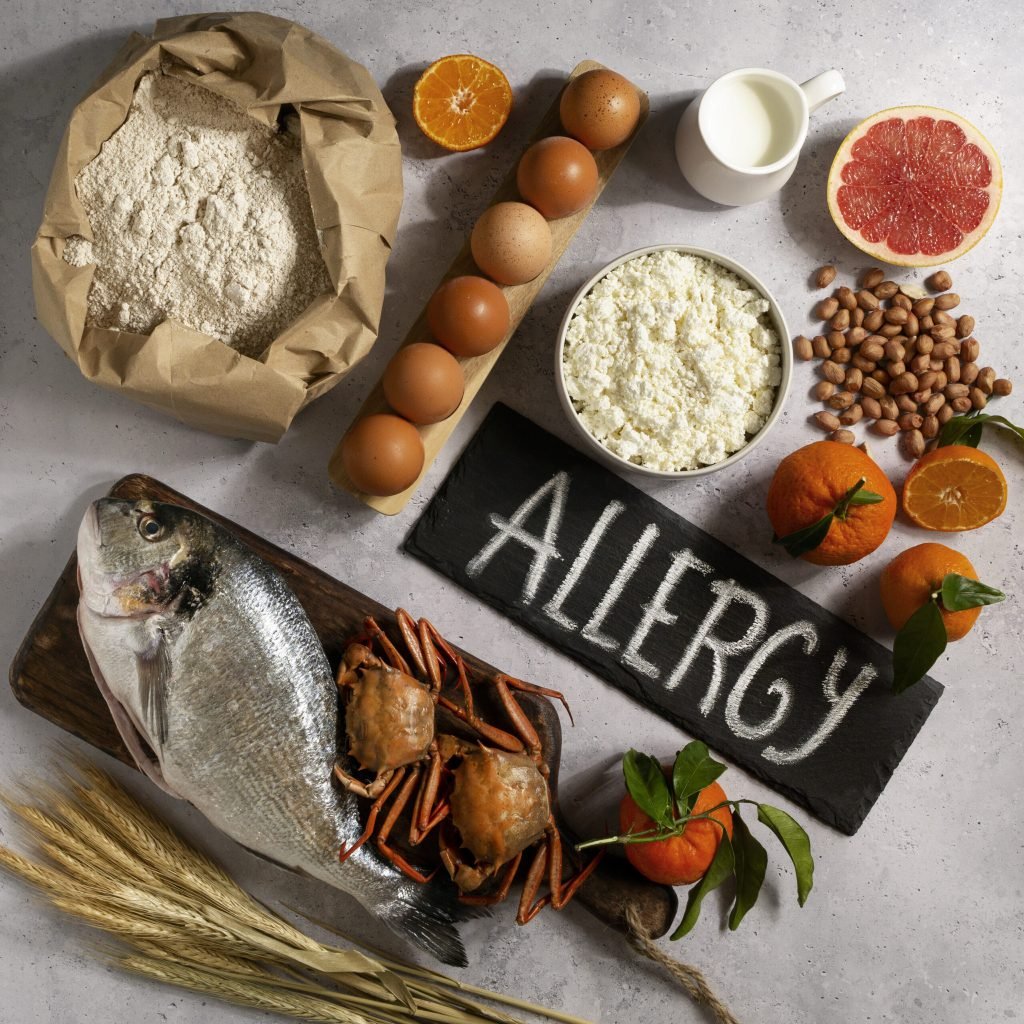
According to a report, 1 in 15 children around the county are experiencing different types of food allergies including milk, eggs, fish, soy, sesame, shellfish, wheat and peanut allergy. These nine foods cause 90% of food allergies. As a large number of people have been affected by food allergy, it is necessary to learn about the managing strategies of reactions that happen after food allergy. Avoiding the trigger is the best way to protect yourself from certain food allergies.
For accurate diagnosis, your healthcare provider can help you by recommending some tests or an epinephrine auto-injector.
also read: https://onlinehealthpoint.com/is-natural-wine-healthier-than-regular-wine/
What is Food Allergy?
When a specific food triggers the abnormal immune response in your body, it is called food allergy. Medical survey reports have mentioned clearly that around 40 million people in the country have food allergies. There are many foods that can cause allergy but these nine foods mentioned in this article account for 90% of food allergy reactions.
Let’s delve into the depth of the article to learn more about these allergy causing foods and the symptoms, causes and treatments of these food allergies.
Are all Allergic Reactions Emergency?
According to studies, the most life-threatening food allergy is Anaphylaxis that happens as a response to an allergen. However , experiencing the symptoms jotted below after eating a food is the significant sign of food allergy:
- Sudden dizziness.
- Wheezing, gasping or shortness of breath.
- Unconsciousness.
- Fainting.
- Sudden swelling of tongue, lips, throat or mouth.
- Sudden rash.
- Difficulty swallowing.
- Unresponsiveness.
- Rapid or very fast breathing.
Foods Causing Allergies
So, the common food that cause food allergy include:
Cow’s Milk
Cow’s Milk allergy is the most common allergy that affects children. Studies show 3-4% of children get affected by cow’s milk allergy, most of them are babies and toddlers. Children up to three years old have more risk to develop symptoms of the allergy but the adult cases with this allergy are rare. After drinking milk, the allergic reaction sometimes occurs within minutes and sometimes it takes hours to experience the symptoms of cow’s milk allergy.
You can protect yourself or your children from cow’s milk allergy only by avoiding the cow’s milk. Abstaining from the foods that contain cow’s milk also decreases the risk of developing the symptoms. The common foods contain cow’s milk include:
- Yogurt.
- Cream.
- Ice-cream.
- Milk powder.
- Cheese.
- Butter.
- Margarine.
Babies having cow’s milk allergy must given foods free from milk.
Eggs
The second most common allergy is egg allergy. Around 70% of children have egg allergy symptoms. The allergic reaction gets more risky up to the age of 15. However, sometimes people who are allergic to egg don’t have an allergy to yolk. They can eat yolk without any hesitation. Similarly, some people develop an allergic reaction to yolk and do not become allergic to white part of the egg.
Eating an egg-free diet is the best way to avoid egg allergy. However, in this case, you don’t need to restrict all egg-related duets. Because some studies suggested that 70% of children with egg allergy can eat foods containing eggs like muffins. This is because heating and cooking eggs changes the shape of the allergy-causing protein, which causes difficulty for your immune system to recognize them as allergens.
In addition, eating baked goods containing eggs are also good for children having egg allergy. But more research data is needed to confirm this information.
If you’re allergic to eggs, speak to your healthcare provider before eating a food that contains eggs because ingesting egg contrasting food when you’re allergic to egg can cause severe consequences.
Soy
Soybeans or soybeans containing food products cause soy allergens. Around .5% of children have soy allergy but the symptoms of this allergy is most commonly observed in infants and children under three years old. However, around 80% of children outgrow the allergy at the end. Its symptoms include breathing difficulties like asthma, tingly mouth, runny nose, and rash. Soy allergy even sometimes converted to anaphylaxis.
Soy milk or soy sauce are becoming food triggers for soy allergy. As soy is found in any food product, it is good to read the label carefully.
Soy allergy treatment includes the complete avoidance of soy and soy containing foods.
Shellfish
Certain families of shellfish like mollusk and crustacean cause shellfish allergy. Your immune system starts attacking the proteins found in these types of fish. Commission example of shellfish are:
- Squid.
- Lobsters.
- Scallops.
- Shrimp.
- Crayfish.
- Prawns.
Shellfish allergy takes a long time for treatment and even causes severe consequences. So, it is necessary to avoid all shellfish and shellfish vintage food so that you may protect yourself from this severe type of food alley. Even people develop shellfish allergy when they inhale the vapors from cooking shellfish. The vapors struggle. Therefore, healthcare providers usually advise to avoid being around the seafood where it’s being cooked.
Fish
A large number of children develop fish allergy in their childhood but half of the percentage report that he didn’t experience symptoms of fish allergy after their adulthood.
Clinical analytic reports have concluded that fish allergy has potential to cause serious allergic directions that are usually symbolized with diarrhea and vomiting that eventually ends in anaphylaxis.
However, people sometimes confuse fish allergy with a reaction that occurs due to eating contaminated fish. The bacteria, virus and toxins found in fish often make them harmful for your health that cause severe reactions. If you accidentally eat contaminated fish, the only treatment is to have an epinephrine auto-injector.
Sesame
This recognizes major food allergens in 2021. Research declared that children who had IgE-meditated allergy reactions have more risk to develop sesame allergy. They also tend to develop an allergy to tree nuts and peanuts. A wide range of foods like baked goods, dipping sauces and Asian cuisine contain sesame as an essential ingredient. A law was released by food authorities in 2023 to label sesame on all foods containing sesame in them. So that people who are allergic to sesame can check if the product is good for them or not.
Peanuts
Peanut allergy is a very common food allergy that even causes potentially fatal and life-threatening allergic reactions. You may confuse peanut allergy with legume allergy because the symptoms of both are similar to a large extent. But studies show that 50% of people having peanut allergy also become allergic to legumes.
According to a survey report, 7 million people are experiencing peanut allergy in the country. The allergy commonly affects people with age 18 years or younger. But it is also observed in the children below age 10. Some of them do not recognize the symptoms until their age. The actual cause of peanut allergy is not declared. However, research supports that the people with a family history with peanut allergy are at greater risk to develop the symptoms.
Its treatment options include avoiding peanuts and all pent-containing foods. But your healthcare provider may recommend certain immunotherapy medications like Palforzia for the treatment of peanut allergy.
Tree Nuts
Some seeds and nuts coming from trees also cause food allergies in certain people. This is another type of common food allergy that affects around 5% of people around the world.
Common examples of nuts causing tree nut allergy include:
- Pistachio.
- Pine nuts.
- Brazil nuts.
- Walnuts.
- Cashews.
- Almonds.
- Macadamia nuts.
You need all types of nuts even if you have an allergy to any one of them. You should avoid eating any food products containing these nuts like nut oils or nut butters. This because having an allergic reaction to one type of nut often eases developing allergic response to other types of tree nuts. Tree nut alleles are long-lasting impacts. But just 10% of people can outgrow it. Therefore, medical health officers strongly recommend to carry epinephrine auto-injector for those who have a free nut allergy. This device proves beneficial as you can use it to inject a shot of adrenaline when you have a severe allergic reaction. Epinephrine is also recognized as adrenaline. It not only helps reverse the effects of allergic reactions but also saves your life in critical condition.
Wheat
Wheat contains certain types of proteins. One of them causes allergic reactions in people. Wheat allergy is more common in children. However, most children outgrow it by the age of 12 years. Its common symptoms often resemble celiac disease and food intolerance.
However, in many cases wheat allergy appears as the immune-mediated response to one of the many proteins found in wheat. Whale celiac disease and non-celiac gluten sensitivity result as a normal reaction to gluten. Gluten is also found in wheat. Therefore, wheat allergy is categorized as a severe and fatal allergy. Celiac allergy is also considered fatal if not diagnosed carefully. So, it is good to avoid gluten completely.
In addition, if you have celiac or non-celiac gluten sensitivity , you should avoid wheat and other grains that contain protein gluten. But if you can tolerate gluten, you just need to avoid wheat but not the other grains that contain gluten.
also read: https://onlinehealthpoint.com/what-is-veganism-and-what-do-vegans-eat/
Other Allergy Causing Foods
9 most common allergy causing foods are mentioned above. But there’s a long list of foods that also cause allergic reactions but to a smaller extent. They include:
- Avocado.
- Banana.
- Aniseed.
- Celery.
- Chamomile.
- Garlic.
- Kiwi.
- Linseed.
- Mustard seeds.
- Peach.
- Passion fruit.
- Sesame seed.
These are less common food allergies that cause an array of symptoms like mild itching on skin or sometimes see reactions like anaphylaxis.
Diagnosis and Management of Food Allergies
Diagnosis of food allergy has been started by observing and studying your physical examination and medical; history. Then several diagnostic tests are carried out, including:
- Blood tests.
- Elimination diet.
- Inter-dermal test.
- Oral food challenges.
- Patch test.
- Skin prick test.
When you start experiencing food allergy symptoms, contact your healthcare provider. They may advise you how to manage it. They may also refer you to a certified nutritionist and dietitian to help manage the allergic reaction.
Is there any Way to Flush Out the Food Allergy?
Food allergy is the response of your body when your immune system recognizes certain good food as a harmful allergen. People usually develop an allergy from different foods like cow’s milk, wheat, tree nuts, peanuts, eggs, fish or shellfish.
Eating these foods cause some symptoms that help you recognize they are allergic to certain foods. The major symptoms appear when your skin immune system and digestive system are affected. So, its treatment is very important. Certain symptoms like shortness of breath or hyperventilation often become life-threatening.
There’s a great need for ways to flush out food allergies. But unfortunately, there’s no method to nip the evil in the bid. You just take an epinephrine auto-injector with you always when you experience sudden onset of food allergy symptoms. The device helps reverse the reaction to save your life.
Conclusion
When your immune system incorrectly identifies some food proteins as harmful pathogens, you develop an allergic reaction to that specific food. The food allergy often preys life-threatening because some symptoms like shortness of breath and difficulty in breathing can lead to end of life.
After experiencing food allergy symptoms, it becomes essential to speak with a professional healthcare provider. They may ask you to go through some tests to accurately diagnose the condition. If the results come positive, they further recommend you the tips to manage it. However, it is best to have the opinion of a registered dietician as they have accurate knowledge to manage the severe symptoms of food allergies.